I’ve always had a green thumb—whether it was sneaking seeds from my grandmother’s garden as a kid or turning my apartment balcony into a jungle of herbs and blooms. There’s nothing quite like the quiet joy of watching something grow from a tiny seed into something vibrant and alive. This site is my way of sharing the lessons I’ve learned along the way: the simple tricks that make gardening easier, the plants that thrive with minimal fuss, and the little moments that make the work worth it. If you’re just starting out or have been tending gardens for years, I hope you’ll find something here to inspire your next harvest.
💥 Quick Answer For a successful tomato garden in Vernon, NJ, plant seeds indoors by March 1 and transplant after the last frost—between April 15 and May 1 —while keeping soil temperatures above 60°F. Vernon’s hardiness…
💥 Quick Answer Tomatoes are to gardens what trees are to forests: foundational plants that define the ecosystem, provide structure, and support biodiversity through food, shade, and habitat for wildlife. Their…
💥 Quick Answer The Toronto Botanical Garden features stunning seasonal displays and hidden gems like the Medieval Garden , rare orchid collections, and the Scented Garden , all designed to deepen your experience beyond…
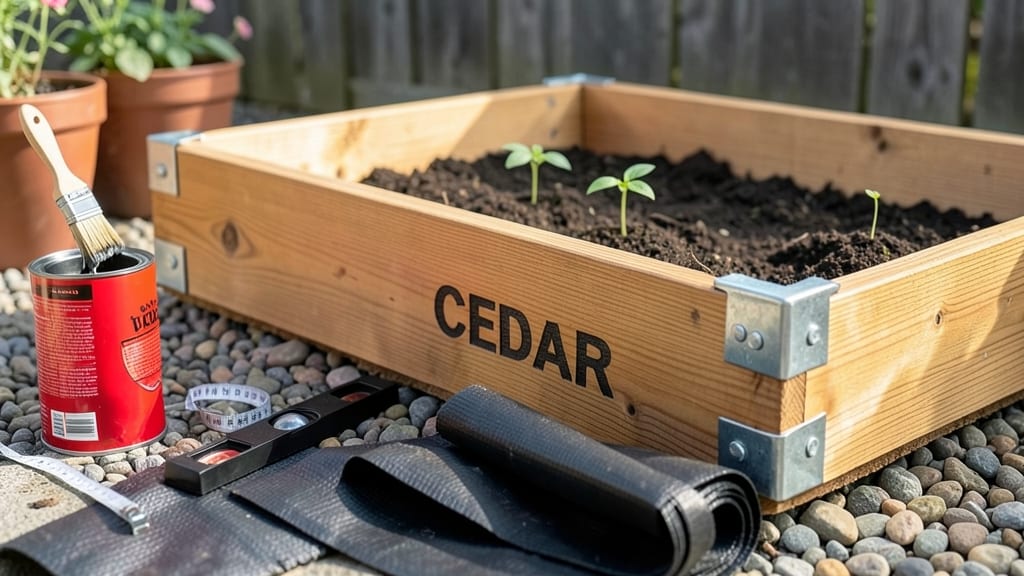
💥 Quick Answer Treated wood in raised garden beds significantly boosts durability by fighting rot, pests, and moisture damage, but you should select ACQ or MCQ pressure-treated lumber (not the older CCA type) for both…
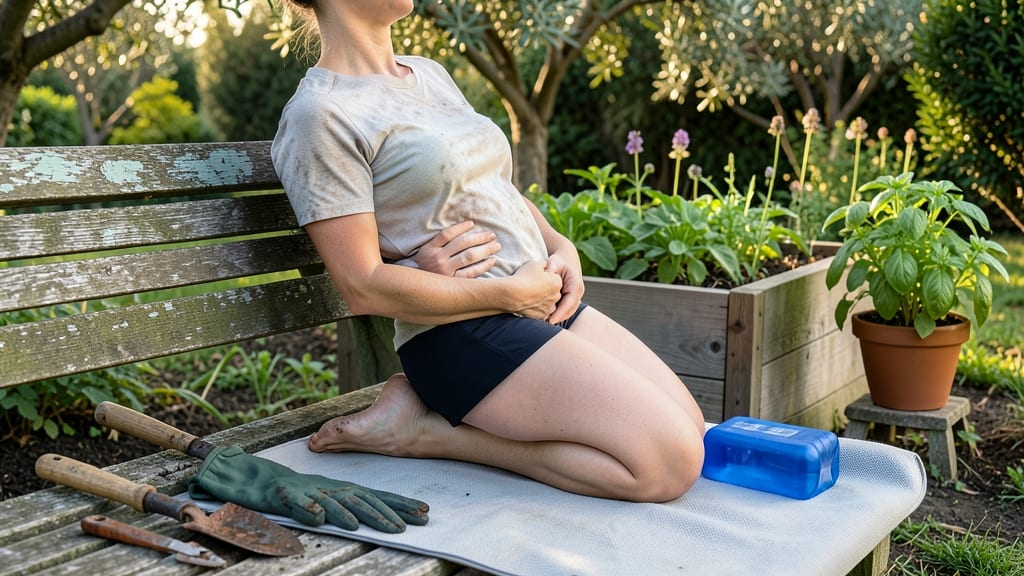
💥 Quick Answer Treating lower back pain after gardening requires starting with gentle mobility exercises like the cat-cow stretch or child’s pose, then applying cold therapy for sharp discomfort or heat for muscle…
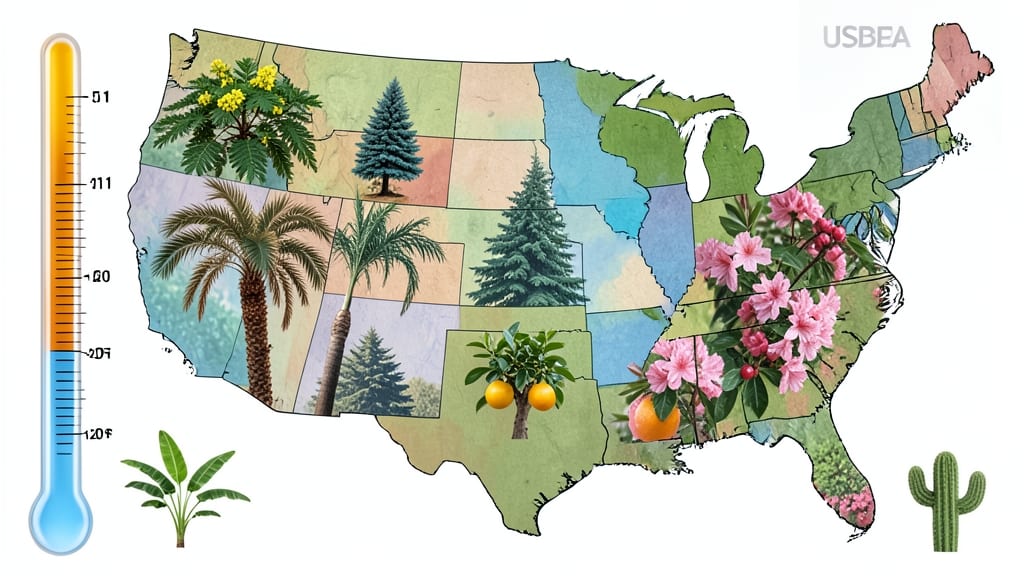
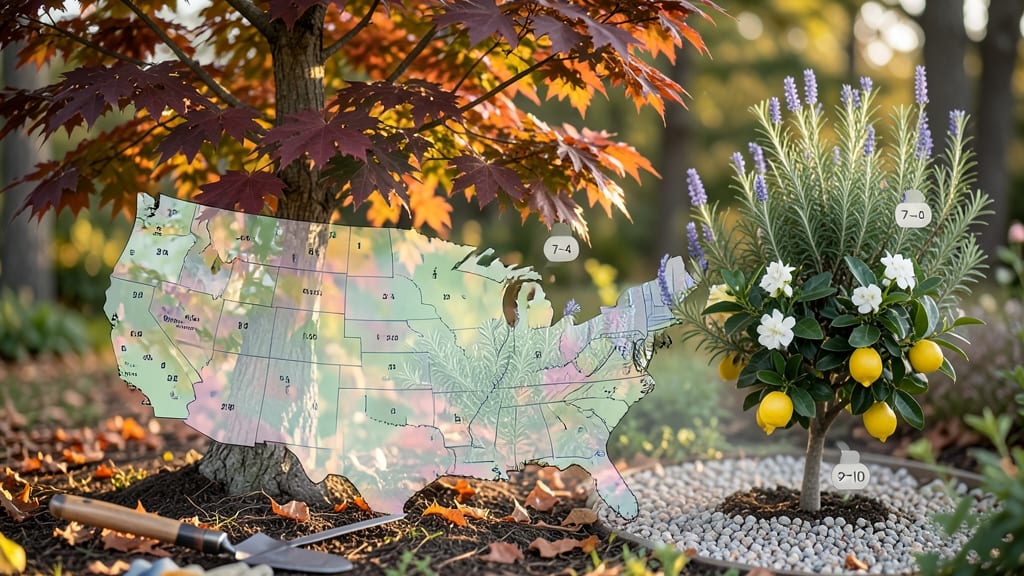
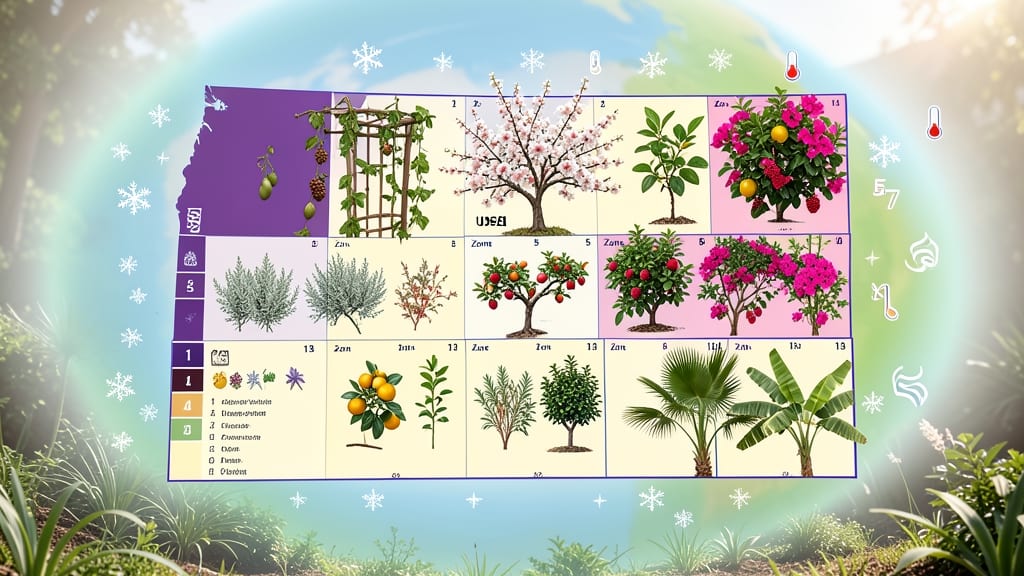
💥 Quick Answer US gardening zones determine planting deadlines by region, with last frost dates and heat tolerance dictating when to sow seeds or transplant vegetables, flowers, and perennials for optimal growth. Check…
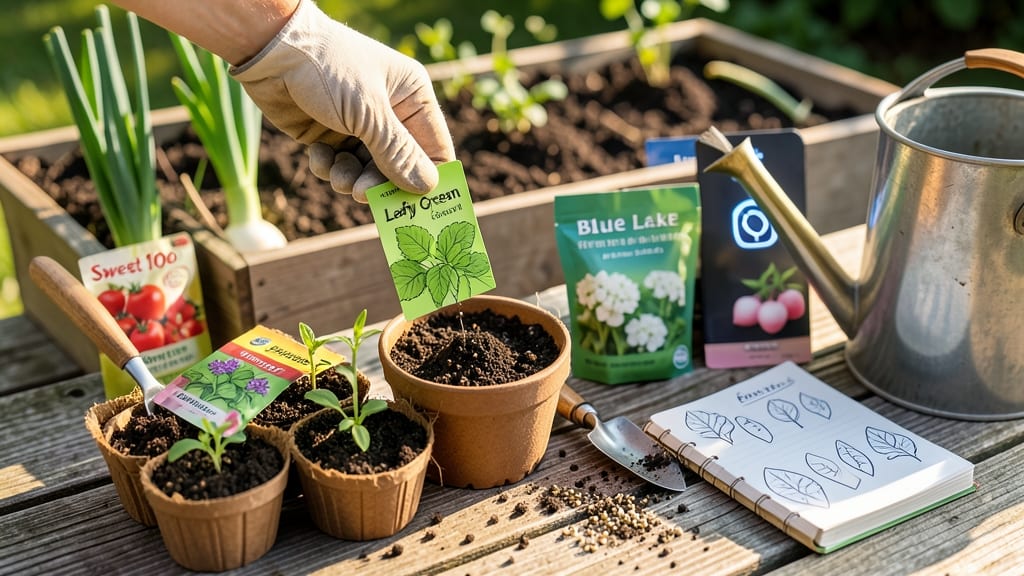
💥 Quick Answer For urban garden seeds, focus on fast-maturing varieties like leafy greens, radishes, and green onions that produce abundant harvests in limited space. These compact plants grow well in containers and…
💥 Quick Answer US climate zones for gardening categorize regions by frost dates and temperature ranges, helping gardeners select cold-hardy or heat-tolerant plants for optimal growth. The USDA Plant Hardiness Zone Map…
💥 Quick Answer The USDA Gardening Zones 2025 update reflects rising temperatures, shifting the coldest zones (like Zone 3) northward by up to 2.5°F, while warmer zones (Zone 10+) expand in southern regions. This means…
💥 Quick Answer Using garden soil in containers harms plants by causing compaction, poor drainage, and disease risks from pathogens. Instead, choose lightweight potting mixes with perlite, peat, or coco coir for better…