
Planting
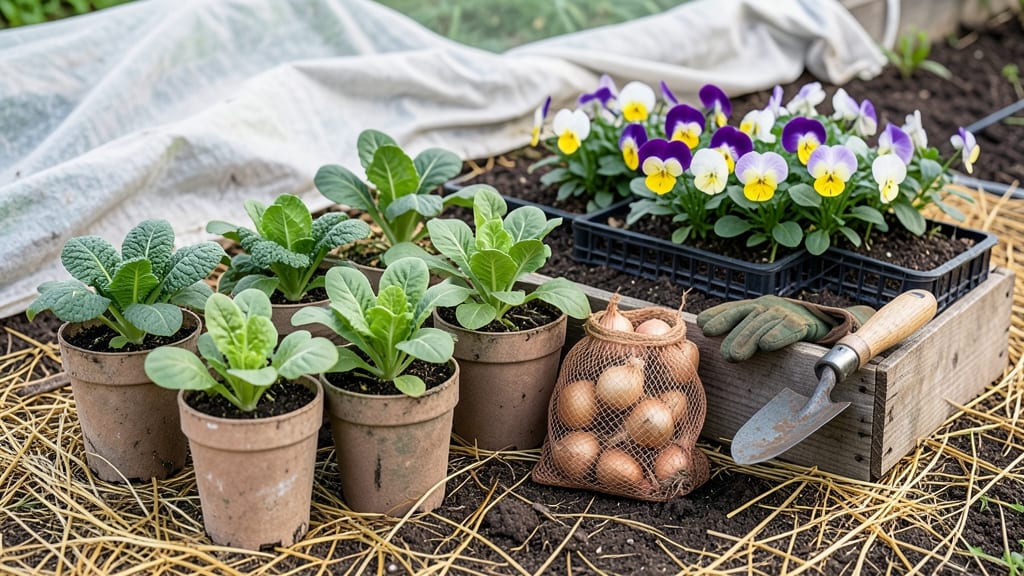
Planting a garden in East Tennessee at the right time means the difference between a thriving harvest and a sad, wilted disappointment.
East Tennessee’s unique climate—with its chilly mountain winters and humid summers—means planting at the wrong time can leave your garden struggling. But timing it just right transforms your harvest from meager to magnificent.
For most of the region, that means starting cool-season crops like peas and spinach as early as late February or early March, once the soil warms slightly but before the last frost hits around mid-April in most areas.
Warm-season favorites like tomatoes and peppers, on the other hand, need to wait until after the last frost—typically mid-to-late May—when soil temperatures consistently stay above 60°F. Below, I’ll break down the exact frost-date schedule for your specific crops and location.
East Tennessee frost dates & best planting windows by season
East Tennessee’s frost dates vary dramatically between valley cities like Knoxville (Zone 7a) and mountain regions like Asheville (Zone 6b). The average last spring frost arrives between April 15-30, while the first fall frost typically hits October 15-November 1.
These dates determine whether your cool-season crops thrive or your warm-season plants wilt.
In Knoxville, gardeners enjoy a longer growing season—about 210 frost-free days—compared to Asheville’s 180 days. This means tomatoes and peppers can often survive an extra month. But don’t let those extra days fool you: soil temperature (not air temperature) is the real gatekeeper for planting success.
Here’s your city-specific planting guide, broken down by season and crop type, to help you align your garden with East Tennessee’s microclimates. Whether you’re in the Smoky Mountains or the Cumberland Plateau, these windows will maximize your harvest.
Pro Tip: Use row covers or cold frames to extend your spring planting window by 2-3 weeks in cooler areas like Johnson City. In Chattanooga’s Zone 7b, you might even squeeze in a second planting of bush beans in early September.
Your soil temperature is the real deadline, not just the calendar. Use a soil thermometer ($10 at garden centers) to confirm 60°F+ for tomatoes and peppers—cold soil stunts growth, even if air temps are warm.
In Johnson City, wait until May 20 for warm-season plants, while Chattanooga can start as early as May 5.
For cool-season crops, aim to plant 6-8 weeks before your first fall frost.
In Asheville, that means kale and spinach should be in the ground by August 15, while Knoxville gardeners have until September 1. Brussels sprouts are the exception—they sweeten in cold weather, so plant them late summer for a winter harvest.
Don’t overlook microclimates! A south-facing slope in Gatlinburg might warm up 2 weeks earlier than a valley garden in Sevierville. Test your spot by planting radishes—they germinate in
Top 5 plants to start now (spring 2024) in East Tennessee
Spring in East Tennessee is your golden window to kickstart the growing season—if you plant the right crops at the right time. With average last frost dates between March 15-30 (depending on elevation), now’s the perfect moment to sow cool-season champions and prep for summer staples.
These five fast-growing plants thrive in our USDA Zones 6b-7a, delivering harvests before summer heat sets in.
I’ve prioritized varieties that tolerate light frosts and mature quickly, ensuring you’ll have fresh produce before tomatoes and peppers can be safely planted. Whether you’re a first-time gardener or a seasoned pro, these picks guarantee success with minimal fuss.
Let’s dive into the top 5 spring plants that’ll have your garden thriving by summer!
- 1 Peas (Sugar Snap or Snow Peas) – Plant now (March-April) when soil hits 40°F. Tolerates light frosts and ready in 60 days. Choose trellis varieties to save space.
- 2 Spinach ('Bloomsdale' or 'Tyee') – Direct sow March-April for harvest in 30-45 days. Prefers cool temps (50-65°F) and bolts in summer heat. Succession plant every 2 weeks.
- 3 Radishes ('Cherry Belle' or 'French Breakfast') – Fastest harvest (25-30 days). Sow March-May in well-drained soil. Thin seedlings to 2 inches apart to prevent crowding.
- 4 Lettuce ('Romaine' or 'Buttercrunch') – Start seeds indoors now or direct sow after last frost. Harvest leaves in 4-6 weeks or wait 60 days for heads. Mulch to retain moisture.
- 5 Onions ('Yellow Granex' or 'Texas Early White') – Plant sets or seeds now for harvest in 100-120 days. Choose short-day varieties for East TN. Thin to 4 inches apart for bulb development.
For late-spring planting (after May 1), prioritize tomatoes, peppers, and squash—but only when soil warms to 60°F+. Use row covers for early starts if nights dip below 50°F.
These five early plants give you a head start while protecting your garden from late frosts that can wipe out tender seedlings.
Pro tip: Test your soil’s pH (6.0-7.0 ideal) and amend with compost before planting. East Tennessee’s clay-heavy soils benefit from organic matter to improve drainage. Water deeply after planting—1 inch per week—and watch your garden flourish!
Need more? Save these soil-temperature triggers for reference: Peas (40°F), Spinach (40°F), Radishes (50°F), Lettuce (55°F), Onions (50°F). Happy planting—your summer harvest starts now! 🌱