
Tools
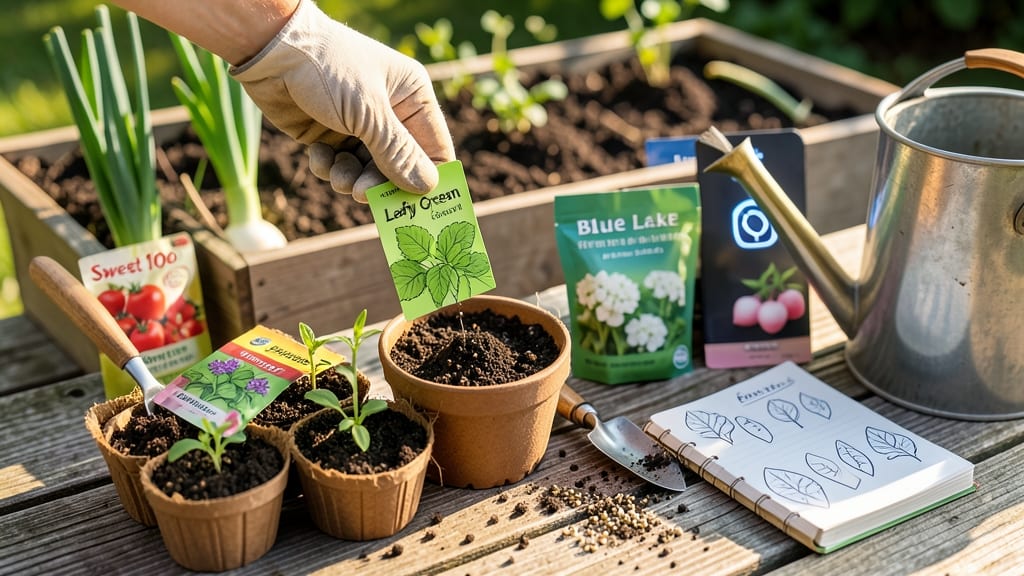
For urban garden seeds, focus on fast-maturing varieties like leafy greens, radishes, and green onions that produce abundant harvests in limited space. These compact plants grow well in containers and require minimal care while delivering quick results.
Urban gardening thrives on efficiency, and the right seeds make all the difference. 🌱 Fast-growing varieties like bush beans or cherry tomatoes mature in 45-60 days, perfect for small balconies or windowsills. The key is choosing seeds with shallow root systems that won't outgrow their containers.
Heirloom options also provide better flavor and avoid the genetic modifications found in many commercial seeds. Plus, they're often more resilient in urban environments where conditions can vary dramatically.
What sets these seeds apart is their ability to thrive under partial sunlight and with consistent moisture—both common challenges in city settings. Many urban gardeners swear by microgreens for their rapid growth (ready in just 7-14 days) and high nutritional value.
The secret sauce? Starting with high-quality, organic seeds that pack a punch in terms of germination rates and disease resistance.
💡 In This Article
- Fast-Growing Urban Garden Seed Characteristics
- Best Urban Garden Seed Varieties for Containers
Fast-growing urban garden seed characteristics
Urban gardening demands seeds that deliver rapid results, and the fastest growers share key traits like shallow root systems and compact growth habits. Take radishes, which sprout in just 3-5 days and mature in 21-30 days—ideal for small containers since their roots only reach 6-12 inches deep.
This shallow root structure prevents them from becoming root-bound in 5-gallon buckets or 10-inch pots, where they'll produce plump, crisp roots without crowding. 🌱 The trade-off? Radishes bolt quickly in hot weather, so planting them in partial shade during peak summer months extends their harvest window.
Another standout is microgreens, which pack a nutritional punch while growing in just 7-14 days. These young vegetable greens (like broccoli, peashoot, or sunflower) develop 6-12 inches tall but require minimal space—10-inch square trays yield 1-2 pounds of edible greens.
The secret lies in their high germination rates (often 90%+) and rapid leaf production, thanks to optimized light absorption in their broad cotyledons. For comparison, bush beans take 50-60 days to mature but produce 6-8 pods per plant in 12-inch pots, making them space-efficient perennials for continuous harvests.
Light requirements also dictate success in urban settings. Most fast-growing urban seeds thrive in 4-6 hours of direct sunlight daily, with some (like green onions) tolerating 3 hours if supplemented with grow lights.
The science here involves photosynthesis efficiency: shorter plants with broad leaves (like lettuce) maximize light capture in confined spaces.
Drought resistance is another critical factor—varieties like Swiss chard or kale develop thick, waxy leaves that retain moisture, reducing the need for daily watering in city apartments where irrigation systems may be inconsistent. 💧
Temperature plays a surprising role in growth rates. Cool-season crops (40-70°F) like spinach or peas grow 30-50% faster than heat-loving varieties (75-90°F) such as okra or sweet potatoes.
This is why urban gardeners in USDA Zones 5-8 often start with cold-hardy varieties in early spring or late summer, avoiding the midday heat that slows germination.
The exception? Cherry tomatoes, which thrive in 70-85°F and produce fruit in 60-70 days—their compact bush varieties (like 'Tiny Tim') stay under 3 feet tall, perfect for hanging baskets or 5-gallon grow bags.
What most urban gardeners overlook is the seed-to-harvest ratio. For example, a single bush bean seed yields 3-5 pods in 12 inches of space, while a lettuce seed produces 10-15 leaves in the same footprint.
This efficiency is why companion planting (like pairing beans with lettuce) maximizes yield—beans fix nitrogen in the soil, benefiting leafy greens. The result? A 10-square-foot balcony garden can produce enough greens for 4-6 people weekly if planted with the right fast-growing varieties. 🌿
For those with limited sunlight, herbs like basil or cilantro are game-changers. Basil grows 12-18 inches tall in 30-45 days and thrives in 3-4 hours of sun, while cilantro bolts in 40-50 days but produces 3-4 harvests before flowering.
The key is choosing determinate varieties (which stop growing at a certain size) over indeterminate ones, ensuring they stay compact. This precision in selection turns even the smallest windowsill into a productive green machine. ✨