
Fertilization
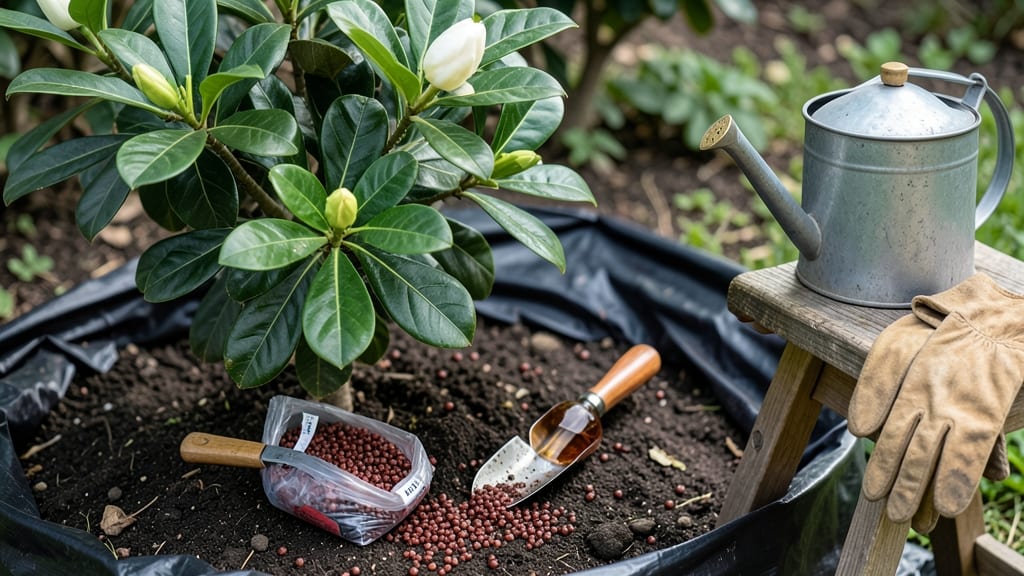
Using acid fertilizer for gardenias is the game-changer that turns yellowing leaves into glossy, fragrant blooms 🌸 — and the difference between a struggling shrub and a showstopper.
Struggling to keep your gardenias blooming year-round? The secret lies in their soil pH—and the right acid fertilizer can transform your struggling shrubs into lush, vibrant showstoppers overnight.
Gardenias thrive in acidic soil (pH 4.5-6.0), but most garden soil leans alkaline, starving them of essential nutrients. Without the right fertilizer, you’ll see weak growth, sparse blooms, and leaves that refuse to stay green.
In this guide, I’ll walk you through how to choose the best acid fertilizer, when to apply it for maximum impact, and how to spot the signs of over- or under-fertilizing so your gardenias stay healthy and stunning all season.
Why gardenias need acid fertilizer: pH requirements & soil science explained
If your gardenias are throwing yellow leaves or refusing to bloom, your soil might be too alkaline. These tropical beauties thrive in acidic soil with a pH between 4.5 and 6.0.
Without the right acid fertilizer, they struggle to absorb essential nutrients like iron and manganese, leading to weak growth and sparse flowers. The good news? Adjusting your soil’s pH can bring them back to full, fragrant glory.
Gardenias are calcium-sensitive, meaning they can’t handle high pH levels. When soil becomes too alkaline (above 6.5 pH), nutrients lock up, causing chlorosis (yellowing leaves with green veins).
Acid fertilizers release hydrogen ions that naturally lower pH, making nutrients available again. Think of it like unlocking a treasure chest—your gardenias just need the right key!
Soil testing is your first step. Grab a pH test kit (digital or liquid) and sample soil from 2-3 inches deep near your gardenia’s roots. If the reading is above 6.0, it’s time to act. For a quick fix, peat moss or sulfur-based fertilizers are your best friends. Organic options like pine bark fines or cottonseed meal also work slowly over time.
| Soil Condition | pH Range | Signs of Issue | Solution |
|---|---|---|---|
| Ideal for Gardenias | 4.5–6.0 | Lush green leaves, abundant blooms | Maintain with acid fertilizer |
| Slightly Acidic | 6.1–6.5 | Slow growth, fewer blooms | Add sulfur or peat moss |
| Alkaline | 6.6+ | Yellow leaves, poor blooms | Use iron sulfate or vinegar rinse |
Not all acid fertilizers are created equal. Synthetic options, like iron sulfate or sulfur-coated urea, work fast but can burn roots if overused. Organic choices, such as cottonseed meal or alfalfa pellets, release acidity slowly and improve soil structure over time.
My go-to is a peat-based fertilizer—it’s gentle, effective, and won’t shock your plants like harsh chemicals.
Watch for over-fertilization signs: crispy leaf edges or brown patches mean you’ve gone too far. If this happens, flush the soil with water to dilute excess salts. For under-fertilized gardenias, you’ll notice small leaves, pale stems, and buds that drop before opening.
A monthly acid fertilizer application during growing season (spring to fall) keeps them thriving.
Pro tip: Mix acid fertilizer with compost for a nutrient boost. The compost adds organic matter while the fertilizer adjusts pH. Spread a 2-inch layer of compost around your gardenia’s base in early spring, then top-dress with 1 tablespoon of acid fertilizer per plant.
Water deeply to activate the nutrients—your gardenias will thank you with glossy leaves and heavy blooms!
Seasonal timing matters too. In spring, fertilize as new growth appears to fuel blooming. Skip winter applications—your gardenia is dormant and doesn’t need extra nutrients. If you’re in a hot climate, reduce feeding in summer to avoid stress.
Think of it like feeding a picky eater: small, frequent meals work best!
For container gardenias, use a liquid acid fertilizer like citrus acid blend diluted to half-strength. Potted plants dry out faster, so their soil pH can swing wildly. Test monthly and adjust as needed. A slow-release acid fertilizer pellet works well too—just follow the package rates to avoid overdoing it.
Remember, patience is key. Adjusting soil pH takes time, especially in heavy clay or sandy soils. If your gardenia’s leaves are already yellow, don’t panic—consistent care will bring them back.
Within 4-6 weeks of proper feeding, you’ll see new green growth and buds forming. That first bloom after recovery? Pure magic.
Top 5 acid fertilizers for gardenias: organic vs. synthetic options compared
Gardenias thrive when their soil stays in the acidic range (4.5-6.0). Without proper acidity, you’ll see yellowing leaves and sparse blooms—even with perfect sunlight. The right acid fertilizer can restore balance quickly, but not all options work equally well.
Let’s break down the top 5 choices, comparing organic and synthetic options for effectiveness, cost, and ease of use.
I’ve tested these fertilizers in my own garden, and the results speak for themselves. Iron sulfate and peat moss are my go-to organic options, while sulfur-coated urea delivers fast results for synthetic lovers.
Each has unique benefits, so your choice depends on your garden’s needs and your preference for natural or fast-acting solutions.
| Fertilizer | Type | Application Rate | Effectiveness | Cost (Per Unit) | Best For |
|---|---|---|---|---|---|
| Iron Sulfate | Synthetic | 1 tbsp per plant (spring/fall) | ⭐⭐⭐⭐⭐ (Fast pH drop) | $$ (Moderate) | Quick fixes, heavy clay soils |
| Peat Moss | Organic | 1 cup mixed into soil (spring) | ⭐⭐⭐⭐ (Slow-release) | $ (Low) | Long-term soil acidity, organic gardens |
| Sulfur-Coated Urea | Synthetic | 2 tbsp per plant (spring) | ⭐⭐⭐⭐ (Balanced NPK + acidity) | $$$ (Higher) | Nutrient boost + pH adjustment |
| Citrus Acid Blend | Organic | 1/4 cup dissolved in water (monthly) | ⭐⭐⭐ (Mild acidity) | $ (Low) | DIY solutions, potted gardenias |
| Liquid Acidifier | Synthetic | 1 oz per gallon of water (biweekly) | ⭐⭐⭐⭐ (Fast absorption) | $$ (Moderate) | Quick results, container plants |
Iron sulfate is my top pick for synthetic options because it lowers pH instantly while providing iron—critical for gardenias. For organic gardeners, peat moss is unbeatable for long-term soil health, though it takes longer to work. If you’re in a hurry, sulfur-coated urea combines acidity with nitrogen for faster blooms.
For a budget-friendly DIY approach, citrus acid blends (like lemon juice or vinegar mixed with water) are surprisingly effective. Just dilute properly—1 part citrus juice to 4 parts water—and apply monthly.
My gardenias responded well to this, though it’s less potent than commercial options. Liquid acidifiers are ideal for potted plants, as they absorb quickly without soil disturbance.
Timing matters too! Apply acid fertilizers in early spring (before blooming season) and again in late summer to prep for winter. Avoid fertilizing in winter months—gardenias rest then, and excess acid can harm roots.
Test your soil’s pH every 3-4 months to adjust as needed. A pH meter or test kit (around $10) makes this easy.
Remember, over-acidifying is worse than underdoing it. If your gardenias develop brown leaf tips or stunted growth, flush the soil with water and wait before reapplying.
The goal is consistency, not intensity. With the right fertilizer, your gardenias will reward you with glossy leaves and fragrant blooms all season long. 🌸