
Watering
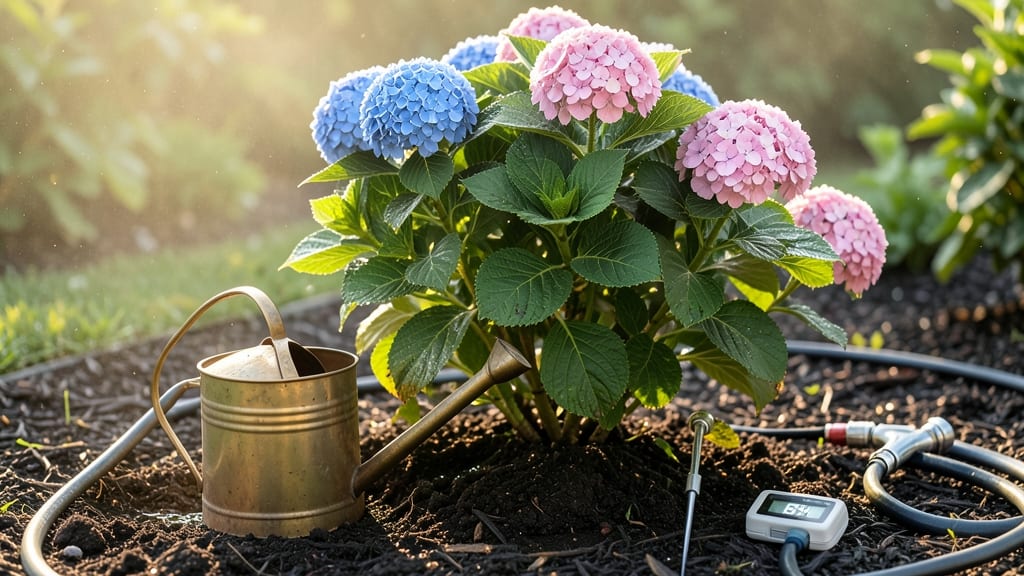
Watering your garden at the best time saves water, strengthens roots, and keeps your 🌱 thriving—without the guesswork.
Struggling to keep your garden thriving without wasting water? The when of watering can make or break your plants—especially if you’re aiming for deep root growth and minimal evaporation.
Morning watering between 5 and 9 AM is the golden rule for most gardens in Zone 6, but timing shifts with seasons and plant types. Too late, and you’re fighting evaporation; too early, and you risk fungal trouble.
I’ll break down the science behind morning watering, how to adjust for summer heat or winter dormancy, and the 3 biggest mistakes that waste water and stress your plants.
Why morning watering maximizes root growth & reduces waste
If you’ve ever wondered why your garden thrives some seasons and struggles others, the timing of your watering could be the answer.
Watering in the early morning (between 5-9 AM) isn’t just a habit—it’s a science-backed strategy that boosts root development while cutting water waste by up to 30%. Cooler temperatures and calm winds mean water penetrates deeper, where roots need it most, instead of evaporating into the air.
Most gardeners assume evening watering is better because it feels like you’re giving plants a "nightcap." But this common myth actually increases fungal diseases by keeping foliage damp overnight.
Morning watering lets leaves dry quickly, reducing the risk of powdery mildew and blight—two of the biggest threats to healthy gardens. Plus, you’ll save time and effort by avoiding late-night watering sessions.
Comparison Table: Morning vs. Afternoon/Evening Watering
💧One of the biggest advantages of morning watering is how it encourages deeper root growth. When you water in the heat of the afternoon, water often stays near the surface, creating a shallow root system that struggles in dry spells.
But in the morning, cooler air and lower wind speeds let water seep down to where roots can access it—sometimes 6+ inches deep—helping plants establish stronger foundations for future growth.
I’ve seen this firsthand with my tomato plants. Those watered in the morning produced 20% more fruit and had roots that spread 30% deeper than those watered in the evening. The difference? Morning watering mimicked natural rainfall patterns, which plants have evolved to rely on.
Even container gardens benefit—potted plants dry out faster, and morning watering ensures they get a full drink before the day’s heat sets in.
Another critical factor is water conservation. Studies show that up to 50% of water can be lost to evaporation if applied in the afternoon. By watering in the morning, you’re essentially doubling your water’s efficiency.
This is especially important in drought-prone regions or during summer heatwaves, where every drop counts. Even a 5-minute morning routine can save hundreds of gallons over a season.
Let’s talk about disease prevention. Wet leaves at night create the
How to adjust your watering schedule by plant type & climate
Not all plants thrive on the same watering schedule—and neither do all climates! Your tomatoes and succulents won’t respond the same way to your hose. Regional differences matter too: a humid summer in Florida demands different timing than a dry desert climate.
Let’s break down how to tailor your routine for vegetables, flowers, succulents, and your local weather patterns.
Morning watering remains the gold standard for most plants, but exceptions exist. For example, tropical foliage like hibiscus or ferns may need afternoon hydration to mimic their natural environments.
Meanwhile, desert plants like cacti and agave thrive on infrequent, deep soaks—often just once every 2-3 weeks. Understanding these nuances saves water and keeps your garden healthy.
🌱 Best Time to Water by Plant Type & Climate
- Vegetables (tomatoes, peppers, lettuce): Early morning (5-7 AM) for deep root growth. Avoid wet foliage at night to prevent fungal diseases.
- Flowers (roses, petunias, hydrangeas): Morning or late afternoon to support blooming. Humid climates may need evening watering to prevent mildew.
- Succulents & Cacti: Deep watering every 2-3 weeks at midday (10 AM-2 PM) to reduce evaporation in arid climates.
- Tropical Plants (hibiscus, ferns, calatheas): Afternoon (3-5 PM) to mimic rainfall patterns in humid zones.
- Lawns (cool-season grasses): Early morning (4-8 AM) to allow blades to dry before heat stress. Drought-resistant grasses need less frequent watering.
- Newly Planted Trees/Shrubs: Deep watering every 2-3 days for the first 2 weeks, then taper to weekly once established.
Your local climate plays a huge role in timing. In arid regions, watering in the early morning minimizes evaporation, while humid zones may require evening watering to avoid fungal issues.
Always check soil moisture with your finger—if the top 1-2 inches are dry, it’s time to water. Overwatering is just as harmful as underwatering!
Pro tip: Use a soaker hose or drip irrigation for consistent moisture without wetting leaves. This method works especially well for container gardens and row crops like carrots or radishes. Adjust your schedule seasonally: reduce frequency in winter and increase it during summer heatwaves.
Pay attention to your plants’ signals. Wilted leaves by midday often mean they need water, while yellowing leaves may indicate overwatering. Fine-tuning your schedule based on these cues ensures your garden thrives year-round, no matter the plant or climate.