
How To
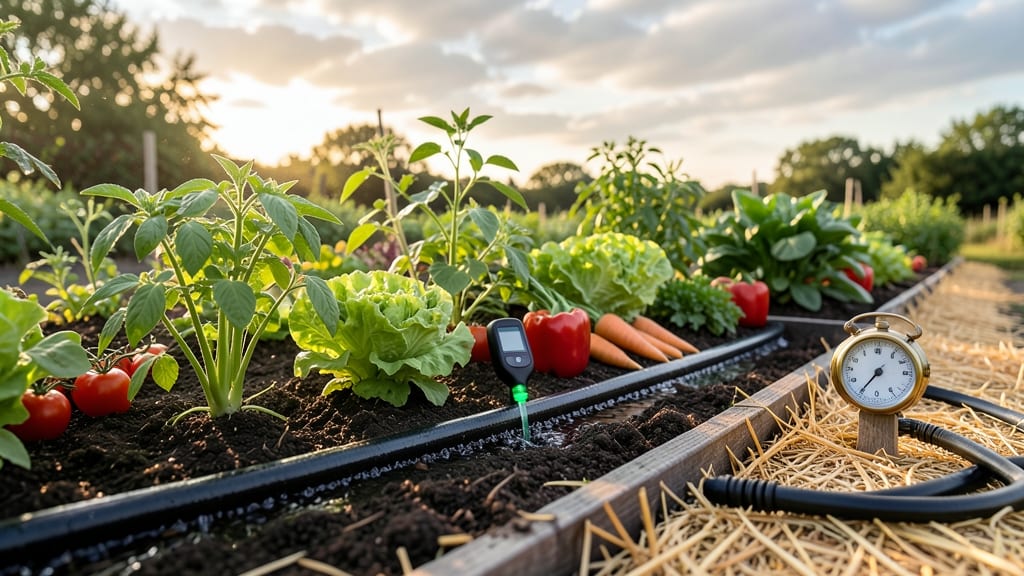
Leaving your soaker hose on a vegetable garden for the right amount of time saves water, prevents root rot, and keeps your 🥬 thriving—without the guesswork.
Picture this: you’ve just set up your soaker hose, eager to see your garden flourish, only to wonder, how long is too long? Run it too short, and your plants will beg for more.
Leave it too long, and you’ll drown the roots before you know it. The sweet spot? It depends on your soil, the plants you’re growing, and even the weather.
Most vegetable gardens need about 30 to 60 minutes per session, but that can shift based on whether you’re watering leafy greens or root crops, sandy soil or clay.
A quick check of the soil moisture can tell you if you’re overdoing it—or if your hose needs to run a little longer.
Below, I’ll break down the exact timing for different plants, how to adjust for heatwaves or rainy days, and the one simple trick to tell when your garden has had enough. No more wasted water, no more wilting plants—just perfect hydration every time.
Optimal soaker hose run times by Plant type and soil conditions
A soaker hose delivers water directly to your vegetable garden’s roots, but the run time depends on plant type, soil conditions, and weather patterns. Leafy greens like lettuce need frequent, shallow hydration, while root crops like carrots require deep, infrequent watering.
Sandy soil drains faster than clay, meaning you’ll need shorter bursts for the former. Let’s break down the science-backed timing to avoid underwatering or overwatering your garden.
For leafy greens (spinach, kale, Swiss chard), aim for 15–30 minutes every 2–3 days. These plants have shallow roots and need consistent moisture to stay crisp. In sandy soil, reduce run time to 10–15 minutes—it drains like a sieve!
Conversely, root crops (carrots, potatoes, beets) thrive with 30–60 minutes every 4–5 days to encourage deep root growth. Clay soil holds moisture longer, so cut run time by 20–30% to prevent soggy roots.
| Plant Type | Soil Type | Run Time (mins) | Frequency | Notes |
|---|---|---|---|---|
| Leafy Greens (lettuce, spinach) | Sandy | 10–15 | Daily (morning) | Shallow roots; keep soil moist |
| Leafy Greens | Clay | 20–30 | Every 2–3 days | Avoid waterlogging; test moisture |
| Root Crops (carrots, beets) | Sandy | 45–60 | Every 4–5 days | Encourages deep root growth |
| Root Crops | Clay | 30–45 | Every 5–6 days | Reduce time to prevent rot |
| Fruiting Plants (tomatoes, peppers) | Any | 30–45 | Every 3–4 days | Deep watering for fruit set |
| Herbs (basil, cilantro) | Sandy | 10–15 | Daily | Drought-sensitive; keep soil damp |
Weather plays a critical role in adjusting your soaker hose schedule. During hot, dry spells, extend run times by 20–30% to compensate for evaporation. For example, a 30-minute session for tomatoes in summer might need 40 minutes.
Conversely, in cool, moist climates, reduce time by 15–25% to avoid waterlogged soil. Always water in the early morning (before 10 AM) to minimize fungal risks like powdery mildew.
Test your soil’s moisture by sticking your finger 2 inches deep. If it feels dry, extend your soaker hose by 5–10 minutes. For container-grown veggies, run the hose until water drains from the bottom—typically 15–25 minutes per container.
Mulching with straw or wood chips can reduce run time by 10–15% by retaining moisture longer. Always bury the hose 1–2 inches deep to protect it from UV damage and ensure even water distribution.
Overwatering is just as harmful as underwatering. Signs of excess water
How to adjust watering time based on soil moisture and Plant signals
Your vegetable garden’s watering needs aren’t static—they change with the season, soil type, and even the time of day. Instead of sticking to a rigid schedule, learn to read your plants and soil like a pro.
This way, you’ll deliver the perfect amount of water without wasting a drop or drowning your roots. Start by checking the soil moisture before each watering session to avoid guesswork.
One of the easiest ways to monitor soil moisture is the finger test. Stick your index finger about 1-2 inches into the soil near your plants. If it feels dry at that depth, it’s time to water.
For sandy soil, which drains quickly, you might need to water more frequently—sometimes even daily in hot summer months. On the flip side, clay soil holds moisture longer, so you can space waterings further apart.
Don’t ignore the visual cues your plants send. Wilting leaves by midday often mean your vegetables are begging for water. Give them a quick 15-20 minute soaker hose session to perk them up. Conversely, if you notice yellowing leaves or mushy stems, you’re likely overwatering.
Cut back on duration and let the soil dry out between sessions. Healthy soil should smell earthy, not sour or rotten.
Seasonal changes demand adjustments too. In the heat of summer, your soaker hose might need to run for 30-45 minutes daily to keep roots hydrated. But in spring or fall, 20-30 minutes every 2-3 days is usually sufficient.
Always water in the early morning to minimize evaporation and fungal risks. Avoid evening waterings, as damp foliage overnight can invite pests and diseases.
Pro tip: Mulch your vegetable garden to retain moisture and regulate soil temperature. A 2-3 inch layer of organic mulch (like straw or wood chips) can reduce watering needs by up to 30%.
Pair this with your soaker hose routine, and you’ll have a low-maintenance, high-yield garden in no time. Pay attention, and your plants will reward you with vibrant growth and bountiful harvests.