
Tools
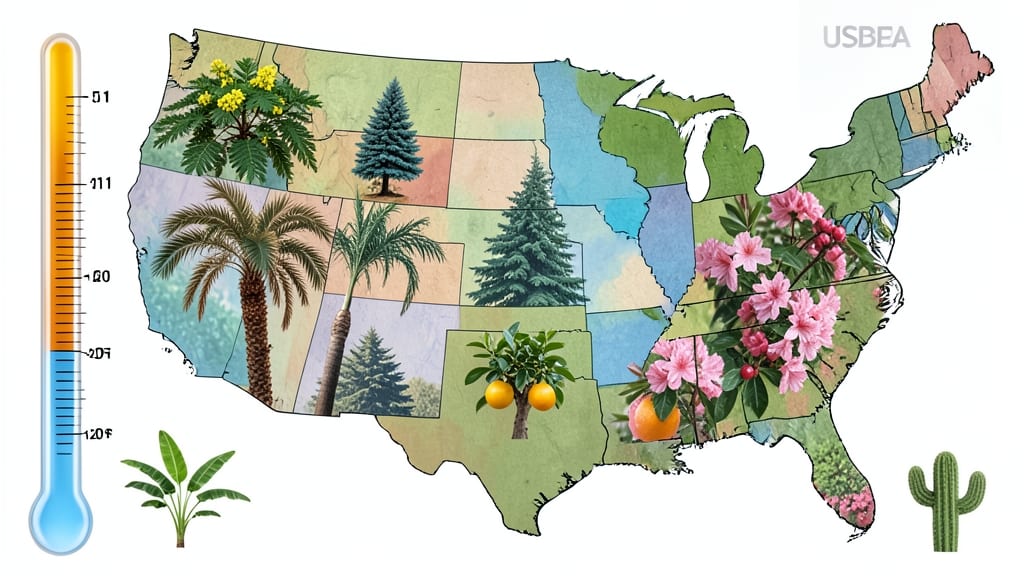
US gardening zones determine planting deadlines by region, with last frost dates and heat tolerance dictating when to sow seeds or transplant vegetables, flowers, and perennials for optimal growth. Check your zone (1-13) to align planting with local climate patterns and avoid frost damage or stunted growth.
Understanding your US gardening zone—ranging from Zone 1 (Alaska) to Zone 13 (Hawaii)—helps you time plantings perfectly. These zones, based on average minimum winter temperatures, reveal when to start seeds indoors, transplant seedlings, or plant directly in the ground.
For example, Zone 5 gardeners wait until after the last frost (usually late April or May), while Zone 10 can plant year-round. Microclimates, like urban heat pockets or high-altitude areas, can shift these timelines by weeks. 🌱
Why does this matter? Plants thrive when their growth cycles match local conditions. Cool-season crops like lettuce or peas need chilly soil, while tomatoes and peppers demand warm temperatures.
By aligning your planting schedule with your zone’s frost dates and heat tolerance, you’ll maximize yields and avoid common pitfalls like leggy seedlings or bolting greens. My Zone 7 garden, for instance, lets me start tomatoes indoors in February but waits until May to transplant them outside.
💡 In This Article
- How USDA Plant Hardiness Zones Affect Plant Survival
- Zone-Specific Planting Timelines for Vegetables, Flowers, and Perennials
How USDA plant hardiness zones affect plant survival
The USDA Plant Hardiness Zone Map divides the country into 13 zones based on the average annual minimum winter temperature, measured in 10°F increments. This system helps gardeners understand which plants can survive the coldest temperatures in their area.
For example, Zone 1 (Alaska, northern Canada) experiences temperatures as low as -60°F, while Zone 13 (Hawaii, southern Florida) rarely drops below 60°F. These temperature ranges directly impact plant hardiness—cold-hardy perennials like cold-hardy hydrangeas thrive in Zone 3 but may die back in Zone 9 winters.
Here’s how it works: The zone number reflects the coldest average winter temperature your area can handle. For instance, a plant labeled as Zone 5 hardy can tolerate temperatures down to -20°F but will likely suffer in Zone 1.
This is why gardeners in Zone 5 can grow potatoes or kale outdoors year-round, while Zone 10 gardeners must protect these crops from unexpected 32°F drops.
The map also accounts for microclimates, like south-facing walls or sheltered valleys, which can create localized 2-5°F warmer conditions than the broader zone suggests.
Seasonal planting deadlines hinge on these zones. In colder zones (1-6), gardeners rely on last frost dates—typically 2-4 weeks after the average last frost—to determine when to transplant warm-season crops like tomatoes or peppers.
Meanwhile, Zone 7-10 gardeners can often plant warm crops year-round, with only brief pauses during extreme heat or cold snaps.
The science behind this is rooted in plant dormancy: Cool-season crops (spinach, broccoli) enter dormancy when soil temperatures drop below 50°F, while warm-season crops (okra, sweet potatoes) require soil temps above 60°F to germinate.
What most gardeners overlook is how heat tolerance plays a role in survival. Just as cold kills tender plants, excessive heat can stress or kill heat-sensitive varieties. For example, Zone 10 gardeners must choose heat-tolerant tomatoes (like 'Heatmaster') or use shade cloth to protect plants from temperatures above 95°F.
In contrast, Zone 3 gardeners focus on cold-hardy varieties that can withstand -30°F without mulch. The key is matching your zone’s extremes to the plant’s tolerance range—whether it’s winter cold or summer heat.
Consider this comparison: A Zone 5 gardener might start tomato seeds indoors in March (when indoor temps are 70°F) but wait until May 15 to transplant outside after soil warms to 60°F.
Meanwhile, a Zone 10 gardener can direct-sow tomatoes in February because the ground rarely drops below 55°F. The difference isn’t just timing—it’s about aligning the plant’s growth cycle with your local climate’s natural rhythm. 🌡️
Advanced gardeners also adjust for altitude, which can shift zones by 3-5°F per 1,000 feet. A Zone 7 garden at 5,000 feet elevation might behave more like Zone 5, while a lowland area could be Zone 9.
Tools like the USDA Interactive Zone Map let you pinpoint your exact zone and microclimate, accounting for these nuances. By understanding these factors, you can avoid costly mistakes like planting frost-sensitive eggplants too early in Zone 6—only to lose them to a late spring freeze.