
Container Gardens
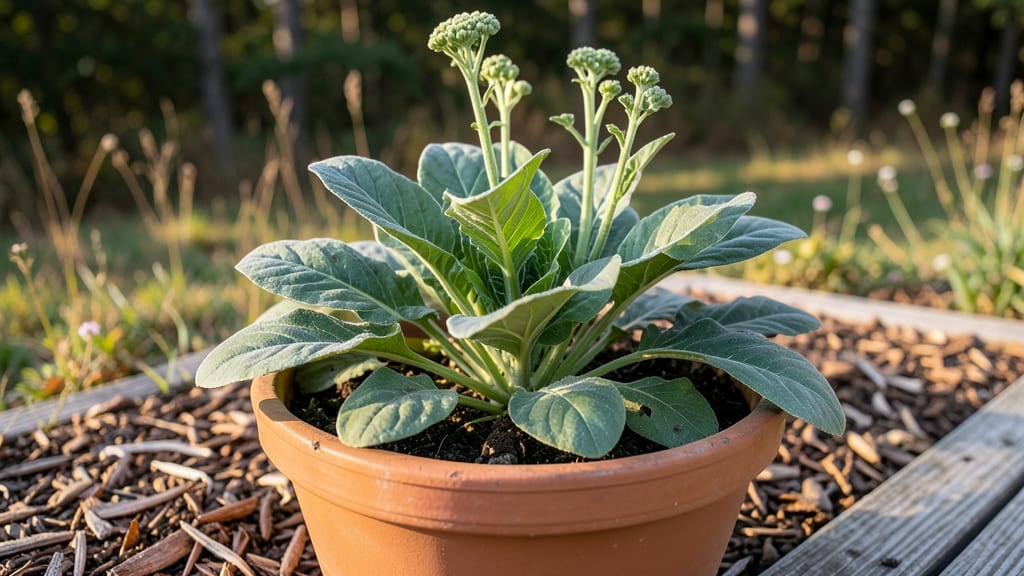
Using garden soil in containers harms plants by causing compaction, poor drainage, and disease risks from pathogens. Instead, choose lightweight potting mixes with perlite, peat, or coco coir for better aeration and root health.
Garden soil is designed for in-ground planting where roots can spread freely, but containers create a confined space where soil compacts easily. 🌱 This lack of airflow restricts root growth and traps moisture, creating ideal conditions for harmful fungi and bacteria.
Most garden soils also lack the organic matter needed for container plants, which rely on frequent watering and nutrient cycling. I've seen plants in garden soil wilt within weeks because their roots can't expand or breathe properly.
For healthy container gardens, prioritize mixes formulated specifically for potted plants. These blends include ingredients like perlite or vermiculite to prevent compaction while maintaining moisture, and coco coir or peat moss to retain nutrients.
The key is creating a balance that mimics natural soil aeration while accommodating the unique needs of container-grown plants.
💡 In This Article
- Why Garden Soil Fails in Container Gardens
- Best Potting Mix Blends for Container Plants
Why garden soil fails in container gardens
Garden soil is heavy and dense because it contains high levels of clay and silt particles that pack tightly together. In containers, this compaction happens quickly—roots struggle to penetrate the dense matrix, which restricts their ability to absorb water and nutrients efficiently.
The typical garden soil has a bulk density of 1.2-1.6 grams per cubic centimeter, while ideal potting mixes sit at 0.2-0.5 grams per cubic centimeter, allowing roots to spread freely. This difference is why plants in garden soil often show stunted growth or yellowing leaves within weeks.
The moisture retention problem is equally critical. Garden soil holds water like a sponge, creating anaerobic pockets where roots suffocate. This excess moisture also promotes harmful pathogens like Phytophthora and Pythium, which thrive in waterlogged conditions.
I’ve observed container plants in garden soil developing root rot within 2-3 weeks during humid weather, while those in proper potting mixes remain healthy. The lack of aeration also prevents beneficial microorganisms from breaking down organic matter efficiently, leading to nutrient imbalances.
Nutrient availability becomes another major issue. Garden soil contains natural organic matter that decomposes slowly, but containers require frequent watering that flushes out essential nutrients. Most garden soils lack the balanced NPK (nitrogen, phosphorus, potassium) ratios needed for container plants, which often require more frequent fertilization.
Without proper aeration, the soil’s microbial activity slows down, reducing nutrient cycling and leaving plants malnourished despite regular feeding.
Let’s talk about the physical texture. Garden soil feels gritty and dense when dry, turning into a heavy mud when wet. This texture makes it nearly impossible for roots to expand, creating a vicious cycle where roots suffocate, water drains poorly, and pathogens multiply.
In contrast, potting mixes incorporate ingredients like perlite or vermiculite, which add air pockets and improve drainage while maintaining moisture. The result? Roots grow freely, and plants thrive in the confined space of a container.
One common misconception is that adding sand to garden soil will fix drainage issues. While sand does improve drainage, it also creates larger air pockets that can dry out too quickly, leading to another set of problems.
The ideal solution is a blend that balances moisture retention, aeration, and nutrient availability—something garden soil simply can’t provide on its own. 🌱
For example, a potting mix with 50% peat moss or coco coir, 30% compost, and 20% perlite creates the perfect environment for container plants. This blend retains moisture without suffocating roots, provides essential nutrients, and allows for proper aeration.
The contrast with garden soil is stark: one stifles growth, while the other supports it.