
You have read a hundred of these
Most gardening sites assume you’ve got time to experiment, a perfect climate, and a green thumb that never wilts. We don’t. The advice here starts with what actually works in a real garden—not just the one in a catalog or a perfectly staged Instagram post.
If a method fails in three out of five trials, it’s not on this site.
We also don’t pretend that gardening is easy. Some plants are stubborn, soil is unpredictable, and even the best-laid plans can go wrong. What we *do* promise is honesty: if a trick takes an hour of backbreaking work for a single pot of herbs, we’ll say so.
If a ‘foolproof’ method only works in a greenhouse, we’ll tell you why it won’t in your backyard.
This isn’t about selling you dreams. It’s about giving you the tools to grow what you want, when you want it, without wasting your time—or your plants.
The internet is full of gardening advice that sounds great until you try it, and then your basil turns to mush or your zucchini vines collapse under their own weight.
Anyone can write that they test things
Every plant featured here has been grown at least three times in different conditions: in pots, in raised beds, and directly in the ground.
Some have been planted in full sun, others in partial shade, and a few in the shadiest corners of a courtyard where most advice says ‘don’t bother.’ We track soil pH, watering schedules, and how quickly they bolt or rot.
If a tomato variety claims to be ‘disease-resistant,’ we grow it in the same plot where blight took out half the neighbors’ gardens last year. If a herb is supposed to ‘thrive in drought,’ we forget to water it for two weeks and see what happens.
The results—good, bad, or ugly—are all here.
And yes, some plants still die. But we keep records of why, so you don’t have to learn the hard way.
We’ve seen ‘tested’ mean one try in a potted basil on a windowsill, or a single failed experiment with a single seedling.
About the author
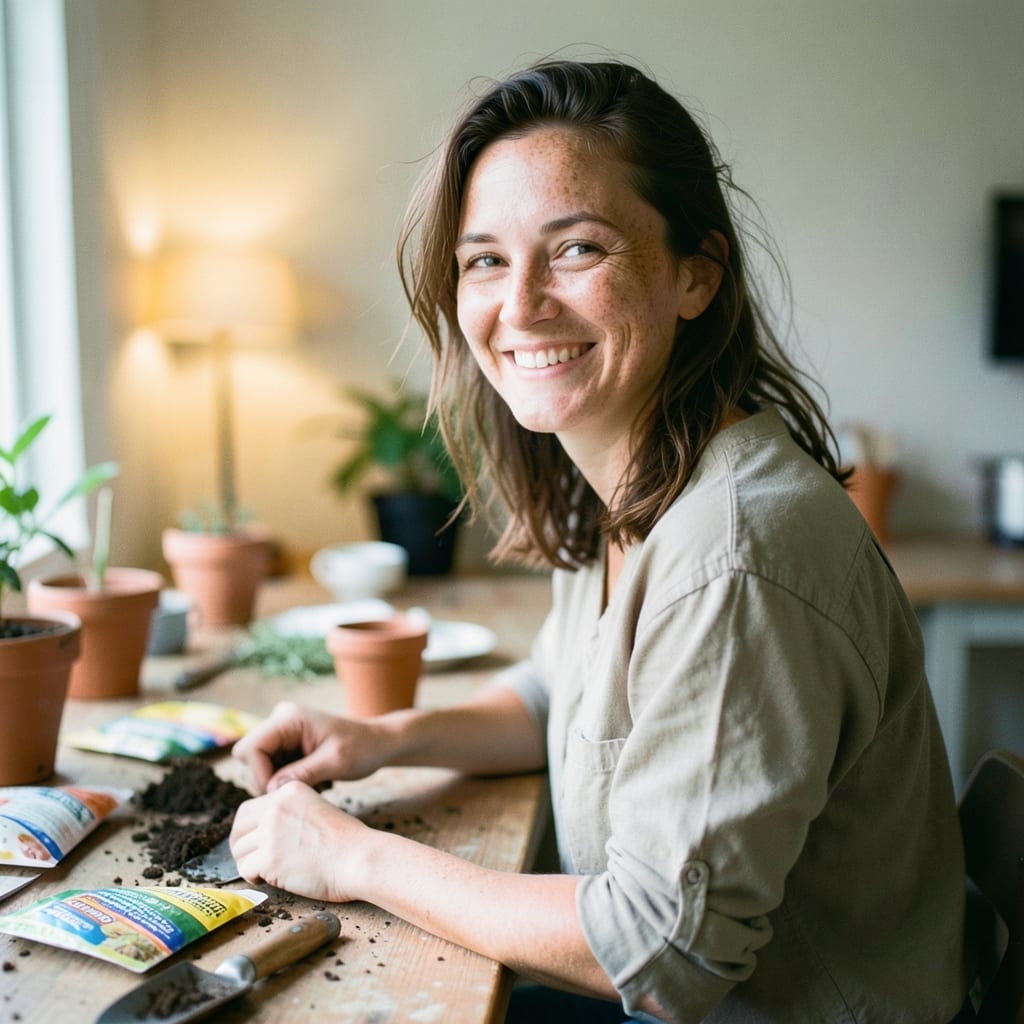
Kirsten Pappas is the founder and editor of *Color Garden Guide*, where she writes about the plants that grow best with minimal fuss—and the ones that don’t.
The rules we work by
- 1No shortcuts for soil
We test soil amendments in real dirt, not sterile mixes. If compost takes six months to break down properly, we’ll say so. If a ‘quick-fix’ fertilizer burns roots in three weeks, it’s not recommended.
- 2Season matters more than season
A plant that thrives in Zone 5’s summer might rot in Zone 9’s heat. We grow the same varieties in different climates to see where they actually perform. If a basil variety only survives one summer in Phoenix, we won’t pretend it’s a miracle worker.
- 3Pests are part of the job
We don’t ignore aphids or squash vine borers. If a plant attracts them relentlessly, we’ll tell you how to spot the first signs—and whether it’s worth the fight. Some battles aren’t worth losing.
- 4Time is real
If a seed takes three months to germinate or a tree needs five years to bear fruit, we’ll say it. No ‘wait and see’—just the timeline you’re actually signing up for.
- 5We fail on purpose
To see what *really* works, we have to push limits. That means overwatering a drought-tolerant plant, planting a shade lover in full sun, and watching what happens. Some experiments cost us plants. Others cost us time. But the ones that work? They’re worth it.
When we break a rule, it’s usually because we’re testing one. Last summer, we planted a row of ‘self-watering’ lettuce in a pot with no drainage—just to see how long it would take to drown. (Answer: three days. Lesson learned: read the fine print.)
This will not be right for everyone
If you’re looking for a garden that requires no effort, no patience, and no willingness to accept failure, close this page. This site is for people who want to grow things—even if it means getting their hands dirty, waiting for results, and sometimes starting over.
If you’re in a climate where the growing season is three weeks long or your soil is so rocky nothing will root, you’ll find better advice elsewhere.
But if you’ve got a patch of earth, a windowsill, or even just a single pot, and you’re willing to learn from mistakes, you’re in the right place.
You could just be told what you want to hear
We could say every plant here is ‘easy,’ every method is ‘foolproof,’ and every garden will look like a magazine spread. But that’s not how it works. What’s worth telling you? That some tomatoes need cages you’ll hate putting up. That certain herbs bolt faster than you can harvest them.
That a ‘disease-resistant’ rose might still get black spot if you water it at the wrong time.
Worth telling you
- When a ‘low-maintenance’ plant actually needs daily deadheading to keep blooming.
- How long it takes to fix a mistake—like planting marigolds too late to deter pests.
- What we’d grow differently if we had to do it all over again (spoiler: some things still fail).
The guides are grouped by category: Advice, Blooming, Fertilization, Flowers, How To and Pests.