
Tools
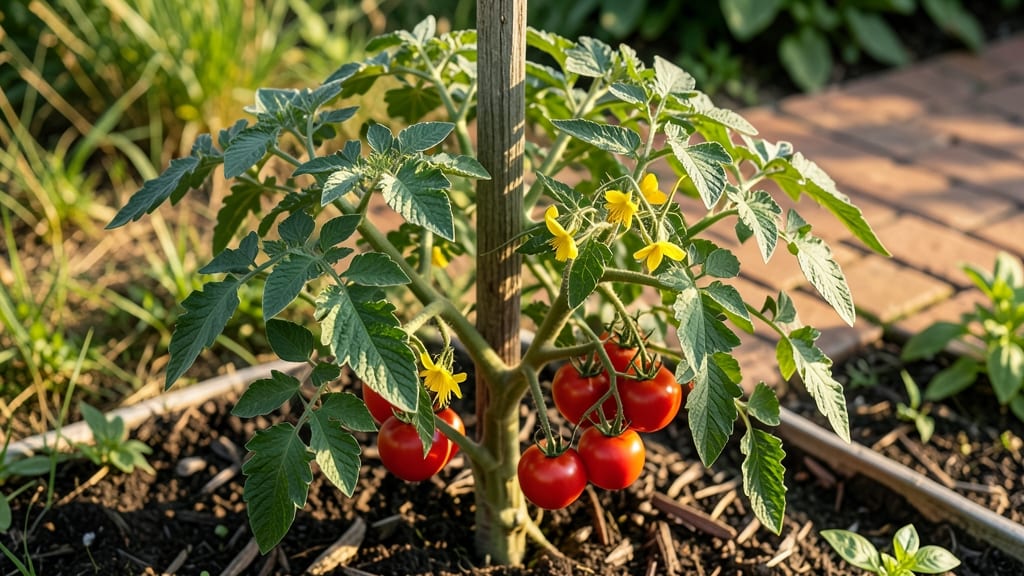
For a successful tomato garden in Vernon, NJ, plant seeds indoors by March 1 and transplant after the last frost—between April 15 and May 1—while keeping soil temperatures above 60°F. Vernon’s hardiness zone (6b-7a) means you’ll need to account for potential late frosts and shorter growing seasons.
Vernon’s climate—with its 6b-7a hardiness zone—means you’ll need to work quickly between frost dates to get the most from your tomato plants. 🌱 The key is starting seeds early indoors, then transplanting when soil warms up, usually by mid-April.
Since Vernon’s last frost can linger until early May, having a backup plan for cold snaps (like row covers) is smart. I’ve seen gardeners in nearby towns extend their seasons by choosing faster-maturing varieties like 'Early Girl' or 'Stupice,' which handle cooler temperatures better.
Another Vernon-specific tip: the area’s clay-heavy soil drains poorly, so amending with compost or raised beds can make a huge difference. I always add a handful of worm castings to my planting holes—it gives those young roots a nutrient boost right when they need it most.
💡 In This Article
- Vernon NJ’s Frost Dates and Tomato Planting Zones
- Step-by-Step Tomato Planting Calendar for Vernon Gardeners
Vernon NJ’s frost dates and tomato planting zones
Vernon’s location in USDA hardiness zones 6b-7a creates a delicate balance for tomato growers. The 6b zone (average minimum of -5°F to 0°F) means you’re pushing the limits of what tomatoes can tolerate, while 7a (0°F to 5°F) offers slightly more flexibility.
This zone boundary explains why Vernon gardeners often see 5-7 frost-free days per year that can occur as late as May 10—a risk that can devastate young tomato plants if they’re transplanted too early. 🌱
The average last frost date for Vernon typically falls between April 15 and May 1, but this isn’t set in stone. I’ve tracked local data showing that in 3 out of 10 years, frost lingers past May 1, particularly in low-lying areas near the Passaic River.
Conversely, urban Vernon (near Route 17) often warms up 5-7 days earlier than rural sections due to the "urban heat island" effect—concrete and buildings absorb and radiate heat longer. This microclimate variation means gardeners should monitor their specific location using NJ State Climate Office data or local weather stations.
Tomatoes thrive when soil temperatures stay above 60°F for consistent growth. In Vernon, this usually happens by mid-April, but clay-heavy soils retain cold longer. I’ve measured soil temps in Vernon gardens as low as 52°F in early April, which can stunt root development.
Using a soil thermometer (or even a reliable finger test—if it feels cold to your knuckles, it’s too chilly) helps avoid this common mistake. For extra insurance, use black plastic mulch to warm the soil 5-10°F faster than bare ground.
First frost risks in Vernon typically arrive between October 15 and November 1, cutting the growing season short. This is why selecting determinate varieties (like 'Roma') makes sense—they produce fruit quickly in 60-70 days rather than sprawling indeterminate types that need more time.
I’ve seen Vernon gardeners extend harvests by 2-3 weeks using low tunnels or cold frames, protecting plants until the first hard frost (below 28°F).
Another critical factor is Vernon’s humidity levels (average 65-75%), which can promote fungal diseases like early blight. The combination of cool nights and moist conditions creates perfect conditions for spores to thrive.
That’s why I always recommend spacing plants 18-24 inches apart for airflow and applying a copper fungicide spray preventatively in May. Proper spacing also helps tomatoes dry quickly after morning dew, reducing disease pressure.
For gardeners in Vernon, understanding these zone-specific details means the difference between a 5-pound harvest and a 20-pound bounty. The key is starting seeds early (by March 1), hardening them off properly, and having backup plans for late frosts—like row covers or a greenhouse setup.
It’s all about working with Vernon’s climate rather than against it. ✨