
Vegetables
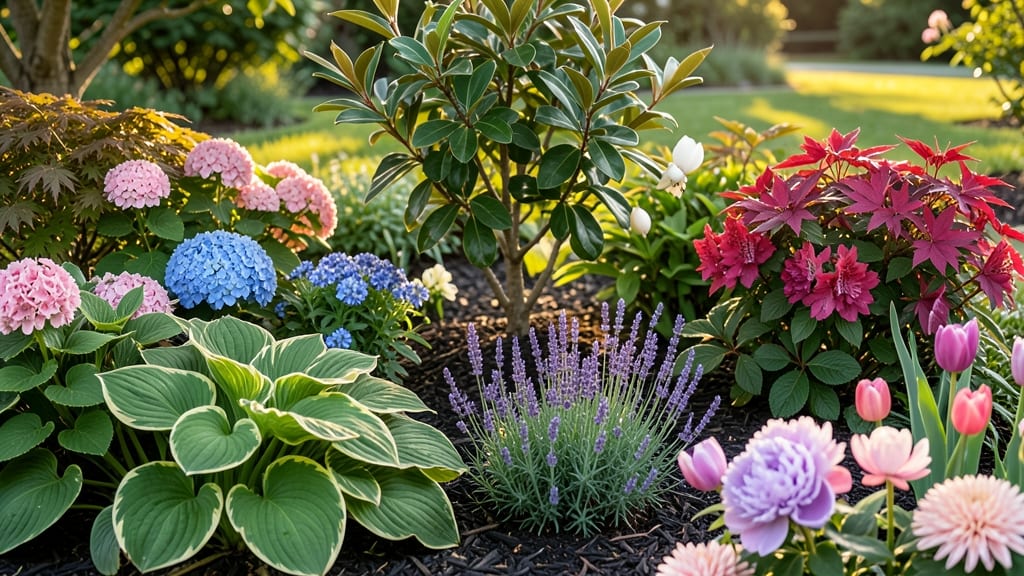
The Toronto Botanical Garden features stunning seasonal displays and hidden gems like the Medieval Garden, rare orchid collections, and the Scented Garden, all designed to deepen your experience beyond the main pathways. Don’t miss the Children’s Garden for hands-on plant learning or the Wildflower Meadow showcasing native species often overlooked in tours.
The Toronto Botanical Garden isn’t just about iconic blooms—it’s a year-round adventure where each season reveals new wonders. 🌿 In spring, you’ll find rare tulips and peonies in the Medieval Garden, while summer transforms the Wildflower Meadow into a pollinator paradise.
The real magic lies in the lesser-known spots: the Scented Garden offers fragrant herbs that change with the seasons, and the Children’s Garden turns learning into play with interactive plant stations. Pro tip: Weekday mornings are quieter, giving you time to explore these hidden treasures without crowds.
What sets this garden apart is its blend of education and discovery.
The Medieval Garden recreates a 14th-century herb layout, while the Scented Garden pairs plants like lavender and rosemary to create sensory experiences. 🌸 For families, the Children’s Garden teaches botany through touch-and-feel activities, and the Wildflower Meadow highlights Ontario’s native species—perfect for eco-conscious visitors.
Even the most seasoned gardeners often leave with new favorites from these off-pathway spots.
💡 In This Article
- Seasonal Plant Highlights in Toronto Botanical Garden
- Hidden Gardens and Themed Spaces Worth the Detour
Hidden gardens and themed spaces worth the detour
The Medieval Garden at Toronto Botanical Garden is a meticulously designed 14th-century herb layout that showcases plants used for medicine, cooking, and dyeing during that era. 🌿 This space features over 100 species arranged in concentric circles, mirroring the layout of monastic gardens from the Middle Ages.
The garden’s soil composition—rich in organic matter and slightly acidic—mimics the conditions of European monastery gardens, allowing plants like rosemary, thyme, and sage to thrive in Toronto’s climate. The use of stone pathways and wooden trellises further enhances the historical authenticity, making it feel like stepping back in time.
The Scented Garden offers a multi-sensory experience by pairing plants with complementary fragrances, such as lavender with rosemary or jasmine with gardenia. 🌸 Each plant is selected not just for its aroma but also for its ability to thrive in Toronto’s humid summers and cold winters.
The garden’s design incorporates windbreaks and raised beds to protect delicate plants, while the strategic placement of fragrant species ensures visitors experience a gradual progression of scents as they walk through.
For example, the morning hours are ideal for visiting, as the dew enhances the natural oils in the petals, intensifying their fragrance.
Families visiting the Children’s Garden will find interactive stations where kids can touch, smell, and even taste plants like mint, strawberries, and sunflowers. 🌱 The garden’s design encourages exploration through sensory pathways, with plants arranged by texture—soft leaves like lamb’s ear, spiky plants like hollyhocks, and edible varieties that teach children about food sources.
This hands-on approach makes botany engaging and memorable, often sparking curiosity about plant life cycles and ecosystems. The garden also hosts seasonal workshops, such as seed bombing or building tiny terrariums, which align with school curricula.
The Wildflower Meadow is a haven for pollinators, featuring over 50 species of native wildflowers like black-eyed Susans, coneflowers, and bee balm. 🐝 This space is designed to support Toronto’s declining bee and butterfly populations by providing continuous blooms from early spring to late fall.
The garden’s soil is left undisturbed to preserve natural microbial communities, and no pesticides are used, allowing beneficial insects to thrive. Visitors often report seeing monarch butterflies and hummingbirds in this area, making it a living classroom for conservation.
To access these hidden gems, start by checking the garden’s seasonal map, which highlights lesser-known areas. 🌿 Weekday mornings are the best time to visit, as crowds are thinner, and the light is softer, making it easier to appreciate the details.
For example, the Medieval Garden is often overlooked because it’s tucked away near the entrance, but its historical charm is well worth the detour. Pro tip: Bring a small notebook to jot down plant names and scents—it enhances the experience and helps you remember the details long after your visit.
What makes these spaces truly special is how they blend education with enjoyment. 💫 Whether you’re a plant enthusiast or a casual visitor, each garden offers a unique way to connect with nature.
The Medieval Garden teaches history, the Scented Garden engages the senses, the Children’s Garden fosters curiosity, and the Wildflower Meadow promotes ecological awareness. Together, they transform a simple garden visit into an immersive journey.