
Vegetables
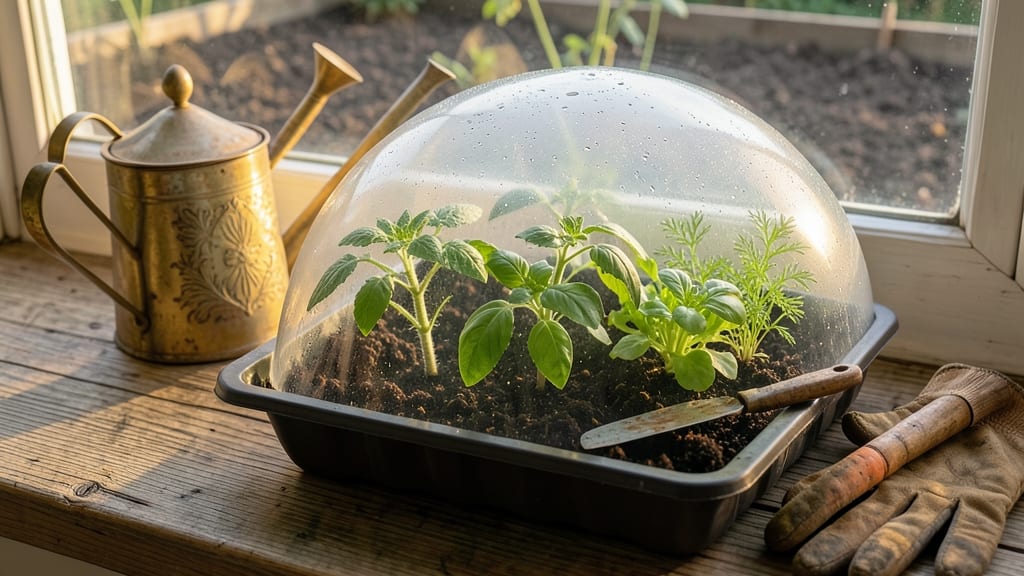
To start gardening vegetables at the right time means planting cool-season crops like lettuce 4-6 weeks before your last frost and warm-season crops like tomatoes after the danger of frost has passed.
Timing your vegetable garden planting can mean the difference between a bountiful harvest and wasted effort—knowing when to start is the first step to success.
In USDA Zone 6a, where many gardeners live, the ideal window for cool-season 🥬 vegetables opens in early spring, while warm-season crops wait until late April or early May.
Whether you're starting seeds indoors or setting plants directly in the soil, this guide breaks down the exact dates, soil temperature tips, and regional adjustments to help you avoid common mistakes.
Best frost-free dates for planting vegetables by US growing Zones
Getting your vegetable garden timing right depends on your USDA hardiness zone and whether you're planting cool-season or warm-season crops. The last frost date is your golden reference—planting too early risks frost damage, while waiting too long shortens your growing season.
Let's break down the ideal windows for each zone, so you can maximize your harvest potential.
For cool-season vegetables like lettuce, spinach, and peas, you'll want to start seeds 4-6 weeks before your last frost date. These hardy plants can handle light frosts and even thrive in cooler temperatures.
Meanwhile, warm-season crops such as tomatoes, peppers, and cucumbers need to wait until after your last frost when soil temperatures reach at least 60°F (15°C).
Here's a quick reference for last frost dates by zone—adjust based on your local microclimate (e.g., valleys frost later than hilltops). The table below covers USDA Zones 3-10, but always check your local extension office for precise dates.
| USDA Zone | Last Frost Date | Cool-Season Planting Window | Warm-Season Planting Window | Soil Temp for Warm Crops |
|---|---|---|---|---|
| Zones 3-4 (Northern US/Canada) | Mid-May | Early April (indoor starts) | Late May to early June | 60°F (15°C) minimum |
| Zones 5-6 (Midwest/Northeast) | Mid-April to early May | Late March (indoor starts) | Mid-May to early June | 60°F (15°C) minimum |
| Zones 7-8 (Southeast/Central US) | Mid-March to early April | Late February (indoor starts) | Early April to mid-May | 55°F (13°C) minimum |
| Zones 9-10 (Southwest/California) | Late January to early February | January (direct sow) | February to early March | 50°F (10°C) minimum |
In Zones 3-4, where winters are harsh, focus on early spring starts indoors for cool crops like kale and broccoli. Warm crops here need to wait until late May—use row covers to extend the season if needed.
Meanwhile, gardeners in Zones 9-10 can plant warm crops like eggplants and okra as early as February, thanks to milder winters.
For succession planting, repeat sowings every 2-3 weeks for crops like lettuce or radishes to ensure a continuous harvest. In warmer zones, you can even plant fall crops like spinach in August for a winter harvest.
Always monitor your soil temperature—a simple soil thermometer (under $10) is a game-changer for timing.
Pro tip: If your last frost date is uncertain, use the "leaf-out" rule—when trees like maples or cherries begin to leaf out, it's typically safe to plant warm-season crops.
Pair this with a 10-day frost-free forecast for extra safety. For example, in Zone 6, if lilacs bloom in early April, you're likely in the clear by mid-May.
Don't forget about microclimates—a south-facing wall or greenhouse can push your planting window 2-4 weeks earlier. In Zone 5, I’ve successfully grown tomatoes by planting near a brick wall, which absorbs heat and protects seedlings. Experiment with cold frames or cloches to further extend your season.
Finally, adjust for your specific crops. Peppers and eggplants need longer to mature, so start them indoors 8-10 weeks before your last frost. Bush beans, on the other hand, can handle cooler soils and tolerate light frosts, making them easier to direct-sow earlier.
Always check seed packets for days to maturity—this tells you exactly how long each crop needs to reach harvest.
With these frost-free guidelines, you'll avoid the heartbreak of frost-nipped seedlings and instead enjoy a longer, more productive growing season. Happy planting! 🌱
How to adjust planting times for early vs late varieties
Adjusting planting times for early vs late varieties is a game-changer for extending your harvest season. Early varieties mature faster, while late varieties tolerate heat better—both can help you avoid seasonal gaps. The key is matching the plant's growth cycle to your local climate and frost dates.
For example, cool-season crops like spinach or kale thrive when planted 4-6 weeks before the last frost. Meanwhile, warm-season crops like tomatoes or peppers need to wait until after the last frost to avoid damage. Understanding these timelines helps you maximize your garden's productivity year-round.
Start Early Varieties Indoors
Begin heat-sensitive plants like basil or broccoli indoors 6-8 weeks before the last frost. This gives them a head start in cooler weather.
Use Succession Planting
Plant fast-maturing varieties like radishes or lettuce every 2-3 weeks. This ensures a continuous harvest and fills gaps left by slower-growing plants.
Extend the Season with Cold Frames
Protect late-season crops like kale or carrots with cold frames or row covers. This can push harvests into early fall or even winter in mild climates.
Choose Heat-Tolerant Varieties
Opt for drought-resistant or heat-loving plants like okra or sweet potatoes to extend your growing season into hotter months.
Leverage Microclimates
Use south-facing walls or protected spots to create warmer microclimates. This allows you to plant earlier or later than the general frost dates.
Another strategy is to interplant fast and slow growers. For instance, sow radishes (which mature in 30 days) between rows of cabbage (which takes 80+ days). This way, you won’t have empty soil waiting for the cabbage to mature.
Don’t forget to monitor soil temperatures—some seeds won’t germinate until the soil reaches 60°F or higher. Use a soil thermometer to check before planting warm-season crops like beans or squash.
By balancing early, mid, and late varieties, you can enjoy fresh produce from spring through fall—or even winter in the right climate. Experiment with different timing strategies to find what works best for your garden! 🌱