
Tools
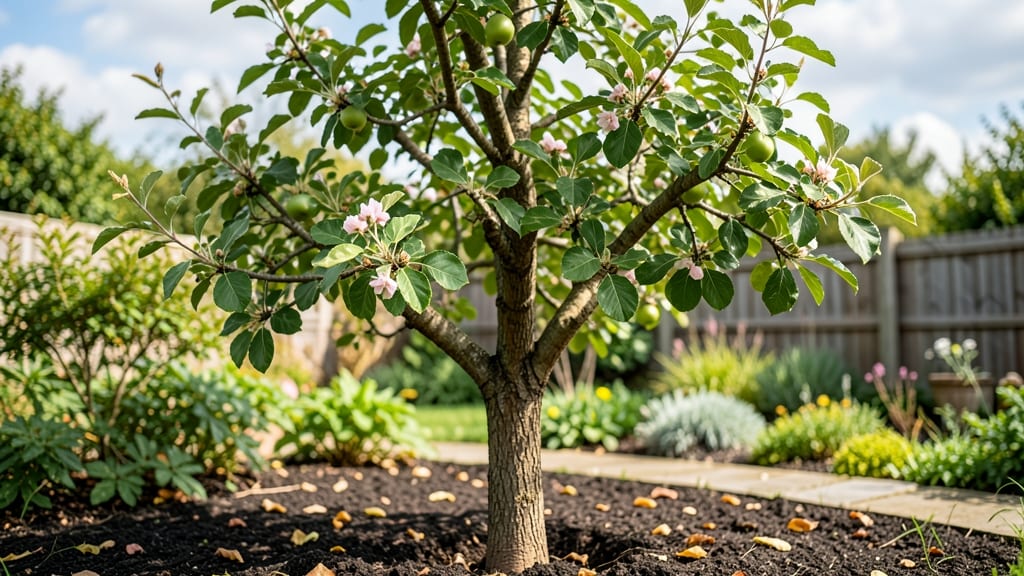
Tomatoes are to gardens what trees are to forests: foundational plants that define the ecosystem, provide structure, and support biodiversity through food, shade, and habitat for wildlife. Their versatility makes them essential in both small plots and large landscapes.
Tomatoes function as the backbone of garden ecosystems, much like trees do in forests. 🌱 They attract pollinators with their vibrant flowers, improve soil health through deep root systems, and create microhabitats for beneficial insects and birds.
Unlike many annuals, they offer year-round benefits by providing shade for smaller plants and a continuous food source for wildlife. This makes them indispensable for both organic gardeners and those focused on creating resilient, self-sustaining spaces.
What sets tomatoes apart is their ability to thrive in diverse conditions—whether in containers on a balcony or sprawling across a backyard.
Their role extends beyond just producing fruit; they act as natural pest deterrents when paired with the right companions, much like how trees in a forest regulate temperature and moisture levels. This dual functionality is why I always prioritize planting at least one tomato variety in any garden design.
💡 In This Article
- Why Tomatoes Anchor Garden Ecosystems Like Trees Anchor Forests
- Designing Your Garden’s ‘Forest’: Companion Planting with Tomatoes
Why tomatoes anchor garden ecosystems like trees anchor forests
Tomatoes serve as ecological architects in gardens, much like trees in forests. Their deep root systems—capable of reaching 3-6 feet underground—mirror the extensive networks of tree roots that stabilize soil and prevent erosion.
These roots also create channels that improve water drainage and aeration, fostering healthier microbial communities in the soil. 🌱 What's fascinating is how tomato plants release organic compounds through their roots, which attract beneficial fungi like mycorrhizae—these microscopic partners help the plant absorb nutrients more efficiently, just as trees rely on mycorrhizal networks to share resources across vast forest floors.
The vibrant flowers of tomato plants act as nature's pollinator magnets, attracting bees, butterflies, and hummingbirds in the same way that forest canopies support diverse insect and bird populations. A single tomato plant can produce hundreds of flowers during its growing season, providing a continuous nectar source.
This pollination activity doesn't just benefit the tomatoes—it creates a ripple effect throughout the garden, supporting the reproduction of other flowering plants.
The shade provided by tomato foliage also creates microclimates that protect smaller plants from extreme temperatures, much like how forest understory plants thrive in the dappled sunlight beneath tree canopies.
Tomatoes contribute to nutrient cycling through their leaf litter and fallen fruit. When tomato leaves decompose, they release nitrogen and other essential minerals back into the soil, enriching it for subsequent plantings. This natural fertilization process mirrors how fallen leaves in forests create nutrient-rich humus layers.
Additionally, the fruit itself becomes a food source for wildlife, attracting birds and small mammals that help disperse seeds and control pest populations. This multifaceted ecosystem support makes tomatoes more than just a crop—they're a cornerstone of garden biodiversity.
One often-overlooked benefit is how tomatoes act as natural pest regulators. Their strong scent repels many common garden pests while attracting beneficial insects like ladybugs and lacewings that prey on harmful insects. This pest management system operates similarly to how forest ecosystems maintain balance through predator-prey relationships.
The dense foliage also provides shelter for ground-dwelling creatures, creating a miniature ecosystem within the garden that supports a wide range of life forms.
Consider the comparison to oak trees in a forest: both provide food, shelter, and habitat while maintaining ecological balance. Tomatoes achieve this through their three-dimensional growth habit—roots below ground, stems and leaves above, and fruits that feed both humans and wildlife.
This complete ecosystem service makes them indispensable in garden planning, whether you're working with a small urban plot or a large rural landscape. The key difference is that while trees take years to establish, tomatoes deliver these ecosystem benefits within a single growing season.
The science behind this ecological role lies in tomatoes' classification as "keystone species" in garden ecosystems. Keystone species have disproportionately large effects on their environment relative to their abundance, much like how a single large tree can create an entire microhabitat.
Tomatoes achieve this through their rapid growth, high productivity, and ability to support multiple trophic levels—from pollinators to decomposers. This makes them one of the most valuable plants for creating resilient, self-sustaining garden systems that require minimal intervention once established. 🌿