
Tools
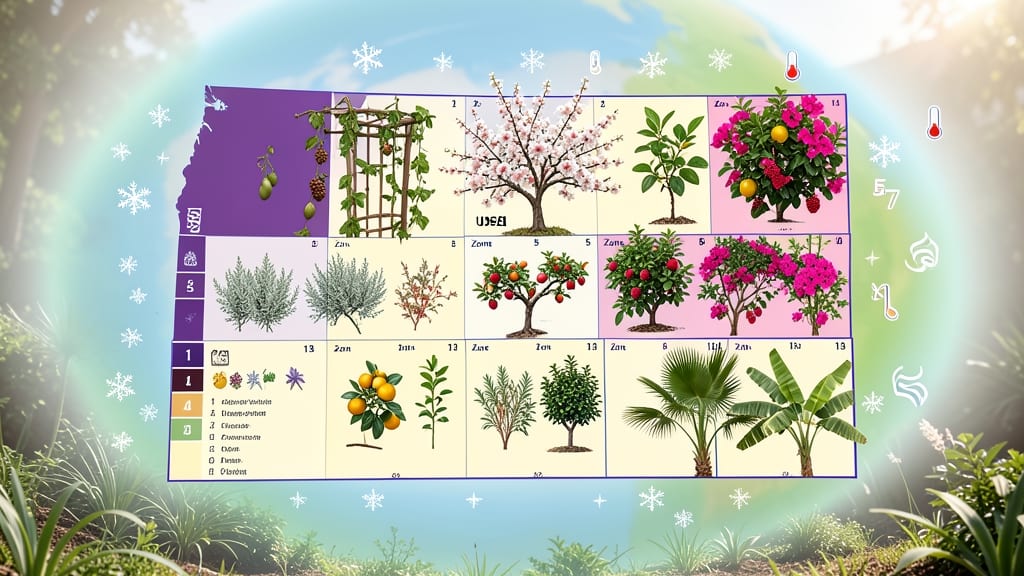
The USDA Gardening Zones 2025 update reflects rising temperatures, shifting the coldest zones (like Zone 3) northward by up to 2.5°F, while warmer zones (Zone 10+) expand in southern regions. This means traditional hardiness ratings may no longer align with local microclimates, requiring gardeners to verify new zone maps before planting perennial crops or cold-sensitive species like citrus or blueberries.
The 2025 USDA Gardening Zones reflect a decade of climate data, showing how warming trends have pushed growing seasons earlier and expanded heat-sensitive zones. 🌱 For example, Zone 4 now includes areas that were previously Zone 5, while Florida's Zone 10 now extends slightly farther north.
This shift means gardeners in transitional areas should test soil conditions and monitor local weather patterns—what worked in Zone 6 last year might now be too cold for Zone 7 plants.
What’s especially important is how these changes interact with microclimates. A backyard near a lake or urban heat island could still experience conditions that differ from the official zone designation.
The USDA now recommends using their interactive map tool to pinpoint your exact location, as even small adjustments in elevation or proximity to water can create significant differences in planting success.
For perennials and sensitive crops, this update is a game-changer. Plants like peonies or blueberries that thrived in Zone 5 might now struggle there, while Zone 7 gardeners can safely try varieties previously limited to Zone 8.
The key takeaway? Always double-check before planting—your local nursery’s advice might not match the new zone boundaries.
💡 In This Article
- How Climate Change Reshaped USDA Plant Hardiness Maps 2025
- Practical Steps to Adjust Your Garden for 2025 USDA Zones
How climate change reshaped USDA plant hardiness maps 2025
The 2025 USDA Plant Hardiness Zone Map isn't just an update—it's a reflection of how climate change has fundamentally altered growing conditions across the country.
Scientists analyzed 30 years of temperature data (2006-2025) instead of the previous 1991-2020 baseline, revealing that average minimum winter temperatures have risen by 1.2°F to 2.5°F in many regions.
This shift is most pronounced in the Midwest and Northeast, where Zone 3 areas now extend 50-100 miles north of their 2012 counterparts. 🌡️
At the core of these adjustments is the "degree-day" calculation—a measure of how much heat plants accumulate during growing seasons. The USDA now uses 30-year averages instead of shorter periods, which smooths out short-term fluctuations but clearly shows long-term warming.
For example, what was once considered Zone 5 in Minnesota might now be Zone 4, while Florida's Zone 10 has expanded slightly inland.
The science behind this involves complex modeling of how heat islands in cities and coastal breezes create localized variations that can differ by 5°F or more from official zone boundaries.
What's surprising is how these changes vary by region. The Midwest saw the most dramatic shifts, with some areas moving two full zones warmer (e.g., parts of Wisconsin now align with southern Michigan's previous climate). Meanwhile, the Northeast experienced more modest changes, with only 1-1.5°F shifts in many areas.
The Southeast remains relatively stable, but even there, microclimates near large bodies of water can create exceptions—like a Zone 8 backyard in Georgia that feels more like Zone 7 due to lake breezes.
For gardeners, this means traditional hardiness ratings for perennials and fruit trees may no longer apply. A 'Zone 5' peony that thrived in your garden last year might now struggle in what was previously its ideal range.
The USDA's new interactive map accounts for these shifts by incorporating elevation data and local weather stations, but it still can't capture every backyard's unique conditions. That's why they recommend using the map as a starting point, then adjusting based on your specific microclimate.
Here's what the data shows about specific crops: Blueberries, which need chilling hours below 45°F, are now struggling in areas that were previously safe for them. Meanwhile, citrus trees that required Zone 9+ protection can now grow in parts of Zone 8 along the Atlantic coast.
The key factor? Winter lows—what matters most is whether your area experiences consistent sub-20°F temperatures for extended periods, which the new zones now reflect more accurately.
What most gardeners don't realize is how these changes interact with planting timing. Warmer zones mean earlier springs, which can lead to false starts if you plant too soon.
The USDA now recommends checking local frost dates alongside zone maps, as some areas may experience 10-14 days earlier last-frost dates than the official zone suggests. For example, a Zone 6 gardener in upstate New York might now see 30% more growing days in their season compared to 2012 standards.