I’ve always had a green thumb—whether it was sneaking seeds from my grandmother’s garden as a kid or turning my apartment balcony into a jungle of herbs and blooms. There’s nothing quite like the quiet joy of watching something grow from a tiny seed into something vibrant and alive. This site is my way of sharing the lessons I’ve learned along the way: the simple tricks that make gardening easier, the plants that thrive with minimal fuss, and the little moments that make the work worth it. If you’re just starting out or have been tending gardens for years, I hope you’ll find something here to inspire your next harvest.
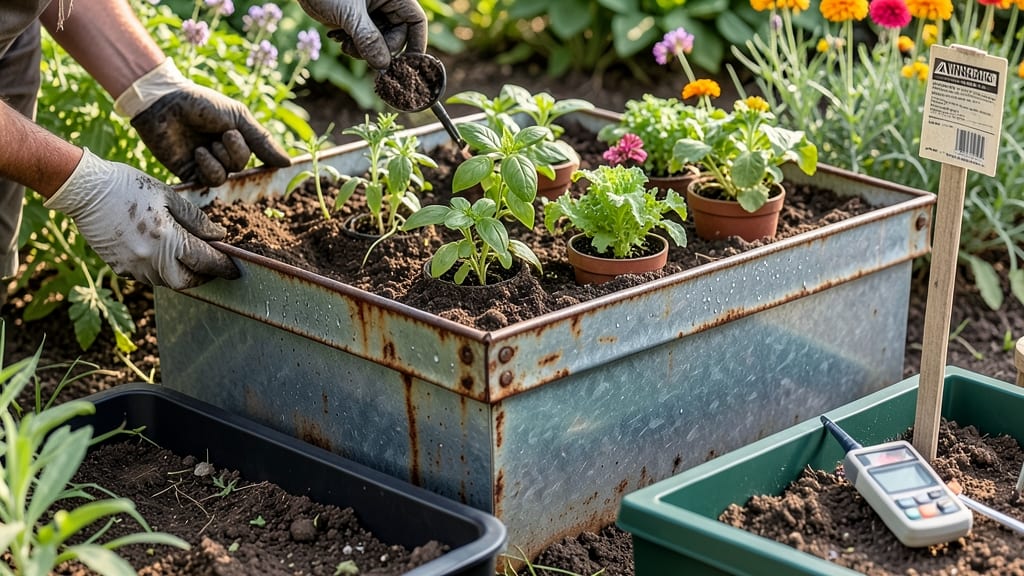
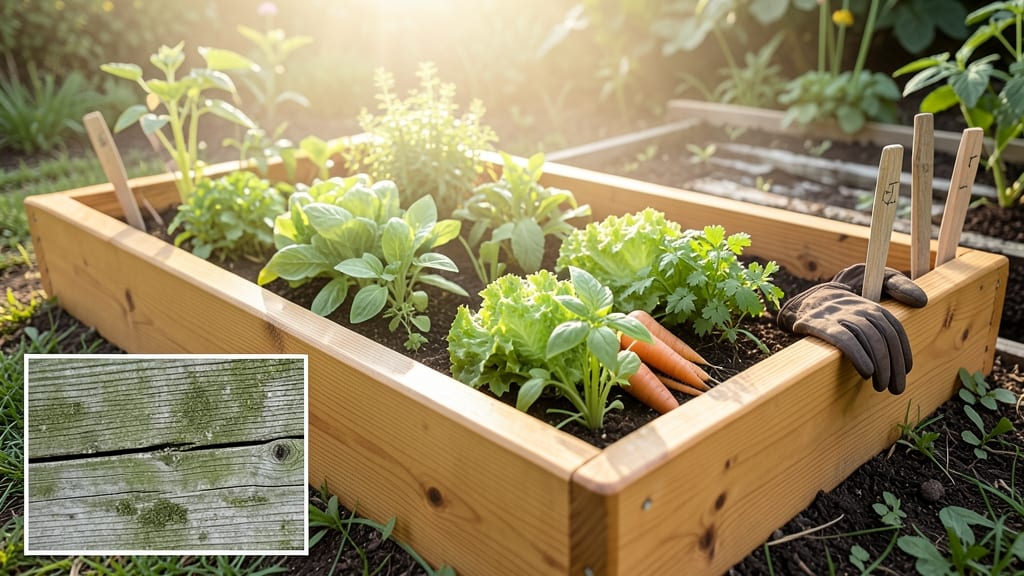
💥 Quick Answer Galvanized steel is not safe for garden beds because its zinc coating can leach into soil over time, potentially harming plants and contaminating groundwater. Opt for non-toxic alternatives like untreated…
💥 Quick Answer Gardening counts as good exercise because it works your entire body, torches 200–400 calories per hour , and builds strength through repetitive motions like bending, lifting, and reaching. The physical…
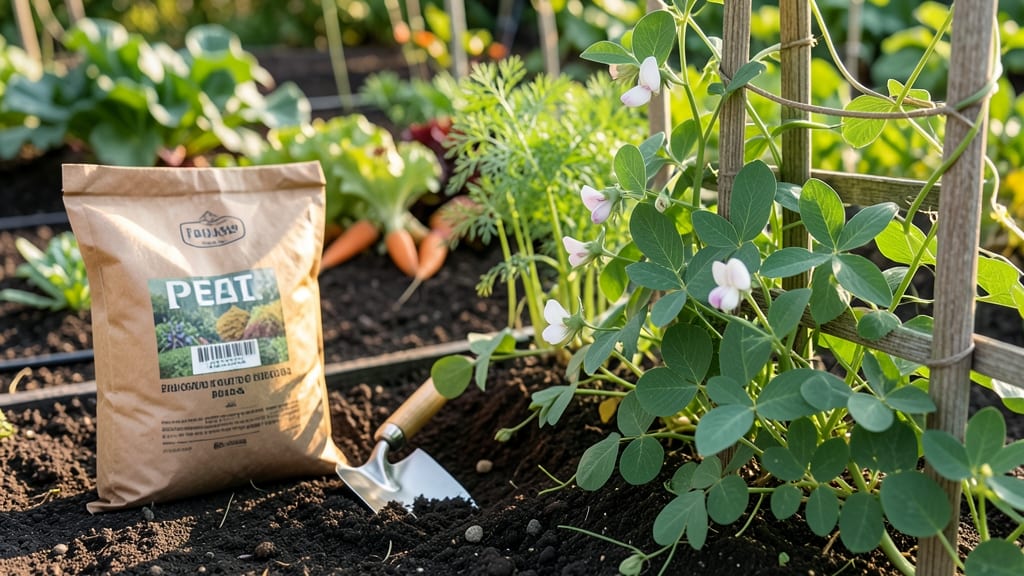
💥 Quick Answer Peat moss is good for vegetable gardens because it boosts soil structure by improving drainage and moisture retention while adding organic nutrients, though its acidic properties and sustainability issues…
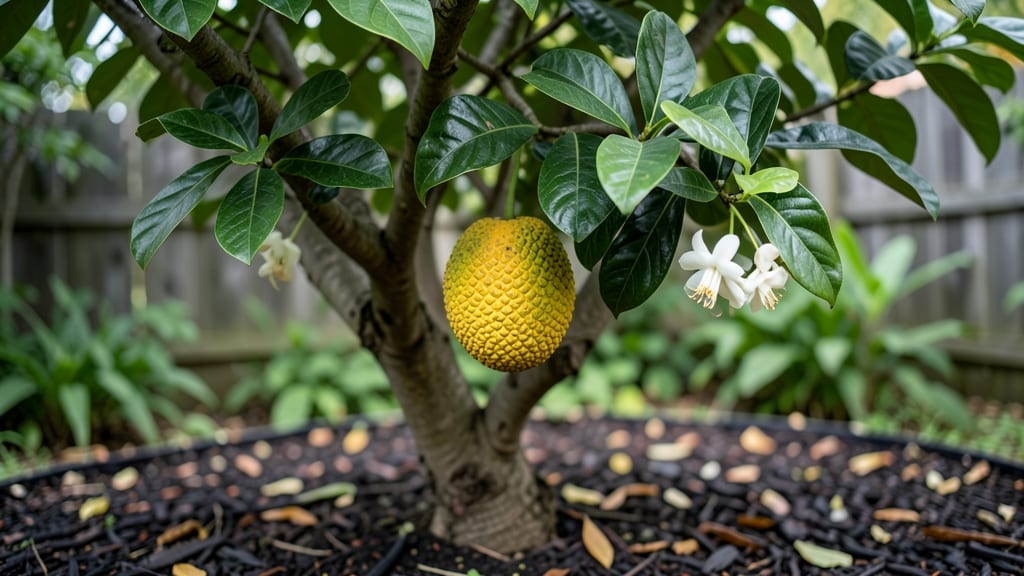
💥 Quick Answer Yes, is sugar apple a tropical fruit you can grow in a garden if you provide the right conditions, requiring USDA zones 10-12 or container cultivation in cooler regions. Its delicate nature demands high…
💥 Quick Answer Using treated wood in gardens is generally safe only with modern ACQ (alkaline copper quat) , MCQ (micronized copper quat) , or CA-B (copper azole type B) preservatives , as these release minimal harmful…
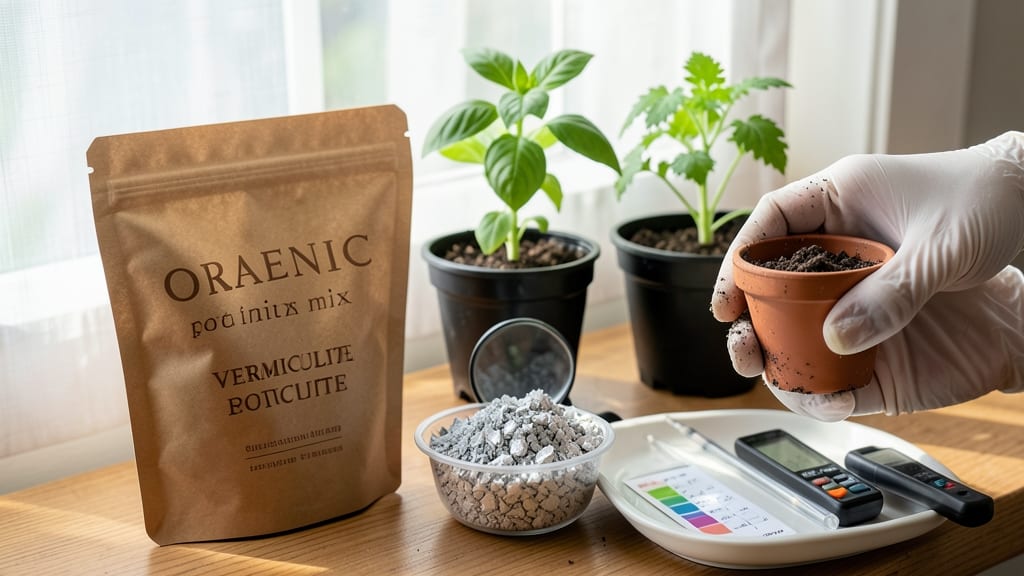
💥 Quick Answer Vermiculite can be dangerous in gardening if it contains asbestos, a toxic mineral that causes severe lung damage when inhaled. Always verify your product is asbestos-free and handle it with a mask to…
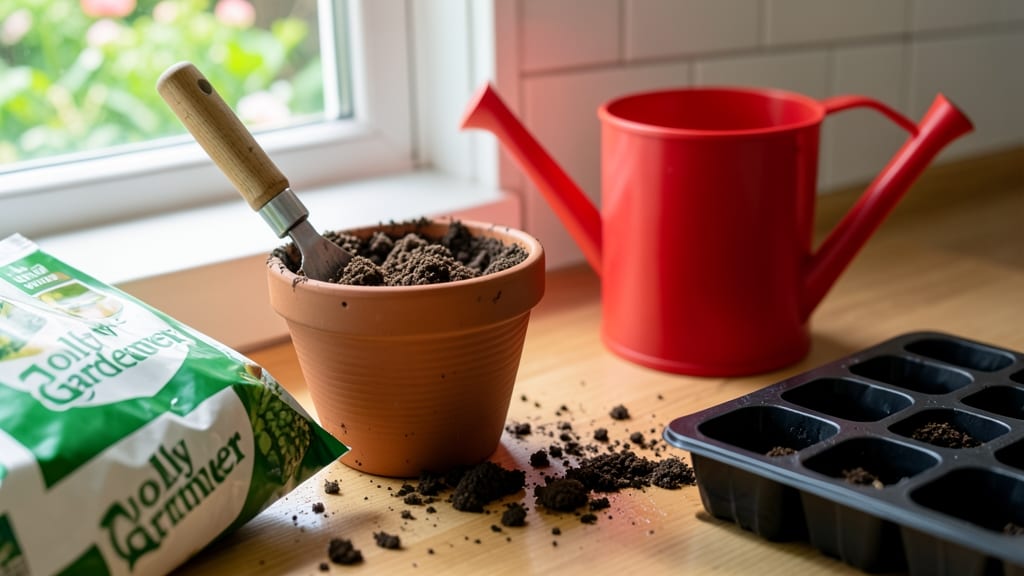
💥 Quick Answer Jolly Gardener potting soil creates an airy, moisture-retentive blend perfect for container gardening by combining lightweight peat moss, perlite, and composted materials, which promote root health and…
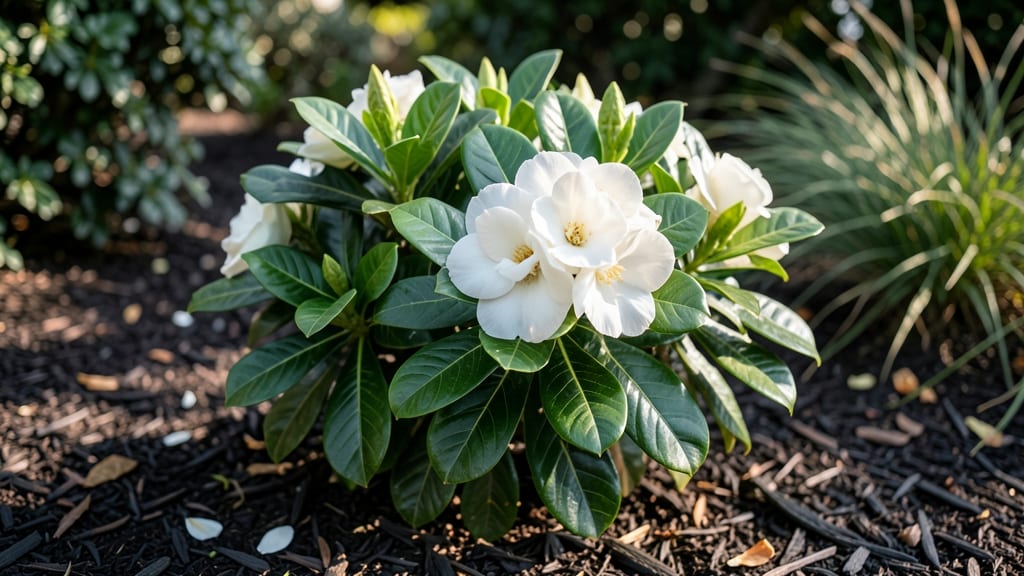
The jubilation gardenia growth rate is nothing short of remarkable—this fragrant beauty transforms from a tiny cutting into a lush, snow-white shrub in just a few seasons when given the right care. If you’ve ever dreamed…
💥 Quick Answer Understanding Kentucky gardening zones helps you know whether you're in USDA Zones 5a through 7b, with most areas landing in 6a-7a—critical for timing frost-sensitive plants like tomatoes and peonies…
💥 Quick Answer King crabs can grow a garden by planting cold-hardy vegetables and flowers in late summer or early fall to avoid frost damage, with zone-specific deadlines ranging from late August in Zone 5 to October in…