
Vegetables
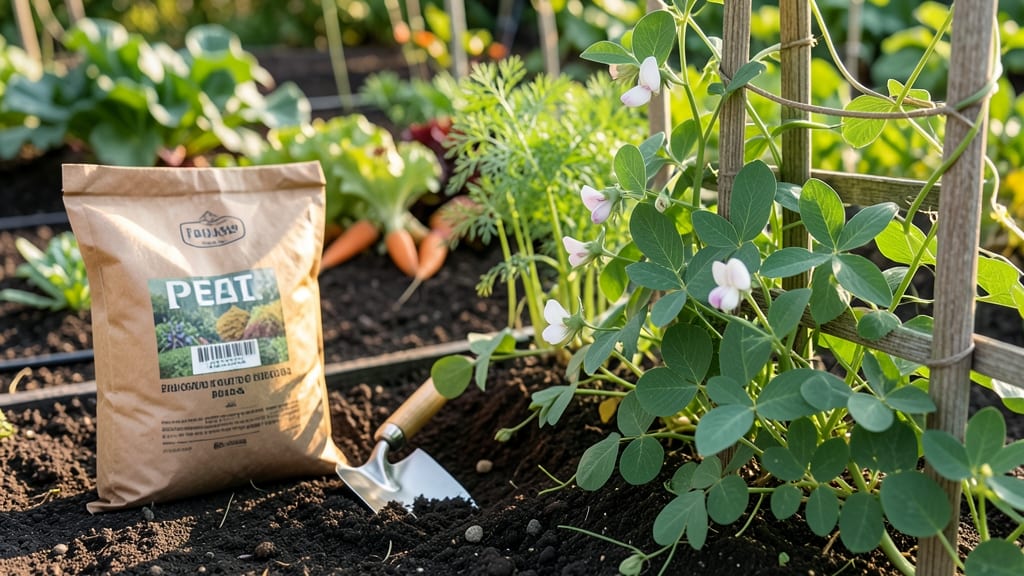
Peat moss is good for vegetable gardens because it boosts soil structure by improving drainage and moisture retention while adding organic nutrients, though its acidic properties and sustainability issues often require balancing with compost or lime for healthy plant growth.
Peat moss works wonders for vegetable gardens by acting like a sponge, holding water near roots while preventing soggy soil that can suffocate plant roots. 🌱 The challenge? Its naturally acidic pH (around 3.5-4.5) can stunt growth in many vegetables, which prefer neutral to slightly acidic soil (6.0-7.0).
That's why I always mix it with compost or lime—it keeps the benefits without harming your plants. Plus, with growing concerns about peat moss's environmental impact, I'm shifting toward sustainable alternatives like coconut coir or well-aged compost for long-term garden health.
For best results, use peat moss in layers or blend it with other amendments like perlite or vermiculite to improve aeration. This creates the perfect environment for vegetables to thrive while minimizing risks.
The key is balance—too much peat moss can lock out nutrients, while too little won't provide the structural benefits you need.
💡 In This Article
- How Peat Moss Enhances Vegetable Garden Soil Structure
- Sustainable Alternatives and Best Practices for Vegetable Gardens
How peat moss enhances vegetable garden soil structure
Peat moss works like a soil supercharger by creating tiny air pockets that improve aeration while holding water up to 4-6 times its dry weight. This sponge-like structure prevents waterlogging, which is crucial for root vegetables like carrots and potatoes that need well-drained soil.
The fibrous texture also prevents soil compaction, allowing roots to spread easily—something especially valuable in heavy clay soils where roots often struggle to penetrate. 🌱 Unlike sand, which drains too quickly, or clay, which holds water too tightly, peat moss strikes a balance that keeps moisture available without suffocating roots.
The magic happens at the molecular level. Peat moss contains humic acids that bind to nutrients like nitrogen and phosphorus, slowly releasing them as plants need them—a process called "cation exchange." This gradual nutrient delivery supports steady growth, particularly for leafy greens like lettuce and spinach that require consistent feeding.
However, its pH of 3.5-4.5 is where things get tricky: many vegetables thrive in neutral soil (pH 6.0-7.0). Tomatoes, for example, may show stunted growth or yellowing leaves if planted in unamended peat moss, while blueberries (which prefer acidic soil) would actually benefit.
When comparing peat moss to alternatives, coconut coir offers similar water retention but with a neutral pH, while compost adds nutrients without the acidity issue. The key difference? Peat moss improves soil structure physically by creating air pockets, whereas compost primarily enriches soil chemically through decomposed organic matter.
For optimal results, I recommend mixing 20-30% peat moss with 70-80% compost or garden soil—this dilutes the acidity while maintaining the structural benefits.
One often-overlooked benefit is peat moss's ability to suppress weeds by creating a dense mat that blocks sunlight. This natural weed control is particularly useful in raised beds where you want to minimize manual weeding.
However, the trade-off is its slow decomposition rate—peat moss can take years to break down, unlike compost which decomposes within months. For container gardens, peat moss's lightweight nature makes it ideal for potting mixes, where it prevents soil from becoming waterlogged during heavy rains.
For vegetable gardens, the best approach depends on your specific crops. Root vegetables like beets and radishes benefit from peat moss's loose structure, while fruiting plants like peppers may need additional calcium to counteract the acidic environment.
Always test your soil's pH before adding peat moss—if it's already acidic, consider alternatives like pine bark fines or leaf mold, which provide similar structure without lowering pH further. The goal is to create a soil environment where your vegetables can access both water and nutrients without stress.
What most gardeners don't realize is that peat moss's benefits extend beyond the growing season. During winter, its insulating properties protect plant roots from temperature fluctuations, which is especially valuable in regions with freeze-thaw cycles.
This makes it a smart investment for perennial vegetable gardens where long-term soil health matters most. 💫