
How To
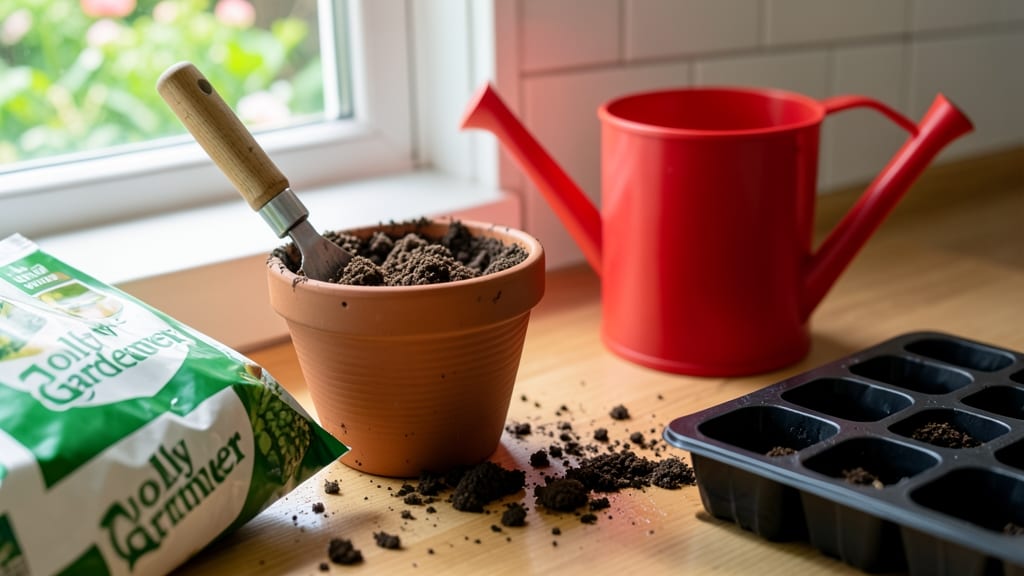
Jolly Gardener potting soil creates an airy, moisture-retentive blend perfect for container gardening by combining lightweight peat moss, perlite, and composted materials, which promote root health and prevent compaction in pots.
This premium blend stands out because its unique ingredient ratio—peat moss for moisture retention, perlite for aeration, and compost for nutrients—makes it far more effective than standard garden soil for potted plants. 🌱 Unlike heavy garden soil, which compacts easily in containers, this mix stays loose, allowing roots to breathe while holding just enough moisture to prevent drought stress.
I've found it especially valuable for herbs, vegetables, and flowering plants that thrive in well-draining environments.
For best results, use this soil in containers with drainage holes and avoid overwatering—its moisture-retentive properties mean it holds water longer than you might expect. If you're planting moisture-loving plants like ferns or calatheas, consider mixing in a bit of sand to improve drainage further.
💡 In This Article
- Key Ingredients in Jolly Gardener Potting Mix
- Best Plants and Containers for Jolly Gardener Soil
Key ingredients in Jolly Gardener potting mix
The foundation of Jolly Gardener's effectiveness lies in its peat moss, which makes up about 40-50% of the blend. This fibrous material holds 3-5 times its weight in water while staying loose, creating a sponge-like environment that keeps roots consistently moist without drowning them.
Unlike garden soil, which compacts easily in pots, peat moss maintains its airy structure even when wet, allowing oxygen to reach roots—a critical factor for container plants that can't spread their roots freely. 🌱
The perlite (typically 20-30% of the mix) serves as the soil's "breathing room," adding tiny glass beads that prevent compaction and improve drainage. These lightweight particles create microscopic air pockets throughout the mix, which is especially valuable for plants sensitive to soggy conditions like herbs and succulents.
What's fascinating is how perlite also acts as a thermal insulator—it helps maintain more stable soil temperatures, protecting delicate roots from temperature fluctuations that can occur in small containers.
Composted materials (around 20-30%) provide the nutrient boost that distinguishes this mix from basic potting soils. These organic components break down slowly, releasing essential nutrients like nitrogen, phosphorus, and potassium over time—typically providing 3-6 months of balanced nutrition for most container plants.
The compost also improves soil structure by binding the other ingredients together while adding beneficial microbes that promote root health. This is why you'll often see stronger growth in plants using this mix compared to sterile potting soils.
What makes this blend particularly smart for containers is the absence of heavy clay found in garden soil. Clay particles pack tightly when wet, creating anaerobic conditions that suffocate roots.
Jolly Gardener's lightweight composition prevents this compaction entirely, which is why it's especially recommended for small pots (under 5 gallons) where drainage and aeration become critical.
The mix's bulk density (weight per unit volume) is typically 20-30% lower than garden soil, making it ideal for lightweight containers that might tip over when saturated.
The science behind this ratio becomes even clearer when you consider how different plants respond. For example, herbs like basil and parsley thrive in this mix because the perlite prevents root rot while the compost provides steady nitrogen for leaf growth.
Meanwhile, succulents and cacti benefit from the excellent drainage—water moves through the mix quickly enough to prevent the root rot they're particularly susceptible to. This versatility is what makes Jolly Gardener a go-to choice for container gardeners with diverse plant collections. ✨
One often-overlooked benefit is how this mix reduces transplant shock for young plants. The consistent moisture retention and aeration create an ideal environment for new roots to establish quickly, which is why many nurseries recommend it for seedlings.
The pH balance typically falls between 5.5-6.8, making it suitable for most container plants without requiring additional amendments for acid-loving species like blueberries or azaleas. 💫