
Size
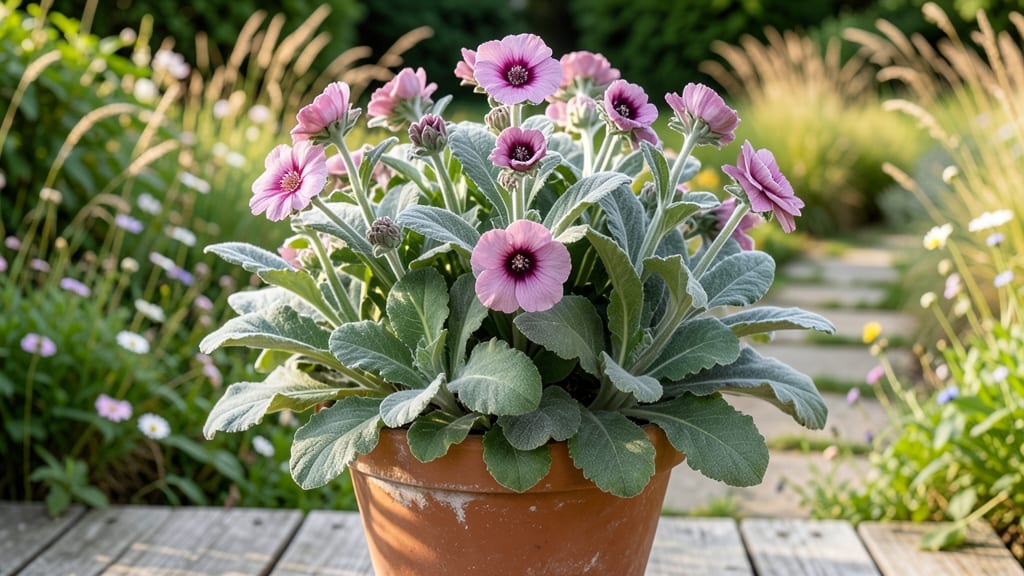
King crabs can grow a garden by planting cold-hardy vegetables and flowers in late summer or early fall to avoid frost damage, with zone-specific deadlines ranging from late August in Zone 5 to October in Zone 9. Focus on fast-maturing crops like kale, spinach, and pansies for best results.
Growing a late-season garden with king crabs in mind means working with nature's timeline rather than against it. 🌱 The key is selecting plants that mature quickly enough to harvest before the first hard frost—typically within 45-60 days.
I've found that leafy greens like spinach and arugula thrive in cooler temperatures, while flowers such as pansies add color without competing for nutrients. Microclimates near water sources or south-facing walls can extend your growing window by 2-3 weeks, so always scout your yard before planting.
For best results, prioritize varieties bred for short seasons.
For example, 'Winterbor' kale matures in just 50 days and withstands light frosts, while 'Early Wonder' peas produce edible pods in 60 days. 💫 These cold-tolerant choices let you enjoy fresh harvests even as temperatures drop, proving that late-season gardening isn't just possible—it's productive.
💡 In This Article
- How USDA Planting Zones Affect Garden Planting Timelines
- Best Fast-Growing Plants for Fall King Crab Gardens
How USDA planting zones affect garden planting timelines
The USDA Planting Zone Map divides North America into 13 zones based on average minimum winter temperatures, each shifting your frost-free window by about 5°F.
For example, Zone 5 (average -20°F to -10°F) has a final planting deadline around late August, while Zone 9 (20°F to 30°F) extends until mid-October.
This two-month difference means gardeners in warmer zones can plant cool-season crops like broccoli up to 6 weeks later than their northern counterparts.
Frost dates aren't just about zone numbers—they're influenced by elevation and proximity to large bodies of water. A garden at 5,000 feet in Zone 6 might experience frost 2-3 weeks earlier than one at sea level.
Similarly, coastal areas in Zone 7 can sometimes push planting into early November thanks to moderating ocean breezes. 🌊 To find your precise deadline, check your local cooperative extension service for 10-year frost history data—this gives more accurate timing than generic zone guidelines.
Microclimates create pockets where temperatures differ dramatically from the surrounding area. A south-facing slope might stay 5-10°F warmer than the rest of your yard, allowing you to plant 10-14 days later. Conversely, low-lying areas collect cold air and can frost 2 weeks earlier.
I've seen gardens where the front yard freezes solid while the back yard—protected by a stone wall—remains frost-free until Thanksgiving. Always test your planting spots by checking for frost on 3 consecutive mornings before committing to late-season crops.
Planting too late risks exposing young plants to light freezes (28-32°F), which can damage tender leaves, while hard freezes (25°F and below) kill most vegetables outright.
The 50-day rule is my go-to guideline: Count back from your first expected frost date and plant varieties that mature in that window.
For instance, in Zone 6 with a October 15 frost date, you'd aim for varieties maturing by September 1—perfect timing for 'Tendergreen' broccoli (50 days) or 'Red Russian' kale (45 days).
Cold-hardy plants like Swiss chard and spinach actually taste sweeter after light frost exposure, thanks to starch-to-sugar conversion.
This natural process happens because plants convert stored carbohydrates into sugars to protect their cells from freezing. 🍂 The same mechanism that makes apples sweeter after frost also enhances the flavor of these greens—making late-season harvests especially rewarding for gardeners who time their plantings just right.
For flowers, consider pansies and snapdragons, which not only survive light frosts but often bloom more prolifically in cooler weather. Their vibrant colors provide visual interest while requiring minimal care—ideal for extending your garden's season without the risk of frost damage.
The key is selecting varieties labeled "cold-hardy" or "winter-blooming," which have been bred specifically to thrive in these conditions.