
Advice
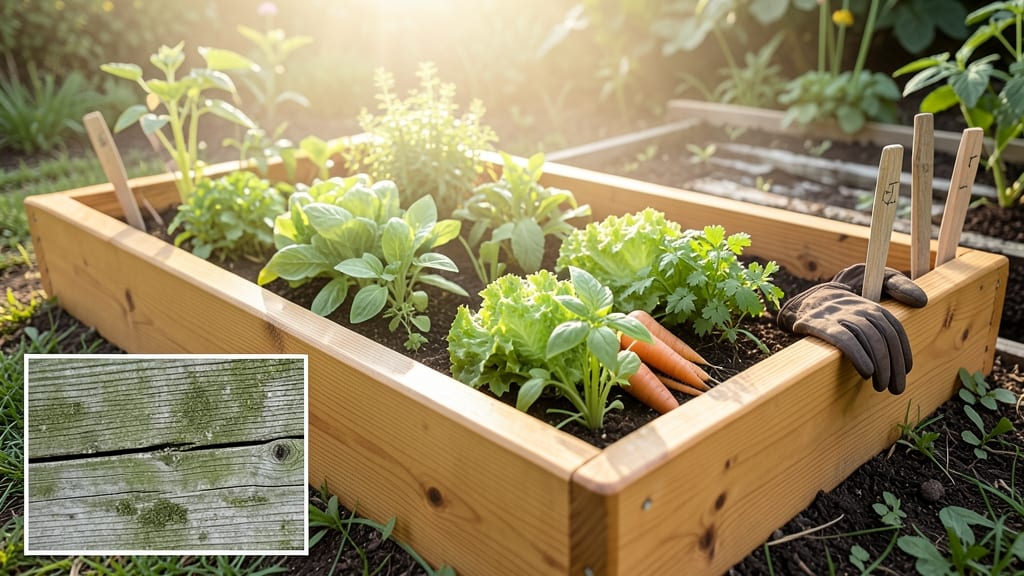
Using treated wood in gardens is generally safe only with modern ACQ (alkaline copper quat), MCQ (micronized copper quat), or CA-B (copper azole type B) preservatives, as these release minimal harmful chemicals over time. Older CCA-treated wood—still found in some older structures—contains arsenic and should never be used near vegetables, herbs, or soil. Always verify the treatment type on the label and consider adding plastic barriers to prevent chemical seepage.
Most modern treated wood uses copper-based preservatives that break down safely in soil, though they can still affect sensitive plants like blueberries or potatoes if used in direct contact. 🌱 The key difference lies in how these chemicals leach: while ACQ and MCQ release copper at safe levels, CCA-treated wood's arsenic poses long-term risks even years after installation.
I recommend using these safer options for raised beds or planters, especially if growing edible crops, and always elevating wood at least 6 inches above ground to minimize exposure.
For extra peace of mind, seal treated wood with a non-toxic paint or liner before planting. This creates a physical barrier that prevents any potential chemical transfer to the soil.
If you're unsure about your wood's treatment type, look for labels marked "ACQ" or "MCQ"—these are the safest choices for garden projects.
💡 In This Article
- Toxic Chemicals in Treated Wood: What Gardeners Need to Know
- Safe Treated Wood Alternatives for Garden Projects
Toxic chemicals in treated wood: what gardeners need to know
Modern treated wood relies on copper-based preservatives like ACQ (alkaline copper quat) or MCQ (micronized copper quat), which release copper ions at levels considered safe for most plants—typically 0.2-0.5 parts per million (ppm) in soil.
The copper binds to organic matter and remains largely immobile, preventing it from being absorbed by plant roots in harmful quantities. 🔬 Unlike older CCA-treated wood (which contained arsenic, chromium, and copper), these modern formulations avoid heavy metals entirely, making them EPA-approved for residential use, including gardens.
The real risk comes from CCA-treated wood, where arsenic—even in trace amounts—can leach into soil over time. Studies show arsenic levels can reach 10-50 ppm near CCA-treated structures, exceeding EPA safety thresholds for edible crops.
The problem isn’t just immediate exposure: arsenic persists in soil for decades, bioaccumulating in plants like potatoes or leafy greens. That’s why CCA was banned for residential use in 2003—yet some older decks or fences may still lurk in backyards.
Even with modern wood, certain plants are more sensitive.
Acid-loving species like blueberries or azaleas can suffer from copper toxicity if wood is placed directly in their root zones, as copper lowers soil pH. For these plants, use ACQ-treated wood only in raised beds with a 6-inch gravel barrier or line the interior with heavy-duty plastic sheeting.
The copper’s primary target is fungi and insects, not plants—but concentration matters.
Leaching rates depend on wood placement: buried or ground-contact wood releases chemicals 10x faster than elevated structures. Rainfall and soil microbes accelerate the process, which is why gardeners often see discoloration near treated wood edges.
To mitigate this, paint or seal wood with a non-toxic, water-based sealant—this reduces leaching by up to 70% while adding years to the wood’s lifespan.
For long-term safety, test your soil if using treated wood near edibles. Home test kits (like those for heavy metals) can detect arsenic or copper spikes. If levels exceed 0.1 ppm copper or 0.01 ppm arsenic, replace the wood or amend the soil with compost to dilute contaminants.
The good news? Modern treated wood’s copper breaks down naturally over 5-10 years, while CCA’s arsenic lingers for lifetimes.