
Tools
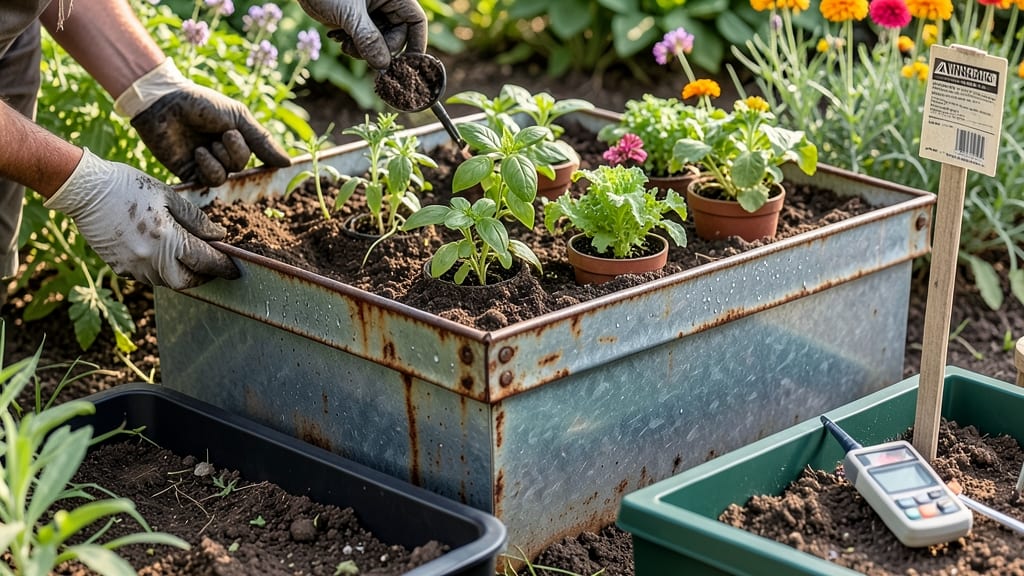
Galvanized steel is not safe for garden beds because its zinc coating can leach into soil over time, potentially harming plants and contaminating groundwater. Opt for non-toxic alternatives like untreated steel, plastic, or wood instead.
Galvanized steel's zinc coating breaks down when exposed to moisture and organic acids in soil, releasing toxic levels of zinc that disrupt plant nutrient absorption. 🌱 This chemical process isn't immediate but becomes problematic over months or years, particularly in acidic soils where zinc solubility increases.
The environmental impact extends beyond your garden—excess zinc can seep into groundwater, affecting local ecosystems and potentially entering the food chain.
For gardeners concerned about safety, untreated steel, cedar, or composite lumber offer durable alternatives without chemical risks. 🌿 I've found that cedar naturally resists rot and pests while maintaining a clean aesthetic, though it requires more maintenance than plastic options.
The key is choosing materials that align with your garden's specific needs—whether that's longevity, budget, or environmental impact.
💡 In This Article
- Zinc Toxicity Risks in Galvanized Steel Garden Edging
- Non-Toxic Garden Bed Materials for Healthy Soil
Zinc toxicity risks in galvanized steel garden edging
The zinc coating on galvanized steel doesn't stay put—it reacts chemically with moisture and organic acids in soil through a process called electrochemical corrosion. When zinc atoms lose electrons in this reaction, they dissolve into the soil as zinc ions (Zn²⁺).
This happens especially fast in acidic soils (pH < 6.5), where zinc solubility increases by up to 50% compared to neutral soil. 🔥 The released zinc can accumulate to toxic levels over months, particularly in raised beds where water retention concentrates the metal.
Plants absorb zinc through their roots, but excessive levels disrupt nutrient uptake—especially phosphorus and iron—leading to yellowing leaves (chlorosis) and stunted growth.
Studies show that zinc concentrations above 400 ppm (parts per million) in soil can harm most vegetables, while levels above 1,000 ppm become toxic to sensitive plants like tomatoes and beans.
The environmental impact is equally concerning: zinc can leach into groundwater, where it persists for years and may enter aquatic food chains.
Unlike copper (which also leaches but at slower rates) or aluminum (which forms inert oxides), zinc's mobility in soil makes it particularly dangerous. Copper tends to bind to soil particles, while aluminum often precipitates out of solution.
Zinc, however, remains highly soluble—meaning it travels through soil layers and contaminates larger areas. This is why galvanized steel edging near vegetable gardens poses a double risk: direct plant toxicity and potential groundwater pollution. 💫
Visual clues can help identify zinc leaching: rusty streaks on galvanized metal indicate active corrosion, and a white, powdery residue (zinc carbonate) often forms around the edges. Over time, you might notice plants near the edging growing slower or developing brown spots on leaves—clear signs of zinc stress.
The problem worsens in warm climates where higher temperatures accelerate chemical reactions, sometimes doubling the leaching rate compared to cooler regions.
For comparison, untreated steel rusts but doesn't release toxic metals, while stainless steel contains chromium and nickel that also leach—but at far lower rates than zinc. The key difference lies in the chemical stability of these metals: zinc's reactivity makes it the most aggressive leacher among common garden materials.
This is why professionals recommend avoiding galvanized steel in edging, especially for edible gardens where soil may be consumed indirectly through root crops.
If you're working with existing galvanized steel beds, consider removing the top layer of soil (6-12 inches deep) and replacing it with fresh, zinc-free compost. This can mitigate contamination, though long-term solutions require switching to safer materials entirely.
The trade-off between convenience and safety becomes clear when you weigh the risks against the relatively small effort needed to install non-toxic alternatives. ✨