
Size
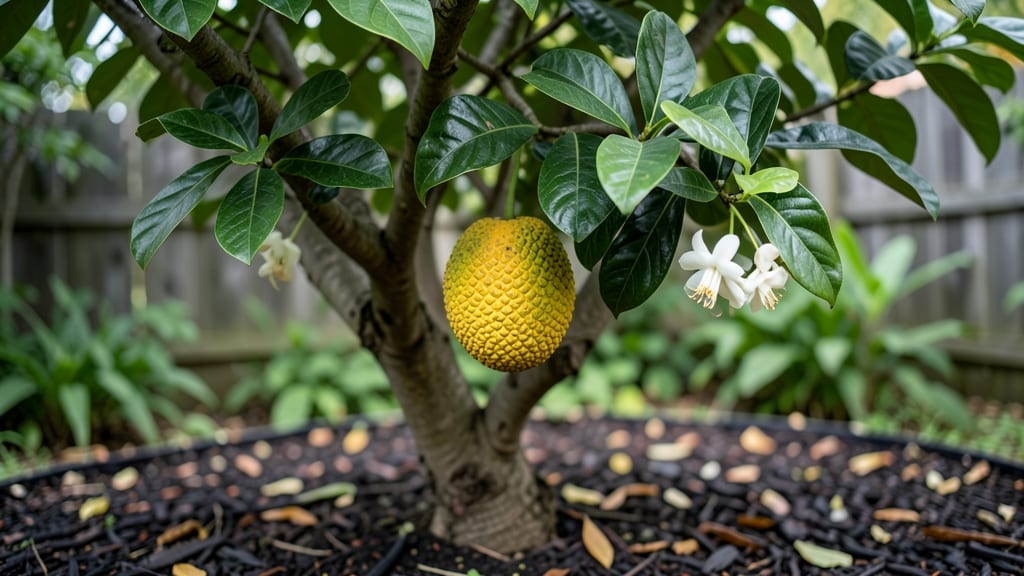
Yes, is sugar apple a tropical fruit you can grow in a garden if you provide the right conditions, requiring USDA zones 10-12 or container cultivation in cooler regions. Its delicate nature demands high humidity, well-draining soil, and protection from frost for successful garden growth.
Sugar apple (Annona squamosa) thrives in warm climates, originating from the Caribbean and Central America, where consistent humidity and temperatures create ideal conditions. 🌴 The fruit's growth is highly sensitive to cold—temperatures below 50°F can damage leaves and flowers, while frost will kill the plant entirely.
In cooler climates, gardeners often grow it in large containers that can be moved indoors during winter months, mimicking its native tropical environment.
What sets sugar apple apart is its need for well-draining soil with a slightly acidic pH (around 6.0-6.5). The plant thrives in partial shade but requires at least 6-8 hours of sunlight daily for optimal fruiting.
Unlike hardier tropical fruits, sugar apple has a relatively short growing season, typically producing fruit within 2-3 years of planting when conditions are perfect.
💡 In This Article
- Sugar Apple’s Tropical Climate Requirements Explained
- How to Grow Sugar Apple in Non-Tropical Gardens
Sugar apple’s tropical climate requirements explained
Sugar apple (Annona squamosa) evolved in the Caribbean and Central America, where temperatures hover between 75-90°F year-round and humidity stays above 70%.
The plant’s physiology is finely tuned to these conditions: its thin, leathery leaves transpire rapidly in dry air, causing wilting, while its shallow root system struggles in cooler soils. The fruit itself develops best when daytime temperatures consistently exceed 80°F, as cooler weather delays flowering and reduces fruit set.
The plant’s frost intolerance stems from its tropical ancestry—unlike temperate fruit trees, sugar apple lacks cold-hardening mechanisms. Even brief exposure to 45°F can cause leaf browning, while 32°F frost triggers irreversible cellular damage.
This sensitivity explains why it thrives in USDA zones 10-12, where winter temperatures rarely dip below 50°F. The plant’s ideal soil pH of 6.0-6.5 mirrors its native environment’s slightly acidic, well-draining volcanic soils, which prevent root rot while providing essential nutrients.
Humidity plays a critical role in sugar apple cultivation. In its native habitat, frequent afternoon showers maintain leaf moisture, preventing the 2-3 inch long flowers from drying out—a common issue in dry climates.
Without adequate humidity, pollen transfer between flowers becomes inefficient, reducing fruit production. Gardeners in arid regions often use misting systems or group plantings to create microclimates that mimic tropical conditions. 🌿
Another key factor is sunlight exposure. While sugar apple tolerates partial shade, it requires 6-8 hours of direct sunlight daily for optimal photosynthesis. In cooler climates, this means positioning containers in south-facing locations or using reflective surfaces to maximize light absorption.
The plant’s growth rate slows dramatically with insufficient light, often resulting in smaller leaves and reduced flowering. This explains why container-grown sugar apples in temperate zones rarely produce fruit until their second or third year.
What most gardeners overlook is the plant’s sensitivity to wind. Strong breezes desiccate leaves and flowers, particularly during the dry season. In tropical environments, sugar apple grows near forest edges where wind speeds are naturally buffered.
This is why gardeners in exposed areas should plant near windbreaks or use protective netting during critical growth stages. The combination of temperature, humidity, and wind protection creates the precise conditions sugar apple needs to thrive.
Understanding these tropical requirements helps explain why sugar apple struggles in temperate zones without intervention. The plant’s delicate balance of physiological needs—temperature, humidity, soil, and light—must all align for successful cultivation. This is why container growing and greenhouse techniques become essential tools for gardeners outside its native range. 🌱