
Tools
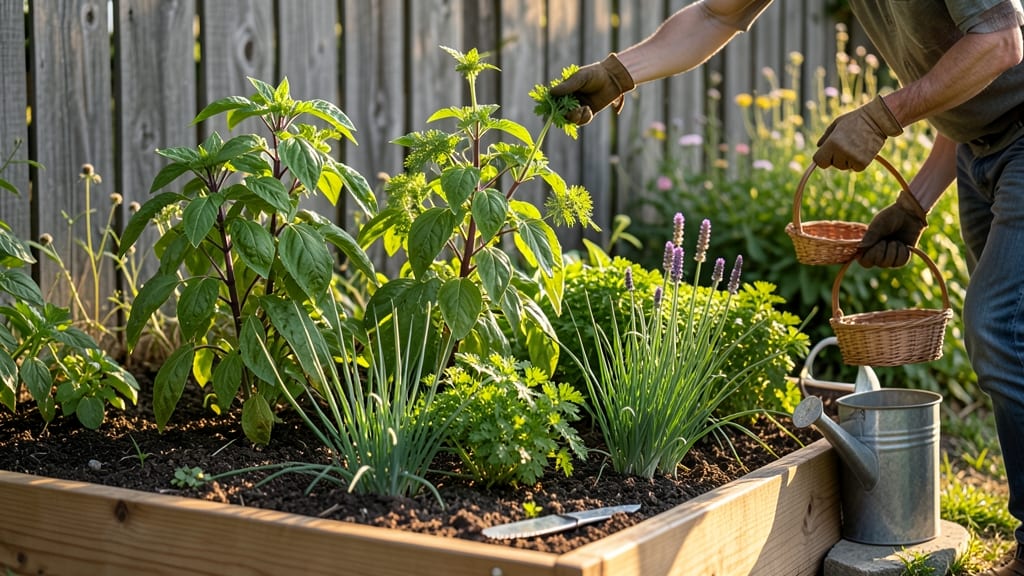
Gardening counts as good exercise because it works your entire body, torches 200–400 calories per hour, and builds strength through repetitive motions like bending, lifting, and reaching. The physical demands of yard work—especially when tackling bigger tasks—make it a surprisingly effective full-body workout.
When you think about exercise, gardening might not be the first thing that comes to mind, but it delivers serious physical benefits. 🌱 The key lies in how it engages your muscles differently than traditional workouts—digging strengthens your legs and core, while reaching for plants works your upper body and shoulders.
Unlike steady-state cardio, gardening combines strength training with low-impact movement, making it ideal for people who want to stay active without joint strain. Plus, the mental health perks from being outdoors add another layer of value to this underrated workout.
What sets gardening apart is its adaptability. You can adjust the intensity by choosing heavier tasks like moving mulch or lighter ones like pruning flowers. The beauty of it is that you're not just breaking a sweat—you're also creating something tangible, which makes the physical effort feel more rewarding.
For those who prefer structured exercise, pairing gardening with short bursts of stretching or squats can turn your yard into a full-fledged fitness space.
💡 In This Article
- Calorie Burn and Muscle Activation in Gardening
- Maximizing Gardening’s Fitness Benefits
Calorie burn and muscle activation in gardening
Gardening qualifies as exercise because it systematically engages your entire body in ways that mimic resistance training and cardio. When you dig, your quadriceps and glutes generate force equivalent to lifting 25-50 pounds per shovel, while your core stabilizes your torso against rotational forces.
Studies show digging for 30 minutes can burn 270-350 calories—comparable to a brisk walk but with added strength benefits. The repetitive bending and lifting patterns create micro-tears in muscle fibers, similar to how weightlifting builds strength.
Your arms and shoulders get a workout too, especially during tasks like raking or pruning. A 20-pound rake held overhead engages your deltoids and upper back muscles, while the sweeping motion works your obliques.
Even lighter tasks like weeding activate your forearms and grip strength. Planting seeds requires precise finger dexterity, engaging smaller muscle groups in your hands—something most traditional workouts overlook. The combination of these movements creates a full-body activation pattern that rivals many gym routines.
What makes gardening unique is how it blends aerobic and anaerobic exercise naturally. Digging or hoeing for 15-20 minutes straight elevates your heart rate into the moderate cardio zone (50-70% of max heart rate), while the intermittent lifting provides resistance training.
This hybrid approach explains why gardeners often report improved endurance without feeling like they're doing structured cardio. The outdoor setting also adds a low-impact element, reducing joint stress compared to running or jumping.
Research from the University of Utah found that gardening burns 300-400 calories per hour for moderate effort—more than yoga (200-300 calories) but less than jogging (600-700 calories).
The key difference lies in the muscle engagement: while jogging primarily works your legs, gardening creates a balanced upper and lower body workout. The variability in movements also prevents muscle memory plateaus, making it an effective fat-burning activity for people of all fitness levels.
Consider this breakdown of common gardening tasks and their calorie impact per hour:
- Digging: 300-400 calories (engages legs, core, and upper back)
- Raking: 250-350 calories (works shoulders, arms, and core stability)
- Weeding: 200-300 calories (focuses on grip strength and repetitive motions)
- Watering: 150-250 calories (moderate cardio with arm movement)
- Heavy mulching: 350-450 calories (full-body strength and endurance)
The beauty of gardening as exercise lies in its adaptability. You can control intensity by choosing heavier tasks like moving soil bags or lighter ones like harvesting vegetables.
The outdoor environment also provides mental benefits from sunlight exposure and fresh air, creating a holistic workout experience that goes beyond physical calorie burn. 🌿