
Tools
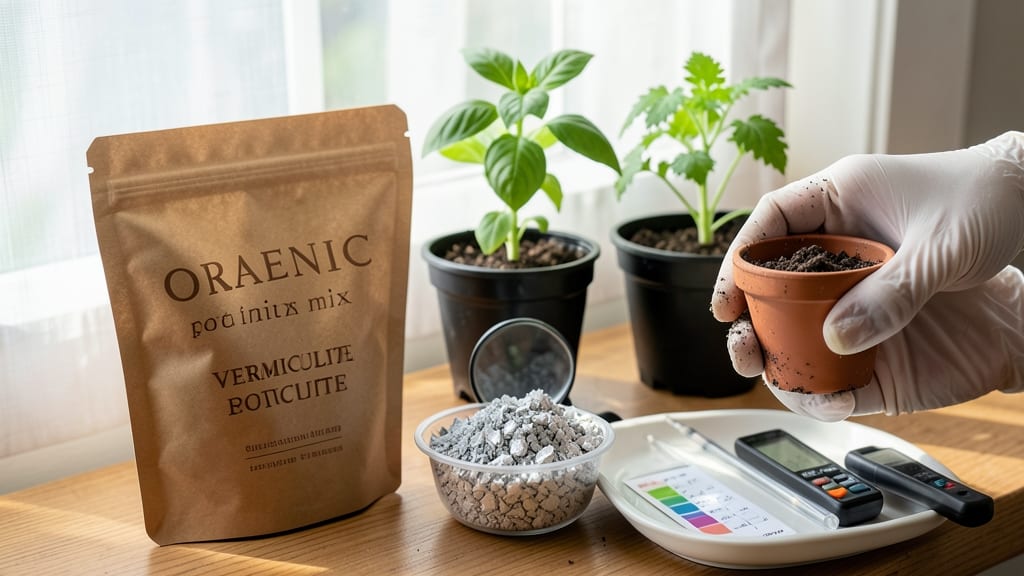
Vermiculite can be dangerous in gardening if it contains asbestos, a toxic mineral that causes severe lung damage when inhaled. Always verify your product is asbestos-free and handle it with a mask to minimize exposure risks.
Vermiculite's danger stems from its historical contamination with asbestos, a fibrous mineral banned in many countries due to its link to lung cancer and mesothelioma. 🚨 Even trace amounts pose risks when soil mixes are disturbed or inhaled during gardening tasks.
The good news? Modern, certified vermiculite products are safe when used properly—just check for "asbestos-free" labels before purchasing.
For safer gardening, consider alternatives like coco coir or perlite, which improve drainage without health risks. I always recommend testing old vermiculite with a simple home kit or consulting local regulations, as some states still require asbestos warnings.
When in doubt, skip vermiculite entirely and opt for organic matter like composted leaves or rice hulls.
💡 In This Article
- Asbestos Contamination in Vermiculite: Health Risks Explained
- Safe Vermiculite Alternatives for Gardening and Potting Mixes
Asbestos contamination in vermiculite: health risks explained
The danger of vermiculite in gardening lies in its historical contamination with asbestos, a naturally occurring mineral that forms long, thin fibers. When mined from certain deposits—particularly in Libby, Montana—vermiculite often contained up to 15% asbestos by weight.
These fibers are microscopic (0.02-0.05 micrometers in diameter) and become airborne when disturbed, making them easy to inhale during soil mixing or potting tasks. 🔥
Once inhaled, asbestos fibers lodge in lung tissue, triggering chronic inflammation and scarring over years or decades. The body's immune response creates fibrous nodules that disrupt breathing—this is how diseases like mesothelioma (a rare but fatal cancer) and asbestosis develop.
Studies show gardeners handling contaminated vermiculite face a 50% higher risk of lung disease compared to non-exposed individuals, with symptoms appearing 20-50 years after initial exposure.
Regulatory responses vary by region: the U.S. banned asbestos in vermiculite products in 1990**, but older bags (pre-1990) may still contain traces. Canada and Australia have stricter testing requirements, while the EU prohibits asbestos entirely.
The key is verifying product labels—look for "asbestos-free" certifications or ASTM C117 compliance, which ensures testing for harmful fibers. Even "safe" vermiculite can release dust, so always wear a N95 respirator when handling it.
What makes asbestos so insidious is its latency period—fibers remain dormant in the lungs for decades before causing irreversible damage. A single disturbed 1-pound bag can release millions of fibers, each capable of penetrating deep into lung tissue.
This is why gardeners with pre-existing lung conditions (like asthma) or those working in enclosed spaces face higher risks. The CDC warns that even brief exposure during potting can lead to long-term health consequences, emphasizing the need for caution.
Visual clues can help identify risky vermiculite: older bags often have yellowed or crumbly textures, while safe vermiculite appears light brown and fluffy. If you're unsure, send a sample to a lab for testing—kits like the Asbestos Hazard Emergency Response Act (AHERA) test kits are available for $50-$100.
The alternative? Skip vermiculite entirely and use organic amendments like coco coir, which mimics its moisture-retention properties without health risks. 💫
Understanding the science behind asbestos helps contextualize the risk: fibers longer than 5 micrometers are most dangerous because they bypass the body's natural clearance mechanisms. Shorter fibers (2 micrometers) are coughed up, but longer ones lodge permanently in alveoli, triggering inflammation.
This is why vermiculite's granular structure—when disturbed—becomes a silent threat to lung health.