I’ve always had a green thumb—whether it was sneaking seeds from my grandmother’s garden as a kid or turning my apartment balcony into a jungle of herbs and blooms. There’s nothing quite like the quiet joy of watching something grow from a tiny seed into something vibrant and alive. This site is my way of sharing the lessons I’ve learned along the way: the simple tricks that make gardening easier, the plants that thrive with minimal fuss, and the little moments that make the work worth it. If you’re just starting out or have been tending gardens for years, I hope you’ll find something here to inspire your next harvest.
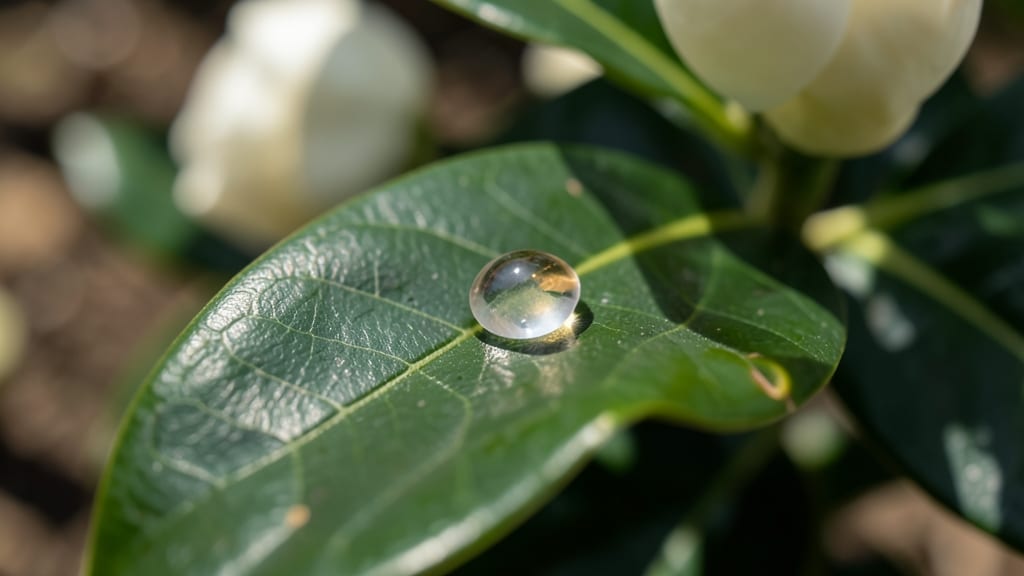
💥 Quick Answer Gardenias' mosquito repellent properties come from their fragrant oils containing geraniol and linalool, which naturally deter mosquitoes—but they're less potent than citronella and work best when you use…
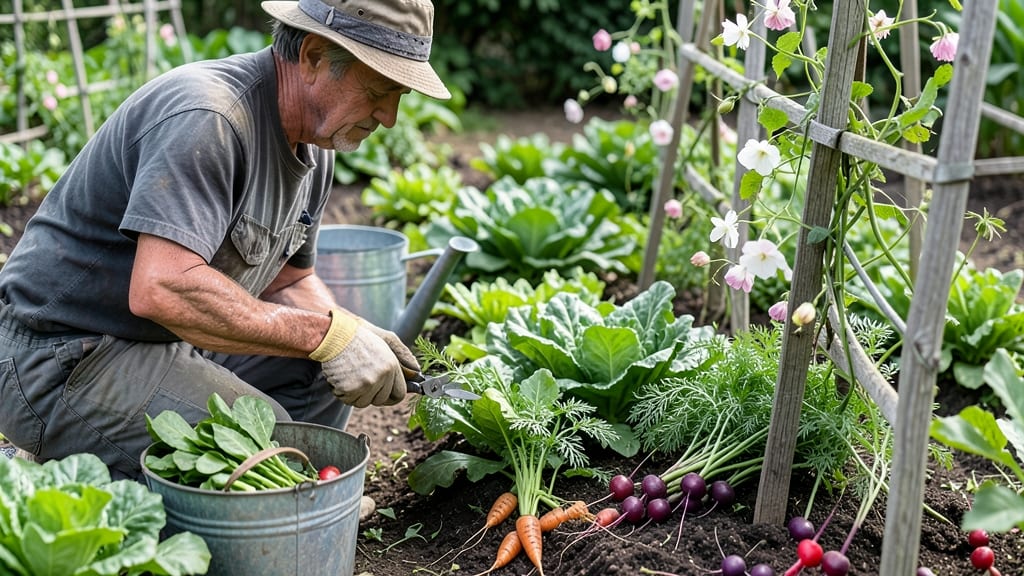
💥 Quick Answer Gardening burns calories efficiently, with moderate tasks like digging or weeding averaging 200–300 calories per hour for a 155-pound person, while heavy labor like hauling soil or raking can torch over…
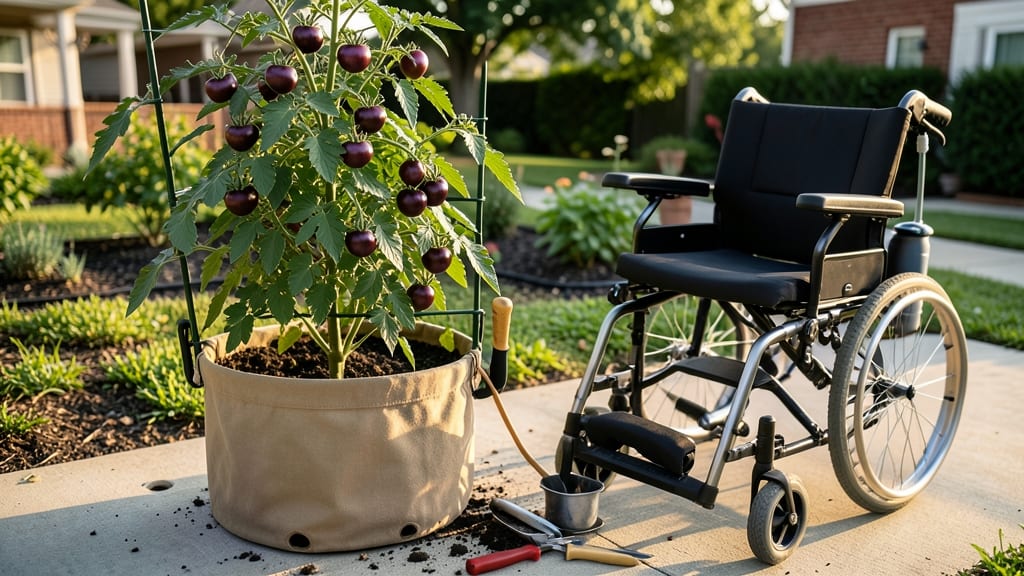
💥 Quick Answer Gardening for people with disabilities becomes fully accessible through smart adaptations like raised planters, lightweight ergonomic tools, and adjustable-height seating. Voice-controlled watering…
💥 Quick Answer Gardening in Northern California means working with its unique microclimates—from coastal fog belts to inland valleys and mountain slopes—by choosing hardy native plants, adjusting irrigation to match…
💥 Quick Answer Gardening spirituality quotes connect you to nature’s sacred rhythms, transforming everyday gardening into a meditative practice that honors patience, growth, and life’s cycles. These words turn soil and…
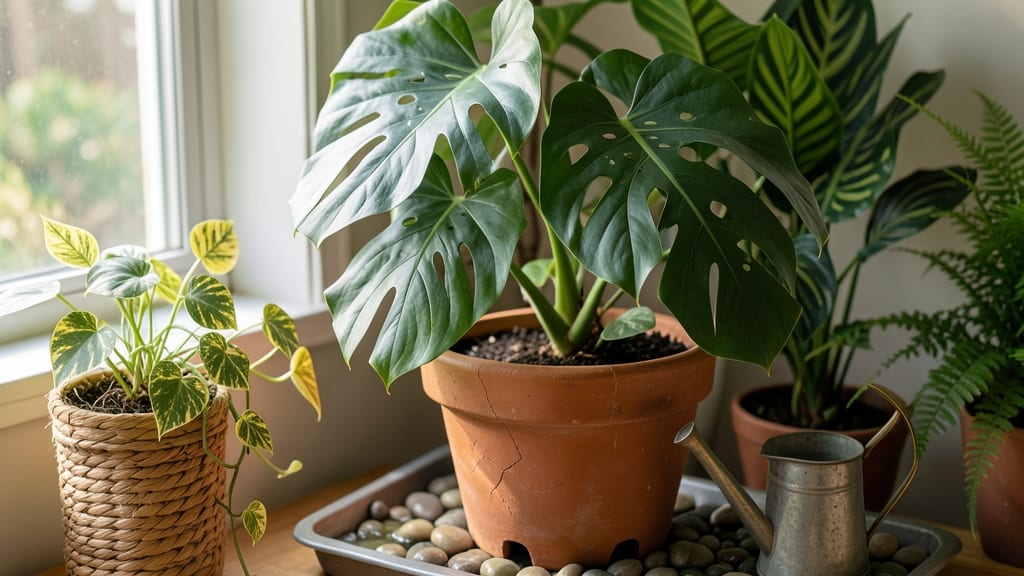
Gardening tropical plants 🌴 thrives when you mimic their natural, humid, and bright environments—even if you’re not in USDA Zones 10-12. Picture this: your hibiscus blooming year-round, your monstera leaves unfurling…
💥 Quick Answer Gardening in Zone 9a lets you grow a mix of cold-hardy and tropical plants year-round, thanks to its mild winters and hot summers where frost usually hits only between December and February. Always verify…
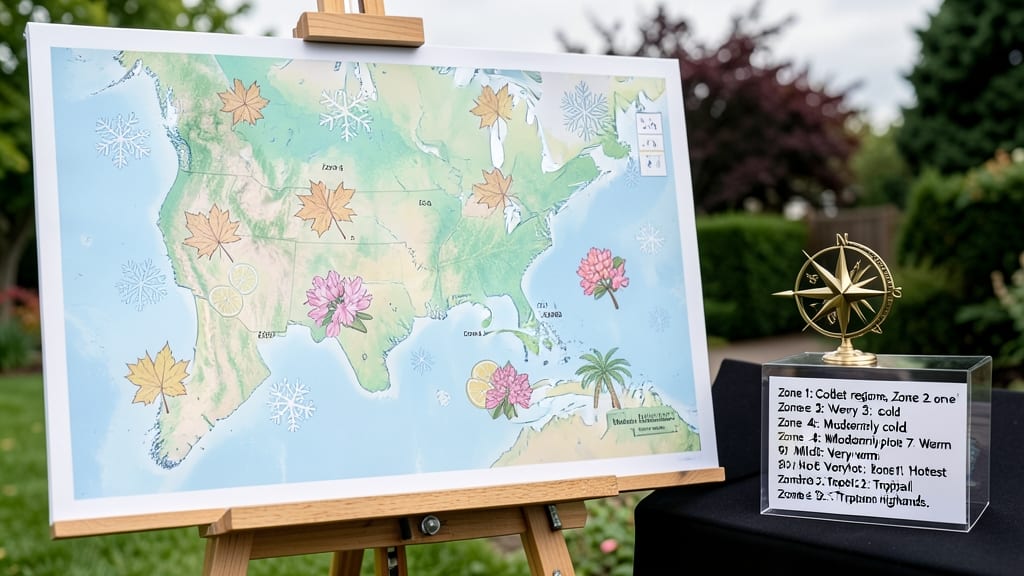
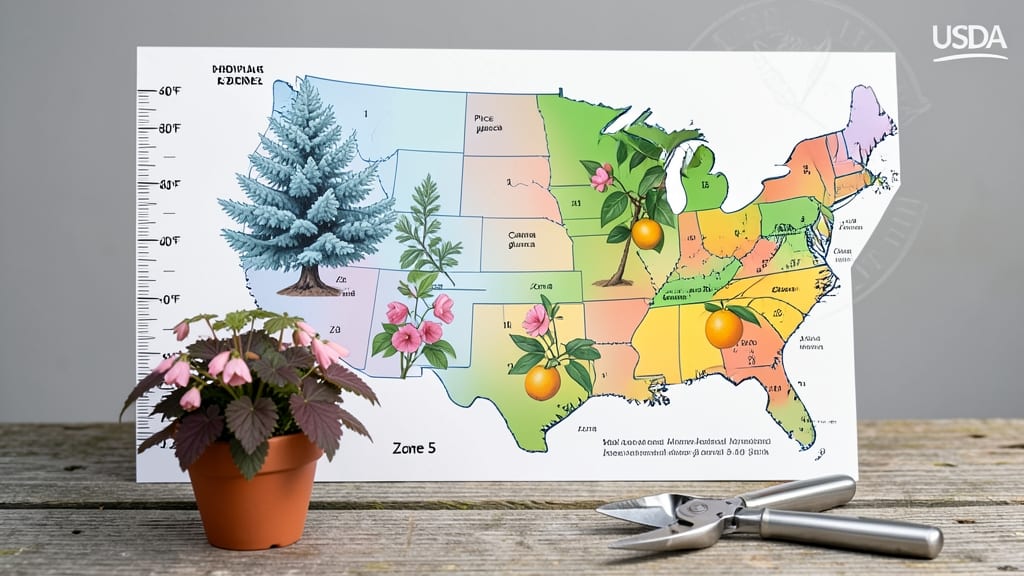
💥 Quick Answer To determine North America gardening zones, check the USDA Plant Hardiness Zone Map, which categorizes regions by average annual minimum temperatures into zones 1–13. These zones help gardeners select…
💥 Quick Answer US gardening zones help you select plants that thrive in your area’s average minimum winter temperatures, ranging from Zone 1 (coldest) to Zone 13 (tropical), by determining frost dates and growing…
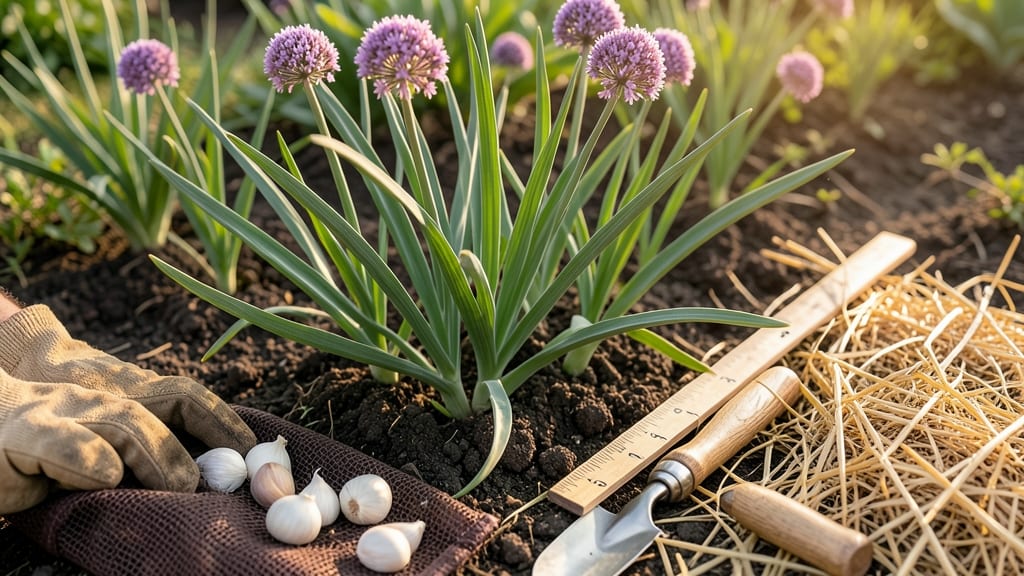
Proper garlic spacing in garden determines whether you’ll pull up dinner-table bulbs or puny cloves that barely cover your thumb. Picture this: You’ve prepped the soil, planted your cloves, and watered faithfully—only to…