
Tools
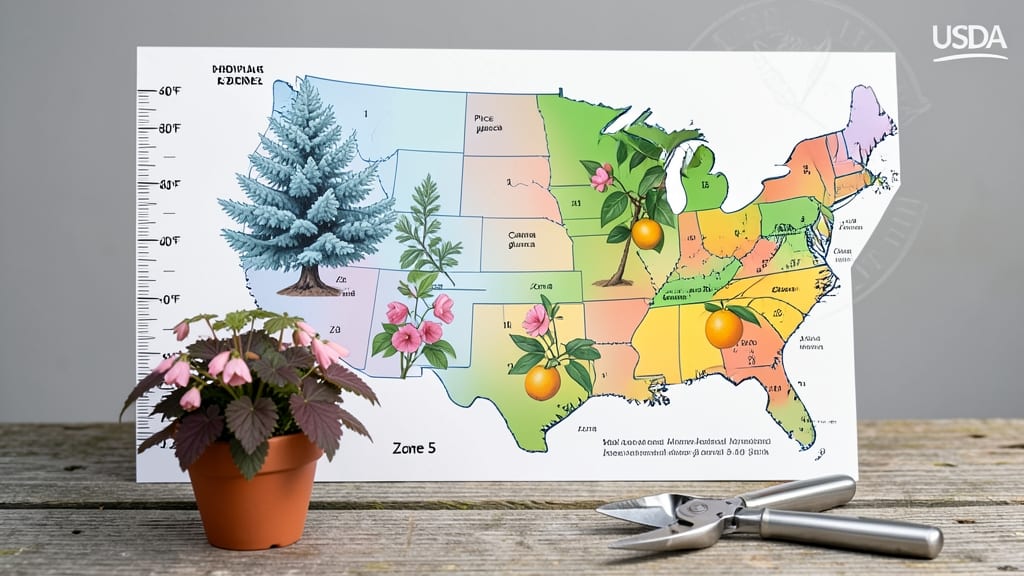
US gardening zones help you select plants that thrive in your area’s average minimum winter temperatures, ranging from Zone 1 (coldest) to Zone 13 (tropical), by determining frost dates and growing conditions.
These zones are based on the USDA's Plant Hardiness Zone Map, which divides the country into 13 temperature-based regions. 🌱 Each zone represents a 10°F difference in average annual minimum temperature, helping gardeners match plants to their local climate.
For example, Zone 5 (common in the Midwest) can handle down to -20°F, while Zone 10 (Southern California) stays above 30°F. Knowing your zone ensures you pick plants that survive winters and flourish in your growing season.
To find your zone, use the USDA Interactive Map or enter your ZIP code into zone-finding tools. This simple step saves time and frustration by avoiding failed plantings—like trying to grow palm trees in Minnesota.
The key is matching plants to your zone's hardiness range and adjusting planting times (e.g., waiting until after the last frost in colder zones).
💡 In This Article
- How USDA Plant Hardiness Zones Determine Your Growing Season
- Choosing Plants Based on Your US Gardening Zone
How USDA plant hardiness zones determine your growing season
The USDA Plant Hardiness Zone Map divides the country into 13 zones based on average annual minimum temperatures, with each zone representing a 10°F difference. For example, Zone 1 (Alaska, northern Canada) endures temperatures as low as -60°F, while Zone 13 (Hawaii, Puerto Rico) stays above 60°F.
These zones reflect the coldest temperatures plants can survive, not just summer heat. The science behind this involves microclimates—local variations where urban areas (like downtown Chicago) might be 1-5°F warmer than rural zones due to concrete and buildings retaining heat.
Frost-free days are directly tied to these zones. In Zone 5 (Midwest, Northeast), gardeners typically enjoy 120-150 frost-free days, while Zone 9 (Southern California, Arizona) offers 240-300 days. This means tropical plants like bougainvillea thrive in Zone 9 but freeze in Zone 5.
The map also accounts for elevation—mountains in Zone 6 can feel like Zone 4 because temperatures drop 3.5°F per 1,000 feet gained. 🌡️ Understanding these nuances helps gardeners predict planting windows and avoid frost damage.
Matching plants to zones ensures survival and optimal growth. A Zone 3 perennial (like coneflowers) won’t survive Zone 10’s mild winters, while a Zone 10 palm tree will die in Zone 5’s subzero winters. The USDA assigns plants a "hardiness rating" (e.g., "Zone 5-9") based on field trials.
For instance, blueberries need Zone 3-7 because they require cold dormancy, while citrus thrives in Zone 9-11. Ignoring zones often leads to failed plantings—like dead tomatoes in Zone 1 or struggling roses in Zone 12.
Zones also influence planting timing. In Zone 4, gardeners wait until mid-May for last-frost dates, while Zone 8 gardeners plant year-round. The map’s 1/2-zone adjustments (e.g., Zone 5b vs. 5a) account for local variations.
For example, Zone 5a (-20°F to -15°F) is colder than Zone 5b (-15°F to -10°F), so hardier plants like spruce trees suit 5a better. 🌱 This precision prevents costly mistakes, like planting tender annuals too early.
Beyond temperature, zones reflect growing-season length. Zone 1’s 60-90 days limit warm-season crops (like corn), while Zone 11’s 300+ days allow year-round gardening. The map even includes heat zones (e.g., Zone 12 for Puerto Rico) to guide tropical plant selection.
By aligning plants with their native zones, gardeners replicate ideal conditions—like Mediterranean herbs in Zone 9 or cold-hardy kale in Zone 3.
For accuracy, use the USDA Interactive Map or enter your ZIP code into tools like Planthardiness.ars.usda.gov. These resources overlay your address with precise zone data, including microclimate factors. For example, a backyard in Zone 6a might have a Zone 7 microclimate near a south-facing wall.
This granularity helps gardeners tailor their plant choices to specific spots in their yard.
Remember: Zones are a starting point, not absolutes. Factors like soil, sunlight, and wind also play roles. But mastering your zone ensures 90% of your plants thrive—saving time, money, and frustration. 🌿