
Planting
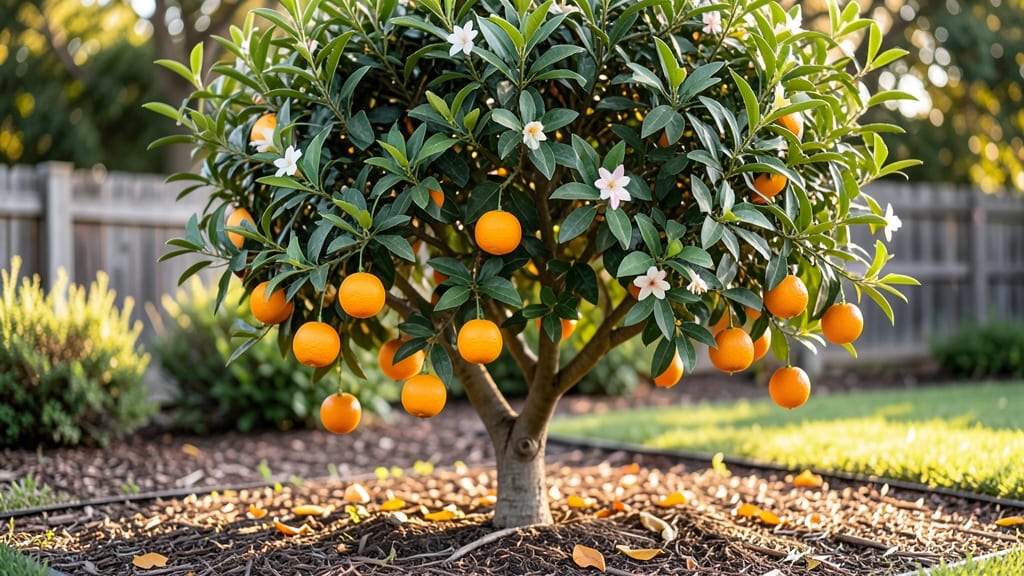
Gardening in Zone 9a lets you grow a mix of cold-hardy and tropical plants year-round, thanks to its mild winters and hot summers where frost usually hits only between December and February. Always verify your local frost dates using the USDA Plant Hardiness Map for the most accurate guidance.
Zone 9a's unique climate—where average winter lows hover around 20-25°F—creates a rare opportunity for gardeners to cultivate both frost-sensitive tropicals and resilient Mediterranean varieties. 🌿 For example, citrus trees thrive here, while succulents and lavender handle the summer heat without stress.
The key is understanding your microclimate: urban areas often stay warmer than rural spots, which can shift planting windows by weeks. Nearby Zone 9b offers slightly warmer winters, while Zone 10a's frost-free winters allow even more tropical species to flourish.
To maximize your garden's potential, focus on plants that match your local frost dates. Vegetables like tomatoes and peppers can go in the ground as early as February, while frost-sensitive flowers may wait until April. Herbs like rosemary and thyme grow year-round with minimal care, making them perfect for beginners.
The secret? Start with the USDA map, then adjust based on your yard's specific conditions—like whether it's sheltered or exposed to wind.
💡 In This Article
- Understanding Zone 9a’s Climate and Frost Patterns
- Best Plants for Zone 9a Gardens and Planting Calendar
Understanding Zone 9a’s climate and frost patterns
Zone 9a's climate is defined by its 20-25°F average minimum winter temperatures, creating a delicate balance between frost-free summers and occasional cold snaps.
Unlike colder zones, where frost lingers for months, Zone 9a typically sees frost only between mid-December and mid-February, with most areas experiencing just 10-15 frost days per year.
This limited frost window allows tropical plants like bougainvillea and hibiscus to thrive alongside Mediterranean varieties such as rosemary and lavender.
The key mechanism here is how cold air settles—frost forms most frequently in low-lying areas or valleys, while urban heat islands (like rooftops or paved surfaces) can stay 5-10°F warmer than rural fields.
The summer heat in Zone 9a—often exceeding 90°F for 3-4 months—is equally critical.
Plants like citrus and olive trees rely on this warmth to ripen fruit, but they also need protection from intense afternoon sun. Drip irrigation systems help maintain soil moisture during these dry periods, while shade cloth (30-50%) can prevent leaf scorch in heat-sensitive varieties.
What most gardeners don’t realize is that humidity levels (typically 60-70%) also play a role—higher humidity can stress plants by promoting fungal diseases, while lower levels may require extra watering.
The interplay of these factors is why Zone 9a gardens often blend drought-tolerant succulents with moisture-loving ferns in the same landscape.
Microclimates within Zone 9a can shift planting windows by 2-4 weeks. For example, a south-facing wall might stay 15°F warmer than an open north-facing area, letting you plant frost-sensitive veggies like basil 3 weeks earlier in spring.
Urban gardens often benefit from this "heat island effect," while rural areas may need row covers or cold frames for delicate seedlings. Wind exposure is another game-changer: coastal Zone 9a gardens might experience chilly ocean breezes that delay spring planting, while inland areas warm up faster.
This is why local weather stations—like those tracking your specific ZIP code—are more reliable than generalized zone maps.
Comparing Zone 9a to its neighbors highlights its unique advantages. Zone 9b (with 25-30°F minimums) can support even more tropical plants like mangoes, while Zone 10a (frost-free) allows year-round growth of bananas and papayas.
However, Zone 9a’s occasional frost risk means you’ll need to protect tender plants like citrus with frost cloths or move potted varieties indoors during cold snaps. The trade-off?
Zone 9a’s longer growing season (300+ days) lets you grow two crops of fast-maturing veggies like lettuce or radishes, while Zone 10a’s lack of frost means fewer seasonal shifts to work with.
To harness Zone 9a’s potential, start by mapping your yard’s microclimates. Place a minimum/maximum thermometer in your garden for a season to track exact temperatures. Notice which areas stay frost-free even during cold snaps—these spots are ideal for tropical plants.
For example, a south-facing slope might stay 10°F warmer than a shaded north side, letting you plant frost-sensitive herbs like cilantro in early spring when other areas are still too cold. This precision is what separates successful Zone 9a gardens from those struggling with unexpected freezes.
One advanced strategy is to use season extension tools like low tunnels or cold frames to push planting windows. A simple hoop house with plastic sheeting can add 4-6°F of warmth, letting you start warm-season crops like tomatoes 2 weeks earlier in spring or extend fall harvests.
Meanwhile, mulching with straw or wood chips (3-4 inches deep) insulates soil, keeping roots 5-8°F warmer during winter and reducing water needs in summer. These small adjustments make all the difference in a zone where margins between success and failure are razor-thin.