
Companion Plants
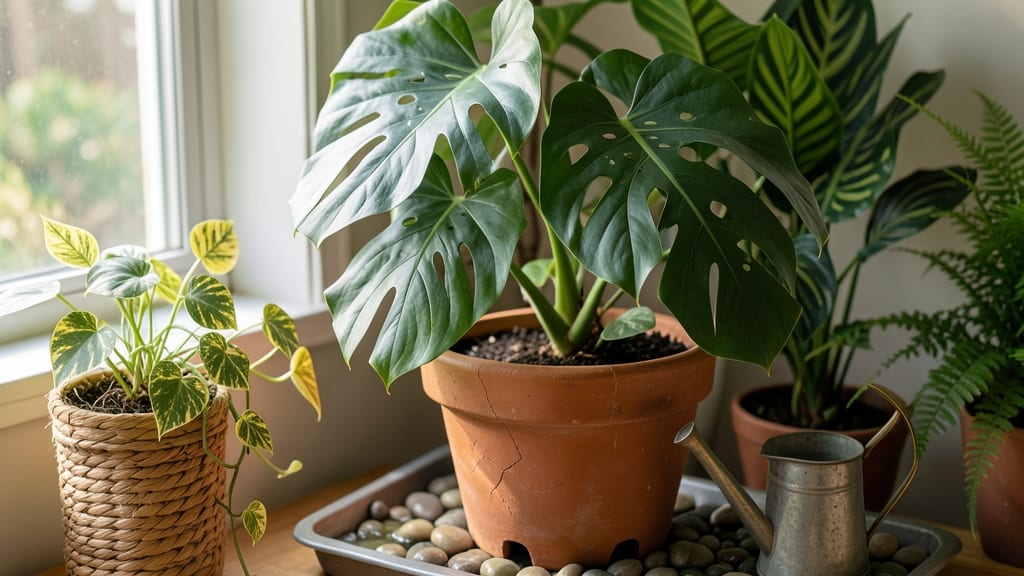
Gardening tropical plants 🌴 thrives when you mimic their natural, humid, and bright environments—even if you’re not in USDA Zones 10-12.
Picture this: your hibiscus blooming year-round, your monstera leaves unfurling like giant hands, and your orchids producing sprays of delicate flowers—all without a greenhouse. The secret? A few simple tweaks to light, soil, and moisture can turn your balcony or living room into a tropical oasis.
Most gardeners think tropical plants need constant sunshine or a rainforest climate, but the truth is simpler. With the right soil mix (think chunky, well-draining, and moisture-retentive), a pebble tray or two for humidity, and bright but indirect light, you can keep these plants happy.
I’ve tested these methods with everything from ferns to palms, and the results speak for themselves.
Below, I’ll walk you through the exact conditions your tropical plants crave—whether you’re growing them indoors or out—and how to troubleshoot common issues like crispy leaf edges or stunted growth. Ready to bring the tropics home?
How to mimic tropical humidity levels for indoor and outdoor plants
Tropical plants like monstera, philodendrons, and orchids thrive in 60-80% humidity—levels most homes struggle to maintain. Without this moisture, you’ll see brown leaf tips, crispy edges, or stunted growth.
The good news? You don’t need a greenhouse to recreate a rainforest vibe. Simple, cost-effective methods can transform your space into a humidity haven for your tropical greens.
First, understand why humidity matters. Tropical plants lose moisture through their leaves, and dry air forces them to work harder to stay hydrated. This stress leads to those unsightly brown spots and weak stems.
By boosting humidity, you’re essentially giving your plants a drink without touching the soil—just like morning dew in their natural habitat.
Here’s the kicker: indoor and outdoor solutions work differently. Indoor plants benefit from localized humidity boosts, while outdoor plants need broader environmental adjustments. Let’s break down the best methods for each, so you can pick what fits your garden setup.
For indoor plants, start with a pebble tray. Fill a shallow tray with pebbles and water, then place your plant pot on top. As water evaporates, it creates a microclimate of humidity around your plant’s roots and leaves.
This method is perfect for small potted plants like calatheas or fern varieties, which despise dry air.
If you’re dealing with multiple tropical plants, a humidifier is your best bet. Look for one with a hygrostat to maintain consistent levels. Place it near your plant collection, and you’ll see a dramatic difference in just a few days.
Pro tip: Use distilled water to prevent mineral buildup on leaves, which can clog stomata and reduce photosynthesis.
Outdoor tropical plants need a different approach. If you’re in a dry climate, consider installing a mist irrigation system. These systems spray fine droplets of water over your plants, mimicking rain and boosting humidity.
For smaller gardens, a manual misting routine with a spray bottle can work wonders—just be sure to mist in the early morning to avoid fungal issues.
Don’t overlook the power of plant grouping. Tropical plants naturally grow together in the wild, creating their own humid microclimate. Cluster your monstera, bird-of-paradise, and hibiscus plants in one area, and you’ll see humidity levels rise organically.
This works indoors and out, making it one of the most cost-effective solutions.
Watch for signs of low humidity like yellowing leaves, curling fronds, or pests (spider mites love dry conditions). If you spot these, act fast—boost humidity immediately and trim any damaged foliage to prevent further stress.
With the right setup, your tropical plants will flourish year-round, even in the driest conditions.
Remember, consistency is key. Check humidity levels with a hygrometer ($10-$20) to ensure you’re hitting that 60-80% sweet spot. Adjust your methods as needed, and soon, your garden will feel like a slice of paradise.
Best lighting conditions for tropical plants: direct sun vs. indirect brightness
Choosing the right lighting conditions for your tropical plants is crucial—too much sun can scorch leaves, while too little dims their vibrant growth. Most tropical plants thrive in bright indirect light, but some, like monstera deliciosa, can handle direct morning sun.
The key is understanding each plant’s tolerance and adjusting your space accordingly.
Start by observing your plants’ leaf color and texture. Yellowing or crispy edges signal underwatering or low humidity, while brown patches mean sunburn from direct afternoon sun. Rotate potted plants weekly to ensure even light exposure, especially near south-facing windows, where intensity peaks midday.
| Plant Type | Light Needs | Ideal Placement | Signs of Stress |
|---|---|---|---|
| Philodendron | Bright indirect | East/west window, 2-3 ft away | Yellow leaves (too much sun), slow growth (too little) |
| Monstera | Medium to bright indirect | South window with sheer curtain, 3-5 ft away | Brown spots (sunburn), drooping leaves (thirst) |
| Ferns | Low to medium indirect | North window or shaded patio | Crispy fronds (dry air), pale fronds (low light) |
| Calathea | Bright indirect (no direct sun) | East window, 4-6 ft away | Brown patches (sun exposure), curled leaves (low humidity) |
For indoor setups, sheer curtains are a game-changer—they diffuse harsh afternoon sunlight while still allowing plenty of brightness. If your space lacks natural light, LED grow lights (12-16 hours/day) can mimic tropical conditions.
Place them 6-12 inches above plants and adjust height as they grow to avoid light burn.
Outdoor tropical plants benefit from dappled shade, like under a 10-30% shade cloth. Avoid placing them in full sun during peak hours (10 AM–4 PM), especially in hot climates.
Instead, position them where they receive morning sun and afternoon shade, like near a building’s north side or under taller trees.
Pro tip: Use a light meter app to measure foot-candles (ideal range: 1,000–3,000 ft-c for most tropicals). If your space falls short, supplement with a full-spectrum grow bulb to prevent etiolation (stretched, weak growth). With the right balance, your tropical plants will flourish year-round—no rainforest required!