
Tools
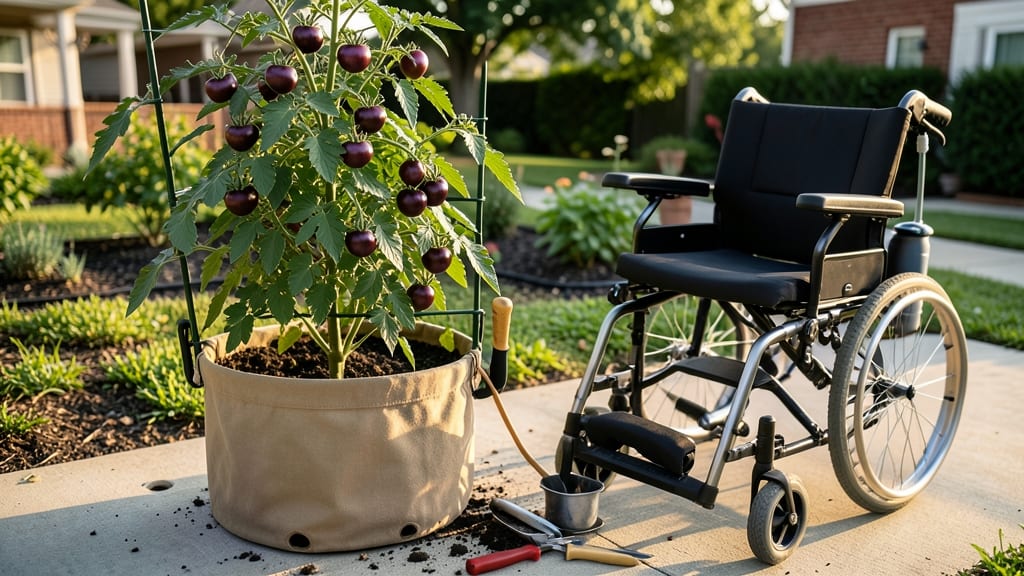
Gardening for people with disabilities becomes fully accessible through smart adaptations like raised planters, lightweight ergonomic tools, and adjustable-height seating. Voice-controlled watering systems and sensory-friendly designs further remove barriers, letting everyone enjoy gardening independently.
Accessible gardening isn't about limitations—it's about unlocking new possibilities. 🌿 The right tools and layout changes can transform gardening from a challenge into a rewarding hobby. For example, raised beds eliminate bending while allowing customizable heights, and tools with larger grips or extended handles reduce strain.
Many gardeners with mobility limitations find that adaptive seating—like padded stools or kneeling benches—makes working the soil far more comfortable. Beyond physical adaptations, sensory-friendly features like textured plants or aromatic herbs can enhance the experience for those with visual impairments.
What's often overlooked is how small modifications create big impacts. Voice-activated irrigation systems, for instance, let gardeners control watering without physical effort, while wider pathways accommodate wheelchairs or walkers. The key is starting with the individual's needs—whether that's grip strength, reach, or sensory preferences—and building from there.
Many adaptive tools are surprisingly affordable and widely available, making accessible gardening a realistic goal for everyone.
💡 In This Article
- Adaptive Gardening Tools That Improve Accessibility
- Designing an Accessible Garden Layout for All Abilities
Adaptive gardening tools that improve accessibility
Adaptive gardening tools are designed to address specific physical challenges, making tasks like planting, pruning, and weeding easier and more comfortable.
For example, one-handed pruners feature ergonomic handles that reduce grip strength requirements by up to 60%, allowing gardeners with arthritis or limited hand mobility to trim plants with ease.
These tools often include non-slip grips and adjustable tension, so users can customize the cutting force based on their strength level. The science behind these tools lies in biomechanics—they distribute pressure evenly across the hand, reducing strain on joints while maintaining precision.
Long-handled tools, like weeding forks or trowels with 30-inch extensions, eliminate the need to bend or kneel, which is a game-changer for those with back pain or limited lower-body mobility. These tools typically weigh less than 2 pounds, ensuring they’re lightweight yet sturdy enough to handle tough soil.
For gardeners with vision impairments, high-contrast tools—like brightly colored handles or textured grips—provide tactile feedback, making it easier to identify tools by touch alone. Some brands even offer weighted tools that vibrate slightly when in use, offering auditory cues for those who rely on sound to navigate their garden.
Sensory-friendly adaptations go beyond physical ease—they enhance the gardening experience. For instance, fragrant herb scissors (like those infused with lavender or mint) allow gardeners to identify plants by scent while cutting. This is particularly helpful for those with low vision, as the aroma acts as a natural guide.
Another innovation is voice-activated irrigation systems, which let users control watering schedules via smartphone apps or voice commands. These systems often include customizable alerts for watering needs, so gardeners can monitor their plants without physical interaction.
The technology behind them uses soil moisture sensors and AI-driven scheduling, ensuring plants receive the right amount of water without over- or under-watering.
When selecting tools, consider the materials—lightweight aluminum or composite handles are durable yet easy to maneuver, while adjustable-height tool holders (like wall-mounted racks) reduce reaching. For dexterity challenges, loop-handled tools (similar to those used in occupational therapy) provide a larger grip surface, making it easier to hold and control.
Many adaptive tools are now available through specialty retailers or even mainstream stores like Home Depot, with prices ranging from $15 for basic ergonomic gloves to $80 for high-end voice-controlled systems.
The key is to prioritize tools that match the user’s specific needs, whether that’s grip strength, reach, or sensory preferences.
What most people don’t realize is how small modifications can have a big impact. For example, padded tool grips reduce vibration fatigue, which is crucial for gardeners with repetitive strain injuries. Some tools even include built-in magnifiers or braille labels for added accessibility.
The goal isn’t just to make gardening possible—it’s to make it enjoyable and sustainable in the long run. By choosing the right tools, gardeners with disabilities can work at their own pace, without frustration or discomfort.
For those just starting, I recommend beginning with one or two adaptive tools—like a lightweight trowel and a kneeling pad—to test what feels most comfortable. Over time, you can expand your toolkit based on what works best for your garden and abilities.
The beauty of adaptive gardening is that it’s highly personal—there’s no one-size-fits-all solution, but the right tools can open up a world of possibilities. 🌱