
Advice
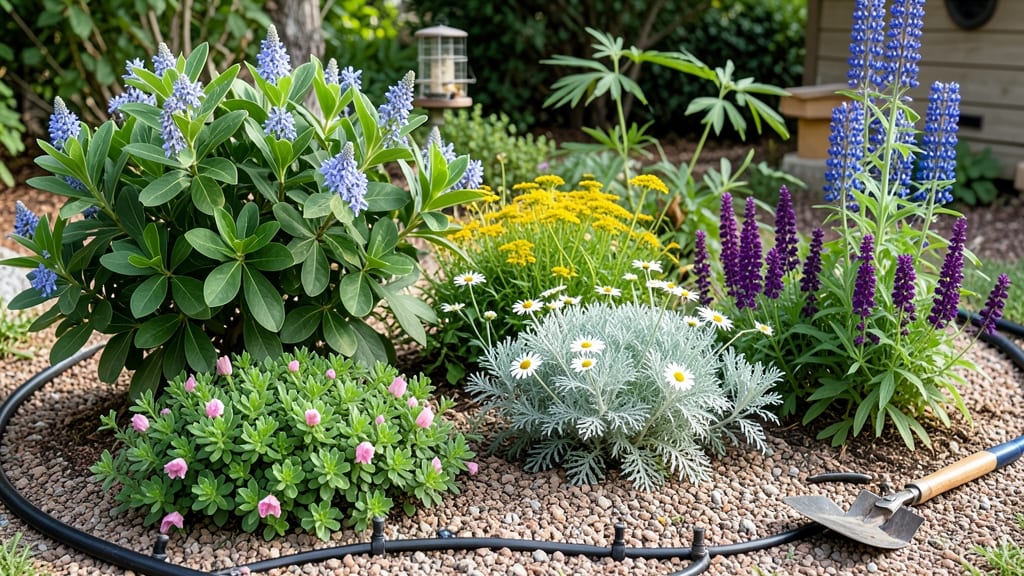
Gardening in Northern California means working with its unique microclimates—from coastal fog belts to inland valleys and mountain slopes—by choosing hardy native plants, adjusting irrigation to match seasonal shifts, and using protective mulch to shield roots from temperature swings. Smart soil prep and seasonal planting rotations help maximize success.
Northern California's diverse geography creates microclimates that can feel like different gardens in one region. 🌿 Coastal areas stay cooler and damper, while inland spots can bake under summer sun, and mountain zones experience rapid temperature swings.
I've learned that selecting plants suited to your specific zone—like manzanita for sun or fuchsia for shade—makes all the difference. The key is observing your yard's unique conditions: morning sun patterns, afternoon shade shifts, and how moisture lingers after rain.
For example, ceanothus thrives in well-drained soil with minimal water once established, while lavender needs full sun and hates soggy roots. Mulching with wood chips helps retain moisture while keeping roots cool in summer and insulated in winter.
Many gardeners here swear by drip irrigation systems, which deliver water directly to roots and reduce evaporation losses—critical during our dry summers.
💡 In This Article
- Northern California Microclimates and Plant Hardiness Zones
- Top Drought-Resistant Plants for Northern California Gardens
Northern California microclimates and plant hardiness zones
Northern California's gardening challenges begin with its dramatic microclimates—coastal areas like San Francisco experience 50-60°F average temperatures with persistent fog, while inland valleys (think Sacramento) can hit 90-100°F in summer.
Elevation plays a massive role too: mountain regions like the Sierra foothills drop 10-15°F per 1,000 feet gained, creating zones where plants suitable for coastal gardens would freeze inland. These variations explain why your neighbor's thriving garden might struggle in your yard just blocks away.
The USDA divides Northern California into zones 7b-10a, but microclimates within these zones create even finer distinctions. Coastal areas (zones 9b-10a) support tropical plants like bougainvillea that would crisp in inland 7b-8a zones.
The fog belt's high humidity also suppresses fungal diseases, while inland areas face more pest pressure from insects like aphids and scale. This is why native plants like toyons (California holly) thrive everywhere—they've evolved to handle these extremes naturally.
Understanding your microclimate means observing local patterns: How long does morning sun linger? When does afternoon shade appear? Coastal gardens might need afternoon shade for heat-sensitive plants, while inland areas require morning watering to prevent evaporation.
Soil temperature also varies—coastal soils stay cooler year-round, while inland soils can reach 120°F in summer. This affects seed germination: coastal gardeners can start seeds earlier, while inland gardeners often need to wait until soil warms to 60°F.
Elevation creates another layer of complexity. At 2,000 feet, you might grow apple trees that would struggle at sea level, while olive trees (zone 8a) thrive in coastal areas but need winter protection inland.
The key is matching plants to these specific conditions—just as manzanita handles coastal wind better than lavender, which prefers sheltered inland spots. Many gardeners here use windbreaks made from arbutus (madrona) to protect coastal plantings.
Seasonal shifts matter too. Coastal areas have 3-4 months of summer drought, while inland zones face 5-6 months of dry heat. This explains why succulents like sedum thrive inland but may rot in coastal shade.
The solution? Group plants with similar water needs together and use drip irrigation with timers set for early morning watering—when 30-40% less water is lost to evaporation compared to afternoon watering.
Pest pressure varies dramatically too. Coastal fog reduces spider mite populations, while inland gardens face more scale insects and whiteflies. Native plants like ceanothus (California lilac) attract beneficial insects that naturally control pests, while non-natives often require chemical interventions.
This ecological balance is why many restoration projects focus on reintroducing native species—they create self-sustaining ecosystems that require less human intervention.
Here's what to do first: Check your local Cooperative Extension Service records for your exact microclimate data, then observe your yard for 2-3 weeks to note sun patterns and moisture retention.
The small differences between zones 8a and 9a can mean the difference between thriving and struggling plants—knowledge that makes all the difference in Northern California's diverse gardening landscape. 🌿