
Blooming
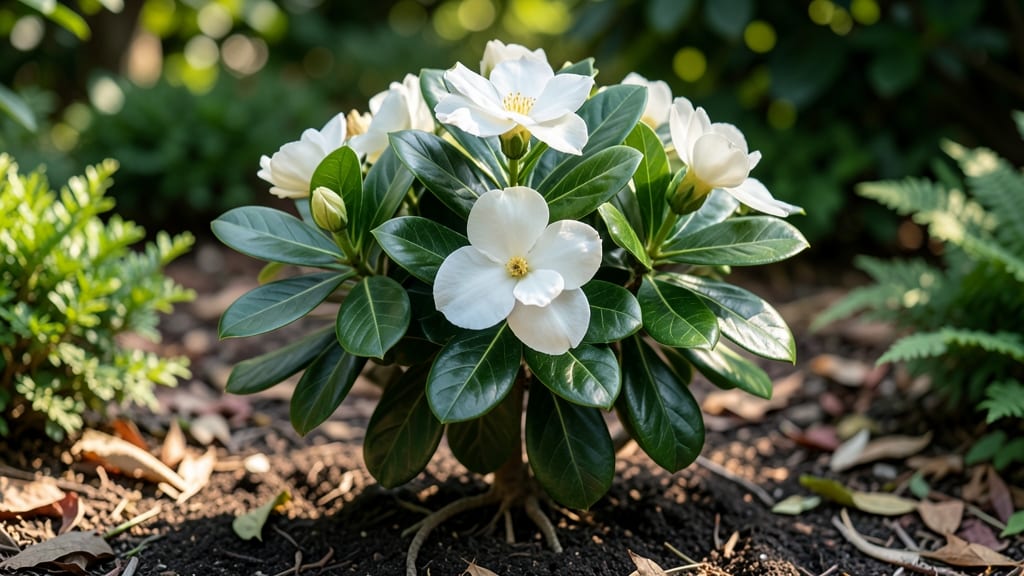
Gardenias in Texas bloom between late spring and early summer, but the exact timing depends on your region and variety—with some varieties pushing flowers as early as March in South Texas and others waiting until June in North Texas.
If you’ve ever wondered why your gardenias in Texas seem to bloom at the wrong time—or not at all—you’re not alone. Texas’s diverse climate zones drastically alter blooming cycles, and the wrong variety could leave you waiting months for those fragrant white blooms.
In USDA Zones 8a-10b, gardenias like G. jasminoides (the classic) and G. radicans (a smaller variety) thrive, but their schedules shift with heat and humidity.
Coastal areas like Houston may see blooms as early as April, while West Texas gardeners might need to wait until May or even June.
Below, I’ll break down the exact months for each variety, how to adjust care for your region, and the one pruning trick that guarantees more blooms next season—no matter where in Texas you’re planting.
Texas gardenia blooming seasons by variety: month-by-month guide
Texas gardenias thrive in the cooler months, but their exact blooming windows depend on variety and microclimate. In North Texas (Zones 8a-8b), gardenias often bloom from late March to May, while South Texas (Zones 9a-10a) varieties may start as early as February.
The key trigger? Temperatures consistently between 60°F–75°F—hotter or colder spells can delay or halt blooms entirely.
Urban areas like Austin or Dallas may experience earlier blooms due to heat islands, while rural East Texas gardens often see longer bloom seasons thanks to higher humidity. If your gardenia blooms seem off-schedule, check your local microclimate—even a 5°F difference can shift bloom timing by weeks.
For G. jasminoides, the classic Texas gardenia, expect two bloom cycles: a primary flush in spring (March–May) and a secondary flush in fall (September–October). This variety loves East Texas humidity but struggles in West Texas drought.
If your spring blooms are sparse, try light pruning in late winter to encourage new growth.
In South Texas (Zones 9a–10a), G. augusta often blooms earlier—as early as February—thanks to warmer winters. These gardenias thrive in shade and high humidity, making them perfect for Houston or San Antonio gardens.
However, bud drop is common if temperatures spike above 85°F during bloom season.
If you’re in North Texas (Zones 8a–8b), G. radicans (Cascade Gardenia) is your best bet for reliable spring blooms. Unlike other varieties, it blooms only once per year (April–June) but produces abundant, fragrant flowers.
To extend its bloom season, plant in partial shade and mulch heavily to retain moisture during Texas’s scorching summers.
For coastal Texas gardeners, G. fortunata is a standout performer with two bloom cycles (spring and fall). Its dark green leaves and large white flowers make it a showstopper, but it requires consistent moisture—a challenge in dry West Texas.
If your G. fortunata blooms early but fades quickly, reduce afternoon sun to prevent heat stress.
Urban gardeners in Austin or Dallas may notice their gardenias bloom 1–2 weeks earlier than rural areas due to heat island effect. To sync blooms with your desired timeline, prune lightly after the first frost (November) and avoid heavy fertilizing in summer, which can delay flowering.
Instead, focus on acidic soil amendments and consistent watering.
One common mistake Texas gardeners make is overwatering in summer, which can stress plants and halt blooms. Gardenias need 1–2 gallons of water per week but drainage is critical.
If your soil stays soggy for more than 24 hours, your gardenia may skip blooming entirely. Amend clay soil with organic matter like pine bark to improve drainage.
To encourage blooms year after year, prune in late winter (February) to remove dead wood and shape the shrub. Avoid heavy pruning—it can
How Texas climate zones (8a–10a) affect gardenia blooms: what to plant where
Texas’s USDA zones 8a–10a create dramatic differences in gardenia blooming seasons. In humid East Texas (9a–10a), gardenias often bloom from late February through May, while drier West Texas (8a–9a) varieties may wait until April or May—or skip blooms entirely if stressed.
The key? Matching varieties to microclimates and adjusting care to local conditions.
East Texas’s high humidity (90%+) and mild winters suit G. jasminoides, which thrives with year-round blooms if pruned correctly. Meanwhile, West Texas’s arid conditions (8a) demand drought-tolerant varieties like G. radicans, which blooms later but handles lower rainfall.
Your zone dictates not just when they bloom, but whether they’ll survive the season.
To extend blooms, prune spent flowers in spring (March) and lightly in fall (October). In Zone 8a, winter protection is critical—wrap plants in burlap and water sparingly to prevent root rot. In Zone 10a, shade cloth (30%) during summer afternoons prevents bud drop from heat stress.
Watch for bud drop, a common Texas issue caused by temperature swings or poor drainage. If buds form but fall, amend soil with peat moss and avoid overhead watering.
In East Texas, high humidity can also trigger powdery mildew—spray with neem oil preemptively in May.
Pro tip: Plant gardenias near hydrangeas—they share acidic soil needs and partial shade preferences. This dual-planting strategy saves time and ensures both thrive in your zone’s conditions. Just remember, West Texas gardenias need less water, while East Texas varieties crave moisture.
With the right variety + care tweaks, your Texas gardenias can bloom earlier, longer, and more reliably. Start by checking your local frost dates, then adjust pruning and watering to match your zone’s quirks. Happy gardening! 🌸