
Blooming
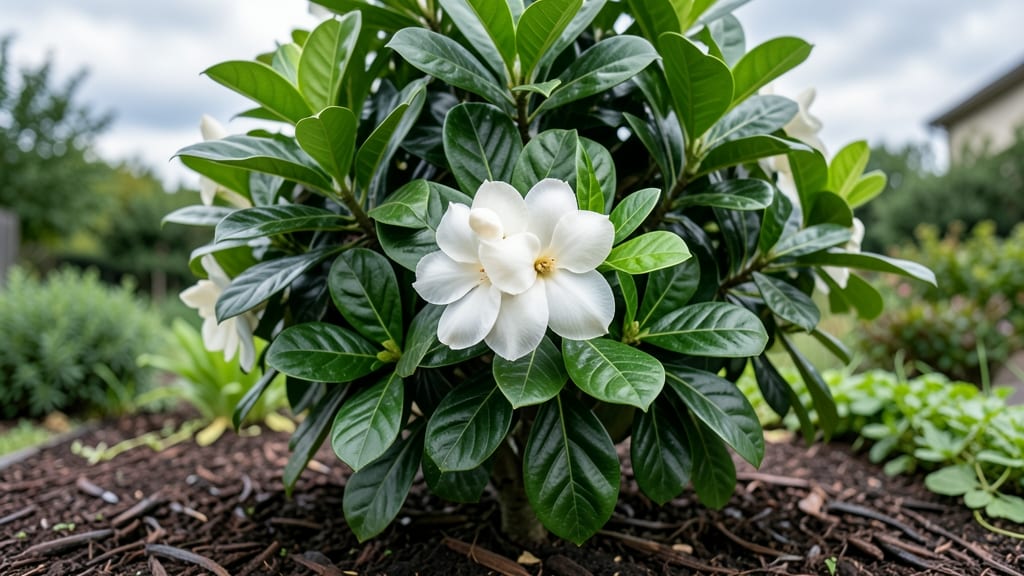
Gardenias in Zone 9 bloom from late winter through summer 🌸, with most varieties gracing your garden between March and August.
If you’ve ever dreamed of filling your Zone 9 garden with intoxicating gardenia blooms, timing is everything—miss the window, and you’ll miss the show. These fragrant stars thrive in warm climates, but their bloom schedule follows precise seasonal cues that every gardener should know.
Unlike cooler regions, Zone 9’s mild winters mean gardenias often start budding earlier, sometimes as soon as January. The key to longer blooms lies in sunlight, soil pH, and smart pruning—all things you can control to extend that fragrant season.
Below, I’ll break down the exact months to expect blooms, how to encourage more flowers, and the simple care tweaks that make all the difference in your garden.
Gardenias bloom timeline in Zone 9: month-by-month breakdown
If you’re growing gardenias in Zone 9, you’re in luck—these fragrant shrubs thrive year-round with minimal frost risk. But their blooming schedule still follows a predictable rhythm tied to temperature shifts and seasonal cues.
Unlike cooler climates, Zone 9 gardenias often bloom earlier and longer, with some varieties producing flowers in three distinct waves per year. Understanding this timeline helps you anticipate their intoxicating fragrance and adjust care routines accordingly.
The key to timing gardenia blooms in Zone 9 lies in its mild winters and warm springs.
While traditional gardenias in cooler zones bloom once in late spring, Zone 9’s extended growing season often triggers early spring blooms (January-February), a peak summer display (May-July), and sometimes a fall rebloom (September-October)—especially with extended-bloom varieties like 'Kleim's Hardy' or 'Radicans'.
Temperature fluctuations below 60°F can delay buds, while consistent warmth above 75°F may shorten the bloom window.
| Month | Bloom Stage | Key Conditions | Care Tips |
|---|---|---|---|
| January | Early Bud Formation | Cool nights (<65°F), warm days (70°F+) | Increase watering; fertilize lightly with iron |
| February | First Blooms Open | Stable temps (65-75°F) | Prune spent blooms; maintain partial shade |
| March-April | Peak Blooming | Warm days (75-85°F), humid | Deep watering; avoid overhead spraying |
| May-July | Summer Rebloom | Hot days (85-95°F), dry spells | Mulch to retain moisture; provide afternoon shade |
| September-October | Fall Blooms (Extended Varieties) | Cooling temps (70-80°F) | Light fertilizer; prepare for winter dormancy |
| November-December | Dormancy (Bud Setup) | Mild temps (60-70°F) | Reduce watering; prune lightly for shape |
In January, gardenias in Zone 9 begin setting buds as daytime temperatures rise above 65°F. This is your first chance to spot swollen green buds along the stems—signs that blooms are imminent.
For extended-bloom varieties, these early flowers may last until February, especially if you’ve maintained acidic soil (pH 5.0-6.5) and provided consistent moisture. The fragrance at this stage is often the strongest, making it a prized time for gardeners who love evening strolls through their yards.
By March and April, gardenias typically reach their peak blooming period, with clusters of creamy-white flowers covering the shrub. This is when you’ll see the most dramatic displays, especially if your plant received a light fertilizer boost in February.
However, Zone 9’s summer heat can stress gardenias, causing buds to drop if temperatures exceed 90°F without afternoon shade. To combat this, I recommend installing light shade cloth (30-50%) during the hottest months or positioning your gardenia where it gets morning sun and afternoon shade.
The summer rebloom (May-July) is where Zone 9 gardenias truly shine. Unlike their cooler-climate cousins, these shrubs often produce a second flush of blooms if given proper care. The key to encouraging this is deep, infrequent watering—gardenias hate soggy roots but need consistent moisture to set new buds.
I’ve found that mulching with pine bark helps retain humidity around the roots, which is crucial for bud formation. During this period, watch for yellowing leaves, a sign of iron deficiency—a common issue in Zone 9’s alkaline soils.
For gardeners with extended-bloom varieties, the real magic happens in September and October. As temperatures dip slightly, these varieties often produce a third, smaller bloom cycle. This is your last chance to enjoy gardenias before they enter winter dormancy.
Now’s the time to prune lightly to shape the shrub and remove any diseased branches. Avoid heavy pruning, as it can reduce next year’s bloom potential. Instead, focus on cleaning up spent flowers and preparing the plant for the cooler, drier months ahead.
Throughout the year, temperature fluctuations play a critical role in gardenia blooming. In Zone 9, sudden drops below 60°F can shock the plant and delay bud formation, while prolonged heat above 95°F may cause buds to abort. To mitigate these issues, I’ve had success using
How to extend gardenia blooming season in Zone 9 heat
Zone 9 gardeners know the struggle—your gardenia bushes bloom beautifully in spring, but by summer, the heat often sends them into early dormancy. The good news? With the right strategies, you can extend that fragrant display by 2-3 months.
The key lies in heat management, pruning precision, and nutrient timing that aligns with your climate’s natural rhythms.
First, let’s address the biggest challenge: summer heat stress. Gardenias are tropical plants at heart, but even they need help when temperatures climb above 90°F. Without intervention, buds form in early spring, bloom by May, and then—poof—the plant conserves energy for survival.
But with targeted care, you can trick your gardenias into blooming later and longer, even through July and August.
Start with pruning for balance. Most gardeners make the mistake of pruning after blooms fade, but in Zone 9, you should prune lightly in late summer (August-September) instead.
This encourages new growth that will bud earlier next spring and sets the stage for a longer bloom season the following year. Use clean, sharp shears to trim back 1/3 of the oldest stems, focusing on overcrowded or leggy branches.
Watering is where many Zone 9 gardeners go wrong. Gardenias need consistent moisture, but they hate soggy roots. During heatwaves, water deeply every 2-3 days at dawn—this mimics natural rainfall and prevents bud drop.
Add 2-3 inches of mulch around the base to retain moisture and regulate soil temperature. Pro tip: Use rainwater or distilled water if your tap water is alkaline, as gardenias thrive in acidic conditions (pH 5.0-6.5).
Fertilizer timing is critical. Skip summer feeding entirely—heat stress makes plants vulnerable to fertilizer burn. Instead, feed lightly in late winter (January) with an acid-loving plant fertilizer (10-10-10) and again in early spring (March) when buds form.
For a second bloom push, apply a half-strength dose in late summer (September) to encourage fall buds that may bloom into early winter.
Finally, shade management can make or break your gardenias’ summer performance. Install lightweight shade cloth (30-50%) over the plant during the hottest afternoon hours (12 PM - 4 PM). This reduces heat stress while still allowing morning sunlight, which is essential for bud formation.
For potted gardenias, move them to a sheltered spot like a covered patio or under a pergola during peak heat.
With these tweaks, your gardenias won’t just survive Zone 9’s heat—they’ll thrive and bloom longer, filling your garden with fragrance from spring through early fall. 🌿