
Plants
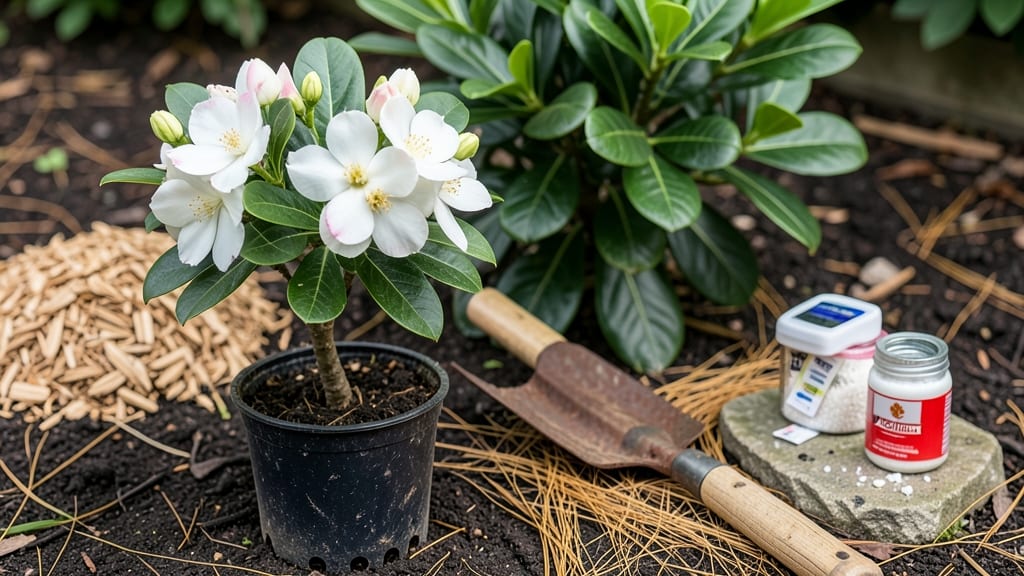
Plant gardenias in North Carolina between mid-March and April, once the last frost has passed and soil warms to at least 60°F—the sweet spot for root growth before summer heat arrives.
Gardenias are North Carolina’s fragrant crown jewels—but planting them at the wrong time can mean wilted dreams instead of lush blooms. Timing is everything, and NC’s unique frost-free zones demand precision for thriving gardenias.
Think you can just pop them in the ground anytime? Not in NC’s 7a-8b zones, where late frosts can still linger into April. A gardenia planted too early risks stunted growth, while waiting too long means struggling to establish roots before summer’s brutal heat sets in.
In this guide, I’ll walk you through the exact frost-free window for your region, how to prep soil for acid-loving blooms, and why container planting might be your best bet if your yard’s shade game is weak.
NC frost-free Zone map: best planting months by region
North Carolina’s USDA Zones 7a-8b create a perfect climate for gardenias—but timing your planting is critical. The average last frost date varies dramatically across the state, from mid-March in the mountains to early April in the Piedmont.
Plant too early, and frost will damage tender roots; too late, and your gardenia won’t establish before summer heat arrives. Let’s break down the optimal planting windows for your specific NC region.
For Zone 7a (western NC), aim to plant after April 15 to avoid late frosts that can linger until mid-May in higher elevations.
In Zone 8a (central NC), you’ll have a wider window—March 20 to April 30—but monitor local forecasts. Zone 8b (coastal NC) gardeners can plant as early as February 28, but wait until soil warms to 60°F+ for best root development.
These windows ensure your gardenia’s delicate roots aren’t shocked by cold snaps.
Here’s the key difference between 'Kleim’s Hardy' and 'Radicans' varieties: the hardy type tolerates slightly cooler soil (as low as 55°F) and can handle early April plantings in Zone 7a, while 'Radicans' prefers warmer soil (60°F+) and thrives when planted after April 15 statewide.
Both varieties bloom best when planted 4-6 weeks before summer’s peak heat, giving roots time to establish before 90°F+ temperatures arrive.
🌸
| NC Region | USDA Zone | Last Frost Date | Ideal Planting Window | Soil Temp Threshold |
|---|---|---|---|---|
| Western NC (Asheville) | 7a | April 15 | April 20 - May 10 | 60°F+ |
| Central NC (Raleigh) | 8a | March 20 | March 25 - April 30 | 55°F+ (Kleim’s Hardy) |
| Eastern NC (Greenville) | 8a | March 10 | March 15 - April 15 | 58°F+ |
| Coastal NC (Wilmington) | 8b | February 28 | February 28 - April 1 | 60°F+ |
| Mountains (Boone) | 6b (edge) | May 1 | May 10 - June 1 | 65°F+ (only Kleim’s Hardy) |
Early spring plantings (before April 1) carry the highest frost risk, but they also give your gardenia 6-8 weeks of root growth before summer’s peak. Late spring plantings (after May 1) reduce frost risk but may stress plants during NC’s brutal summer heat.
My recommendation? Plant in late April for a balance—this gives roots time to establish while avoiding the hottest July temperatures that can cause transplant shock.
Pro tip: Use black plastic mulch to warm soil faster in early spring plantings. This raises soil temps by 5-10°F, helping roots establish 2 weeks earlier than unmulched beds.
Just remove it after 6 weeks to prevent overheating. For container gardenias, plant after May 15—potted plants are even more vulnerable to temperature swings than in-ground varieties.
Don’t overlook microclimates in your yard. A south-facing slope warms up 1-2 weeks earlier than a north-facing valley, creating localized planting windows. Test your soil’s warming rate by placing a soil thermometer at planting depth (6 inches) for 3 days.
If temps consistently stay above 60°F, your gardenia is ready for the ground.
For container gardenias, the rules shift slightly. Potted plants can handle earlier plantings (March 15) because you can move them indoors if frost threatens. However, they’ll need daily watering during NC’s dry springs.
My go-to method: Plant container gardenias in early April, then bury the pots halfway underground to stabilize temps and reduce watering needs.
🪴
Signs your NC soil is ready for gardenias (before you plant)
Before you dig into planting gardenias in North Carolina, your soil must meet three critical conditions: warmth, moisture, and acidity. Skipping these checks often leads to stunted growth or even plant death—especially in NC’s humid climate where roots struggle in the wrong conditions.
Let’s break down what to look for before you plant.
First, check your soil temperature. Gardenias thrive when soil stays above 60°F—any cooler, and their roots slow down or refuse to establish. Use a soil thermometer (or your finger: if it feels cold to the touch, wait a week or two).
In most of NC, this means waiting until mid-April or later, depending on your microclimate.
Next, test for moisture levels. Gardenias love humidity but hate soggy roots. Stick your finger 2 inches deep—if it feels dry, your soil isn’t ready. A quick fix?
Amend with organic compost or peat moss to improve drainage while retaining moisture. NC’s clay-heavy soils often need this adjustment to prevent root rot.
🌱 3 Must-Check Soil Signs Before Planting Gardenias
- 🌡️ Temperature: Soil must be 60°F+ (use a thermometer)
- 💧 Moisture: Top 2" should feel damp (not soggy)
- 🧪 pH Level: Test for 5.0–6.0 (acidic soil only)
⚠️ Pro Tip: If your soil fails any test, amend with sulfur (for pH) or compost (for moisture) before planting.
Don’t overlook soil acidity, the most critical factor for gardenias. Use a pH test kit (available at garden centers) to confirm your soil falls between 5.0 and 6.0.
NC’s native soils often lean alkaline, which stresses gardenias. If your test shows pH 7.0+, mix in elemental sulfur or pine needles to lower it gradually over 2–3 months.
Finally, observe your garden’s microclimate. Gardenias hate cold drafts but love afternoon shade in NC’s hot summers. Pick a spot sheltered from northern winds and shielded by trees or a fence.
In coastal NC, where humidity is higher, choose a location with circulation to prevent fungal diseases like powdery mildew.
Once you’ve confirmed all three conditions—warm soil, balanced moisture, and acidic pH