
Watering
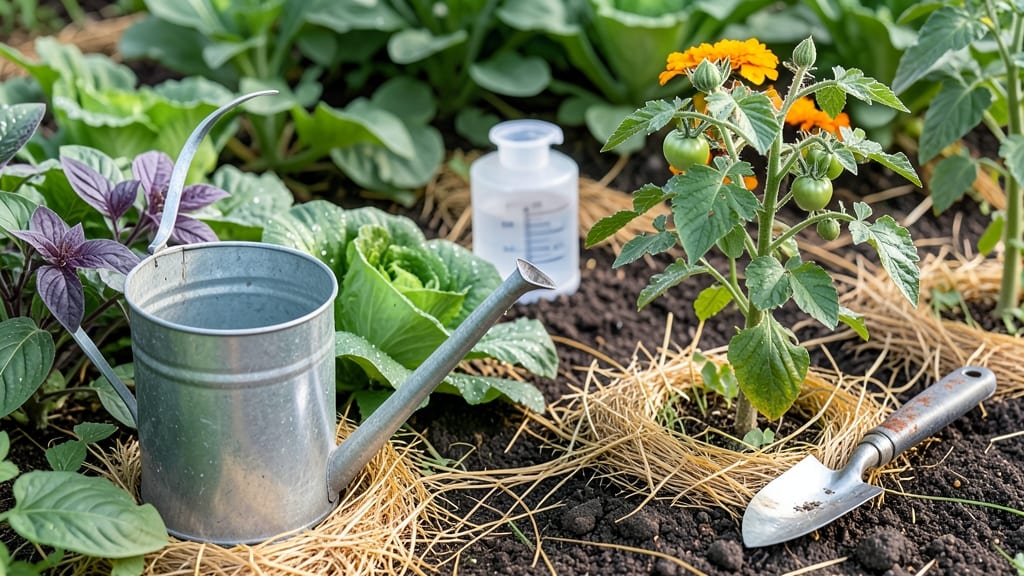
A garden needs how much water does a garden need per day to thrive—but guessing that amount can mean the difference between lush blooms and sad, wilted 🌱 leaves.
Most gardeners overwater or underwater without realizing it, and the results are the same: stunted growth, yellowing foliage, or even plant death.
The truth is, your garden’s water needs depend on far more than just the calendar—soil type, plant variety, and even the time of day you water all play a role.
In this guide, I’ll break down the exact formula for calculating your garden’s daily water needs, tailored to your plants and climate. You’ll learn how to read your soil, adjust for heatwaves or droughts, and avoid the most common mistakes that waste water (and money).
By the end, you’ll water with confidence—no more guesswork, just science-backed precision for a garden that stays healthy all season long.
Daily water requirements by plant type: the science-backed formula
Watering your garden isn't a one-size-fits-all task—each plant type has unique needs based on its root depth, leaf surface area, and climate zone. For example, tomatoes with deep roots need 1-2 inches of water weekly, while marigolds thrive with just ½ inch every 3-4 days.
The key is understanding evapotranspiration rates, which measure how quickly plants lose water through evaporation and transpiration.
Your garden's soil type and humidity levels also play critical roles. Sandy soil drains quickly, requiring frequent shallow watering, while clay holds moisture longer, needing deep but less frequent watering.
Even the time of day matters—watering in the early morning reduces evaporation and fungal risks compared to evening watering. Let's break down the science so you can tailor your watering routine to each plant's needs.
📊 SUMMARY-TABLE: Daily Water Needs by Plant Type
| Plant Type | Water Needs (Per Week) | Root Depth | Best Watering Time | Climate Adjustment |
|---|---|---|---|---|
| Vegetables (Tomatoes, Peppers, Cucumbers) | 1.5–2 inches | 12–18 inches | Morning (6–9 AM) | +30% in Zone 9+, -20% in Zone 4 |
| Herbs (Basil, Parsley, Dill) | ½–1 inch | 6–12 inches | Evening (if no rain) | +20% in containers |
| Flowers (Roses, Petunias, Lavender) | 1–1.5 inches | 8–12 inches | Morning or Dusk | -15% in humid zones |
| Shrubs (Boxwood, Hydrangeas, Azaleas) | 1–1.5 inches | 12–24 inches | Deep watering (weekly) | +50% in drought |
| Trees (Young Fruit Trees, Ornamentals) | 2–3 inches | 24+ inches | Slow drip (base only) | -30% in rain |
*Adjust for sandy soil (+20%) or clay soil (-15%).
To customize this formula for your garden, start by measuring your so
How to calculate your garden’s exact water needs (step-by-step guide)
Figuring out how much water your garden needs isn’t about guessing—it’s about science. Every plant has a specific moisture threshold, and watering too much or too little can stress them.
The key is measuring soil moisture and adjusting based on plant type, season, and climate. With the right approach, you’ll save water and keep your garden thriving.
Start by understanding that most gardens need 1-2 inches of water per week, but this varies wildly. Succulents like lavender might need just 0.5 inches, while thirsty tomatoes can demand 2+ inches in peak summer.
The trick? Check soil moisture daily and adjust for rain or heatwaves. Let’s break it down step by step.
Step-by-Step Guide to Calculating Water Needs
-
Step 1: Test Soil Moisture
Use a moisture meter or DIY method (stick a screwdriver into the soil—if it resists, water is needed). Aim for 40-60% moisture in the root zone.
-
Step 2: Group Plants by Needs
Categorize plants into low (succulents, rosemary), medium (basil, marigolds), and high (peppers, cucumbers) water users. Water each group separately.
-
Step 3: Measure Root Depth
Water deeply enough to reach the deepest roots. For example, tomatoes need 12-18 inches of moisture, while herbs may only need 6 inches.
-
Step 4: Adjust for Climate
In hot, dry climates, increase water by 30-50%. In humid areas, reduce by 20-30%. Always water early morning to minimize evaporation.
-
Step 5: Use Tools for Precision
For budget-friendly options, try a tensiometer ($20) or a DIY stick test. For tech-savvy gardeners, smart sprinklers automate adjustments based on weather forecasts.
-
Step 6: Monitor and Adjust
Check plants for wilting (underwatering) or yellowing leaves (overwatering). Adjust your schedule every 2-4 weeks to account for seasonal changes.
Don’t let weather forecasts fool you—just because it rained yesterday doesn’t mean your container plants are hydrated. Containers dry out 3x faster than in-ground soil, so check them daily. Mulch with straw or wood chips to lock in moisture and reduce evaporation by up to 50%.
Pro tip: Keep a watering journal to track what works. Note the date, time, amount of water, and plant responses. Over time, you’ll spot patterns—like how your zucchini plants wilt by noon in July but thrive with morning watering.
This data turns guesswork into a personalized watering system tailored to your garden’s unique needs.
Remember, the goal isn’t perfection—it’s consistency. Even a 5-minute daily check can prevent costly mistakes. With these steps, you’ll water smarter, not harder, and watch your garden flourish without waste.