
Plants
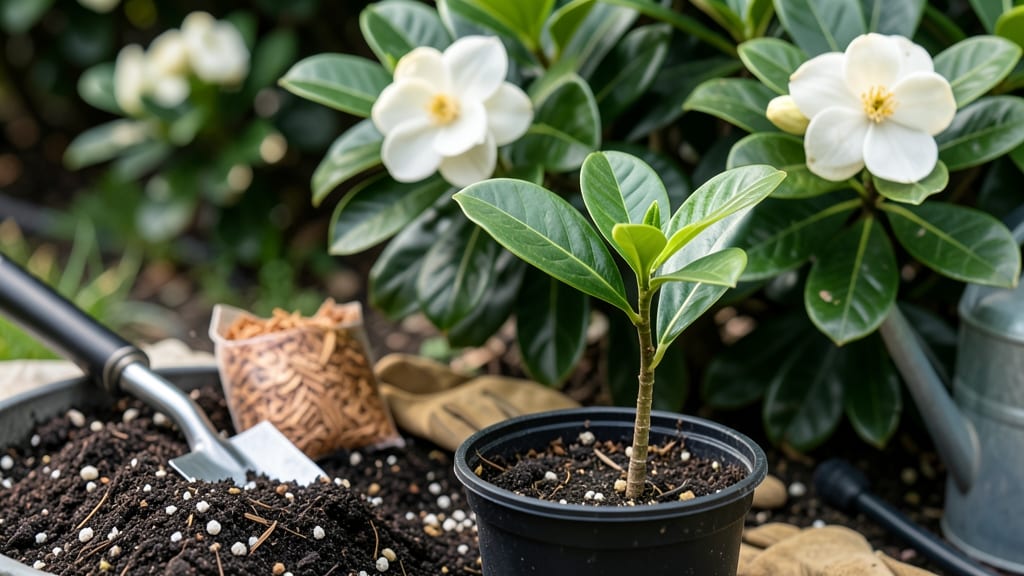
Planting gardenias in Texas at the right time means the difference between fragrant blooms all season and struggling shrubs that never quite thrive 🌸.
Texas gardeners know the struggle—plant gardenias too early, and frost stunts growth; too late, and summer heat stresses young plants. Timing is everything for vibrant blooms that last all season.
In USDA zones 8a-10b, your best window is late February through April after the last frost, or September through October for fall planting. But Texas isn’t one-size-fits-all—North Texas needs to wait until March, while the Gulf Coast can plant as early as January.
Below, I’ll break down the exact months for your region, soil prep secrets, and how to protect your gardenias from Texas’s brutal summers—so you can enjoy those intoxicating flowers without the guesswork.
Optimal planting months for gardenias in Texas by region
Texas's diverse climate means gardenia planting timing varies dramatically from the Panhandle to the Rio Grande Valley. In North Texas (USDA Zones 7b-8a), where last frost often hits mid-February, wait until late March to plant.
Meanwhile, South Texas (Zones 9a-10b) gardeners can start as early as January—but avoid summer heat stress by planting in fall (September-October). Central Texas (Zones 8a-8b) falls right in the middle with February-April as ideal.
Gardenias thrive when planted after soil warms to 60°F (15°C), which typically occurs 2-4 weeks after last frost in most regions. Fall planting is a smart move in hotter areas—it gives roots time to establish before summer's intensity.
However, avoid planting when buds are forming, as transplant shock can ruin blooms. The key is balance: cool enough for root growth, but warm enough to prevent chilling.
Here’s how Texas’s three main regions stack up for gardenia planting:
In North Texas, where winters can dip below freezing, I always plant gardenias after the last frost—typically by late March.
The soil needs time to warm up, and young roots are vulnerable to cold snaps that linger until April. Mulching heavily with pine bark helps insulate roots during unexpected cold snaps. For Central Texas, I’ve had the most success with fall planting in September.
This gives roots a head start before summer’s brutal heat arrives.
For South Texas gardeners, the window is narrower but earlier. Plant in January or February to beat the summer heat, or opt for September to avoid the worst of it. The key is avoiding transplant shock during peak heat (June–August).
If you must plant in summer, do it in early morning or late evening and provide daily shade cloth for the first 2 weeks. Pro tip: Soak roots before planting to reduce shock.
Humidity plays a surprising role in Texas gardenia success. In eastern Texas, where humidity hovers above 70%, gardenias thrive with morning sun and afternoon shade. But in West Texas, lower humidity means more frequent watering (every 2–3 days in summer) to keep soil moist.
Always test soil moisture by sticking your finger 2 inches deep—if it’s dry, water deeply. Overwatering is just as harmful as underwatering in our clay-heavy soils.
One mistake I see often is planting gardenias too close to other shrubs. They need 3–4 feet of space to mature without competition. In urban areas, where space is tight, choose dwarf varieties like ‘Kleim’s Hardy’ (3–4 feet tall).
For larger landscapes, standard types like ‘Radicans’ (6 feet) shine but require pruning every 2–3 years to maintain shape. Always prune right after blooming to encourage next year’s flowers.
Finally, soil pH is non-negotiable. Gardenias demand acidic soil (5.0–6.0). If your soil tests higher, amend with sulfur or peat moss before planting. In calcareous soils (common in North Texas), I mix in pine fines to lower pH gradually.
A quick test: if your soil feels gritty or smells like chalk, it’s likely too alkaline. Adjusting pH takes time—start amending 3–4 months before planting.
Timing your gardenia planting right ensures vibrant blooms and healthy growth all season. Whether you’re in freeze-prone North Texas or humid South Texas, follow these regional guidelines, and you’ll enjoy fragrant white blooms from spring to fall. Happy planting! 🌸
Signs your Texas gardenia planting timing is perfect (or wrong)
Getting your gardenia planting timing right in Texas means watching for subtle but critical clues from your plant and environment. The soil temperature is your first indicator—ideal conditions occur when the ground warms to 65°F or above.
Stick your finger about 2 inches deep; if it feels comfortably warm (like a hot bath), your gardenia is ready to go in the ground.
Next, observe the new growth on your gardenia plant. Healthy leaf color shifts from deep green to a vibrant, almost glossy hue when conditions are perfect. Avoid planting if leaves appear yellow or wilted—this signals stress from early planting or late-season heat.
The plant should also show root establishment, with firm, white roots when gently removed from its container.
Timing also depends on your Texas region.
In North Texas (Zone 8a), aim for late March to April, while Central Texas (Zone 8b-9a) thrives with February to early March plantings. South Texas (Zone 9b-10b)** gardeners can plant as early as January, but always wait until the last frost date has passed.
⚠️ Warning: Common Mistakes to Avoid
- Planting too early risks frost damage—wait until soil temps stay above 65°F for 3+ days.
- Ignoring leaf signals—yellowing leaves mean stress from cold or heat; wait for deep green foliage.
- Skipping root check—roots should be white and firm; gray or mushy roots indicate rot from overwatering.
Adjust your planting date if you spot these red flags—your gardenia’s health depends on it!
If you’ve missed the ideal window, don’t panic! Fall planting (September-October) is your second chance, as cooler temps help roots establish before winter. Just ensure the soil remains workable—avoid muddy conditions, which can suffocate roots. Mulch with 2-3 inches of organic material to regulate soil temperature and retain moisture.
For container gardenias, timing is equally critical. Plant when your outdoor temps stay above 50°F at night—this prevents shock. Monitor the root ball for signs of root circling (a sign it’s time to repot or transplant).
If roots spiral around the container, your plant is root-bound and needs more space.
Finally, trust your local climate cues. Humidity spikes in Texas summers can stress young plants, so avoid planting during peak heat (June-August). Instead, opt for early morning or late afternoon transplanting to reduce shock.
With these signs in mind, your gardenia will thrive and reward you with fragrant blooms all season.
🌸