
Planting
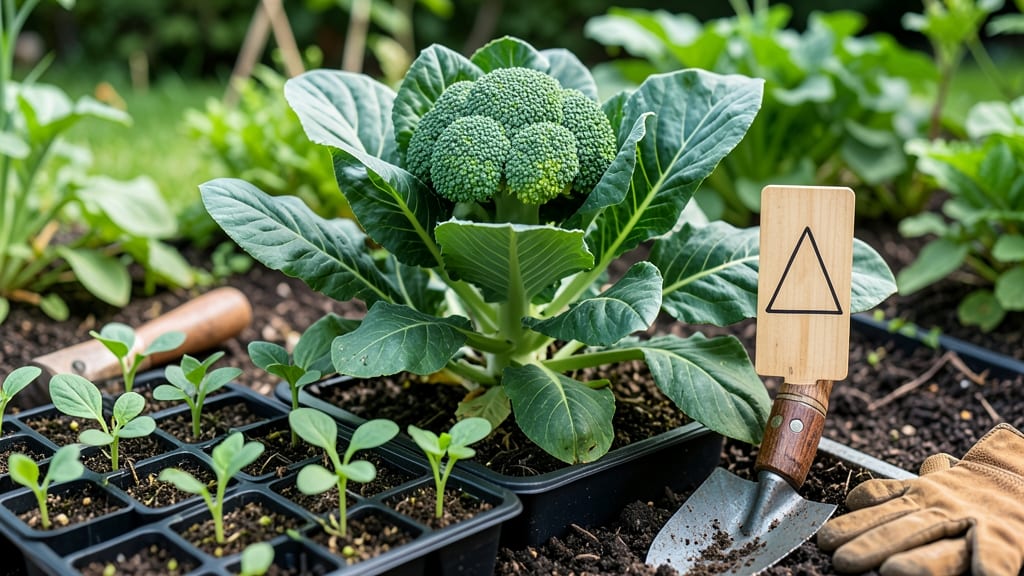
Planting your fall garden in Florida starts in late August—just as the summer heat begins to ease—but timing is the difference between a thriving harvest and a struggle.
Florida’s long growing season lets you enjoy fresh produce year-round—but planting your fall garden at the wrong time can mean wilting plants or wasted effort. Timing is everything, especially when balancing humidity, heat, and Florida’s unpredictable tropical weather patterns.
This guide breaks down the exact months to plant by Florida’s three zones, the heat-tolerant crops that thrive in late summer, and how to beat humidity with mulch, shade, and smart watering.
You’ll learn which crops to start in August, which wait until September, and how to stretch your harvest into December—without losing your plants to Florida’s quirks.
Best planting months for Florida fall gardens by temperature zones
Florida’s three distinct temperature zones—North, Central, and South—each demand precise timing for a successful fall garden. Planting too early risks heat stress, while waiting too long may expose crops to early winter chill.
The key is understanding your zone’s last frost date (or lack thereof) and selecting heat-tolerant varieties that transition smoothly into cooler weather.
In North Florida (Zones 8a-9a), where temperatures dip closer to 50°F by December, your planting window is tighter. Central Florida (Zones 9a-9b) offers a longer grace period, while South Florida (Zones 10a-11) can extend growing seasons nearly year-round.
Below, I’ve broken down the exact months to plant for each zone, along with the best crops to prioritize.
For North Florida, focus on cool-season crops like collards and turnips, which thrive in 60–75°F temperatures.
Start seeds indoors in early August to give them a head start before transplanting outdoors by mid-September. Central Florida gardeners have more flexibility but should avoid planting after October 1, as daytime highs drop below 80°F, stressing heat-loving plants.
In South Florida, where frost is rare, you can push the envelope with warm-season crops like tomatoes and peppers well into October. However, pair them with shade cloth by late fall to protect against unexpected cool snaps.
Pro tip: Use mulch to retain soil warmth and extend the growing season by 2–4 weeks in all zones.
One common mistake? Planting lettuce or spinach too early in Central or South Florida. These crops bolt (go to seed) when daytime temps exceed 80°F. Instead, opt for heat-tolerant varieties like Jericho lettuce or Malabar spinach, which handle 90°F+ better than traditional options.
If you’re transitioning from a summer garden, clear out warm-season plants like cucumbers and squash by mid-August to avoid competition. Replace them with fall staples like broccoli and carrots, which perform best when planted in well-draining, compost-amended soil. Aim for a pH of 6.0–7.0 to maximize nutrient uptake.
For container gardening, stick to compact varieties like bush beans or dwarf tomatoes (e.g., Tiny Tim). These thrive in 5-gallon pots and can be moved to shaded patios if nighttime temps dip below 60°F.
Just ensure pots have drainage holes to prevent root rot in Florida’s humid climate.
Remember: Florida’s humidity and unpredictable rains mean you’ll need to monitor soil moisture closely. Water deeply 2–3 times per week in August, then taper to every other day as temperatures cool. Always water in the morning to reduce fungal diseases like powdery mildew, which thrives in damp, warm conditions.
By following these zone-specific guidelines, you’ll avoid the pitfalls of overlapping seasons and ensure a bountiful fall harvest—whether you’re in Panama City, Orlando, or Miami. Happy planting! 🌱
Top 10 heat-tolerant fall vegetables for Florida’s climate
Florida’s late-summer heat can still produce bountiful harvests if you choose the right heat-tolerant vegetables. These varieties thrive when daytime temperatures hover between 80°F and 90°F, making them perfect for August and early September plantings.
The key is selecting crops that handle humidity while avoiding bolting or wilting—common pitfalls in Florida’s sticky climate.
My top picks focus on fast-maturing, shallow-rooted crops that establish quickly before cooler weather arrives. Each variety includes planting depth, spacing guidelines, and companion planting tips to maximize your garden’s potential.
For example, okra and sweet potatoes are powerhouses that not only tolerate heat but also improve soil structure for future plantings.
🌱 STYLED-LIST: Florida’s Best Heat-Tolerant Fall Vegetables
Companion: Tomatoes, peppers, marigolds
Heat Tip: Thrives in 90°F+; harvest pods at 3-4 inches for tenderness
Companion: Bush beans, corn, nasturtiums
Heat Tip: Needs full sun; harvest 100-120 days after planting
Companion: Cucumbers, squash, radishes
Heat Tip: Drought-tolerant; fix nitrogen in soil
Companion: Eggplant, basil, lettuce
Heat Tip: No frost damage; harvest leaves as needed
Companion: Marigolds, onions, thyme
Heat Tip: Mulch with straw to retain moisture
For leafy greens, Malabar spinach and Swiss chard are standout performers in Florida’s heat. Unlike traditional lettuce, these varieties won’t bolt prematurely. Plant them 12-18 inches apart in well-draining soil amended with compost. Pair them with basil or marigolds to deter pests like aphids, which thrive in humid conditions.
If you’re aiming for longer harvests, prioritize okra and sweet potatoes. Okra’s fibrous roots help break up compacted soil, while sweet potatoes’ vines spread efficiently in Florida’s warm beds.
Both crops benefit from drip irrigation to avoid fungal issues caused by overhead watering. Start seeds directly in the garden—they dislike transplant shock.
Don’t overlook black-eyed peas for their versatility. These nitrogen-fixing legumes improve soil health while providing a quick harvest (as early as 50 days). Space them 4-6 inches apart in full sun, and interplant with radishes (which mature in 30 days) to maximize space.
Their drought tolerance makes them ideal for Florida’s erratic rainfall patterns.
Pro tip: Mulch heavily with straw or pine needles to conserve moisture and regulate soil temperature. This simple step can extend your harvest window by 2-3 weeks, especially for eggplant and Malabar spinach, which appreciate consistent moisture without soggy roots.