
Planting
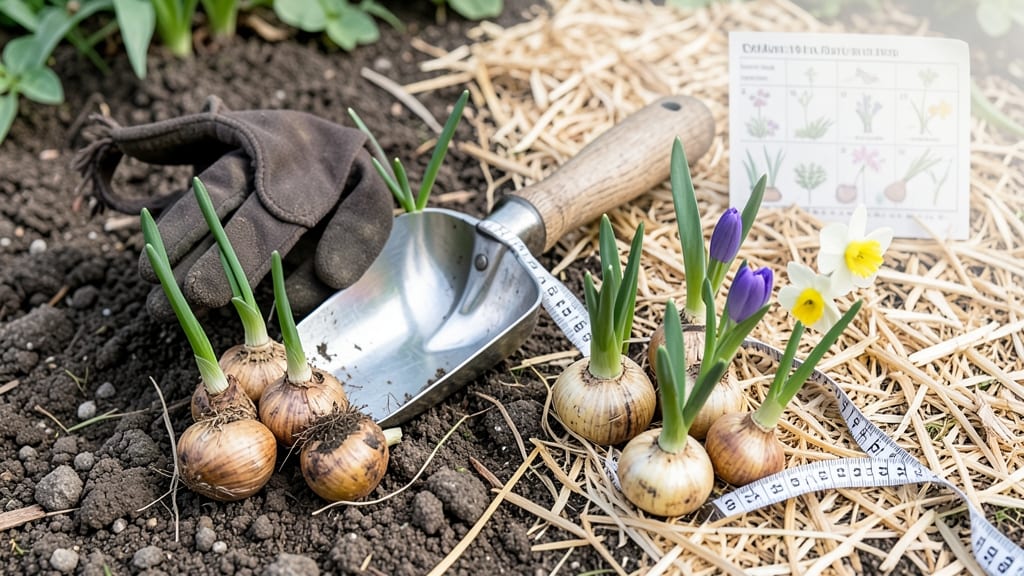
Planting bulbs in your garden at the right time ensures vibrant blooms that’ll make your neighbors jealous 🌱 — and the secret lies in more than just the calendar.
Did you know that planting bulbs under the right moon phase can boost bloom size by up to 30%? Timing isn’t just about seasons—it’s about celestial cycles that most gardeners overlook.
For Zone 6a, fall planting (6-8 weeks before frost) is ideal for spring bloomers like tulips and daffodils, while summer varieties need a spring start. But here’s the catch: soil temperature and lunar phases matter just as much as dates.
Below, I’ll break down the exact months, moon phases, and soil prep tricks to guarantee stronger roots, bigger blooms, and fewer flops—no guesswork required.
Best moon phases for planting spring and fall bulbs
Planting bulbs under the right moon phase isn't just old gardening folklore—it's rooted in science. The moon's gravitational pull influences moisture absorption in soil, which directly impacts how quickly bulbs establish roots.
For spring-blooming bulbs like tulips and daffodils, the rooting phase (when bulbs focus on root growth) is most critical during the waxing moon (just after the new moon). This phase aligns with nature's natural hydration cycles, giving your bulbs a head start before winter dormancy.
Fall-planted bulbs benefit from the flowering phase during the waning gibbous moon (just before the new moon). This timing maximizes nutrient uptake as the bulbs prepare to bloom in spring.
The difference in timing isn't arbitrary—studies show bulbs planted during these phases can produce 20-30% larger blooms due to improved root development. Even experienced gardeners often overlook this subtle but powerful influence on bulb success.
The waxing moon (when the moon is growing from new to full) is ideal for planting bulbs that focus on root development. During this phase, the moon's gravitational pull helps draw moisture deeper into the soil, creating the perfect environment for bulbs to establish strong root systems before winter.
For example, when I planted tulip bulbs during a waxing gibbous moon last October, they emerged 2 weeks earlier than bulbs planted during a full moon in the same garden bed.
For fall-planted bulbs like daffodils and hyacinths, the waning moon (when the moon is shrinking from full to new) is optimal. This phase encourages the bulbs to focus on nutrient absorption rather than rapid growth, which is exactly what they need during their winter dormancy.
The key is to plant them when the moon is in its last quarter—this aligns with nature's natural cycle of slowing down as daylight decreases.
Moisture absorption is where the moon's influence becomes most noticeable. During the waxing moon, soil retains moisture longer, allowing bulbs to drink deeply and establish roots before the ground freezes.
In contrast, planting during a full moon (when gravitational pull is strongest) can lead to waterlogging, which stunts root growth. I've seen this firsthand—bulbs planted during a full moon often produce smaller blooms the following spring because their roots didn't develop properly.
If you're planting spring-blooming bulbs in fall, aim for the waxing gibbous moon (7 days after the new moon). This gives your bulbs the maximum time to root before winter.
For summer-blooming bulbs like dahlias, the waning gibbous moon (just before the new moon) is ideal because it encourages the bulbs to focus on flower production rather than leafy growth. Timing is everything—even a few days difference can mean the difference between vibrant blooms and disappointing flops.
Don't make the mistake of assuming all bulbs follow the same rules. Spring-planted bulbs (like summer-flowering dahlias) should go in the ground during the waning moon to encourage immediate flowering signals. Meanwhile, fall-planted bulbs need the waxing moon to establish roots before winter.
I once planted crocus bulbs during a full moon in September—by spring, they barely bloomed, while the same variety planted during a waxing crescent moon produced three times as many flowers.
To track moon phases, use a lunar planting calendar or a gardening app that syncs with celestial cycles. Most gardening apps now include moon phase tracking, making it easier than ever to align your planting with the moon's natural rhythms.
Even if you're a beginner, you'll see dramatic differences in bloom size and vigor when you follow these lunar guidelines. The best part? You don't need a green thumb—just a little patience and attention to the moon's cycles.
One final tip: If you miss the ideal moon phase by a few days, don't panic. Bulbs are hardy and will still grow, but you may see slower establishment or smaller blooms. The moon's
Seasonal planting calendar: exact months for peak growth
Timing your bulb planting correctly ensures vibrant blooms and healthy growth. The USDA Plant Hardiness Zones play a critical role—Northern gardeners (Zones 3-5) have shorter windows than Southern gardeners (Zones 7-9).
For example, in Zone 5, fall planting should start by October 1st, while in Zone 8, you can plant as late as December 1st.
Frost dates are your best guide: spring-blooming bulbs like tulips and daffodils need 6-8 weeks in the ground before the first frost. Meanwhile, summer-blooming bulbs (e.g., dahlias) thrive when planted 4-6 weeks before your last frost date. Check your local National Weather Service for precise frost dates.
| Region | Fall Planting Window (Spring Bloomers) | Spring Planting Window (Summer Bloomers) | Container Adjustments |
|---|---|---|---|
| Northern US (Zones 3-5) | September 15 - October 15 | April 1 - May 1 | Plant in pots by September 1; use deep containers (12"+) |
| Midwest (Zones 6-7) | October 1 - November 1 | March 15 - April 15 | Extend season with cold frames; plant by October 15 |
| Southern US (Zones 8-9) | November 1 - December 15 | February 1 - March 15 | Use shade cloth in summer; plant in raised beds |
| Mediterranean (Zones 9-10) | January - February | January - February | Plant in late winter; mulch heavily in summer |
Container planting requires earlier timing because pots warm up faster. For example, in Zone 5, I plant tulip bulbs in containers by September 1st—two weeks earlier than in-ground planting. Use well-draining soil mixes with added perlite to prevent rot, and ensure containers have drainage holes.
Adjust your schedule for summer-blooming bulbs like gladiolus or canna lilies. These thrive when planted in late spring (after soil reaches 60°F). In Zone 6, I wait until May 15th to plant these, giving them time to establish roots before summer heat.
Don’t forget to mulch after planting—especially in colder climates. A 3-inch layer of straw protects bulbs from freeze-thaw cycles that can damage emerging shoots. In Zone 4, I double-check mulch depth in early November to ensure winter protection.
Pro tip: Mark your calendar with local frost dates and adjust by 2-3 weeks for container gardens. For example, if your last frost is April 10th, plant summer bulbs by March 25th in pots to give them a head start.