
How To
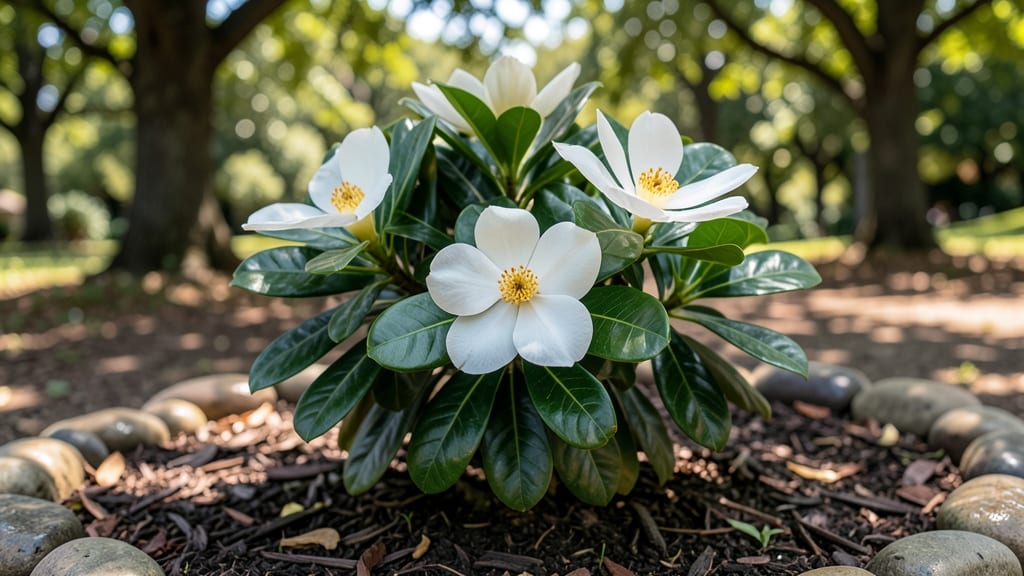
Gardenias grow to mature sizes between 2 and 15 feet, depending on the variety and growing conditions 🌸—so if you’re planning your garden layout, knowing their potential spread is key.
Picture this: a fragrant, glossy-leaved shrub that starts as a compact 1-foot plant in spring and, within a few years, becomes a 6-foot statement piece. That’s the classic Gardenia jasminoides, but some varieties stretch taller than a basketball hoop!
Whether you’re choosing a dwarf type for containers or a standard shrub for your yard, size matters for pruning, spacing, and even bloom production. Below, I’ll break down how different gardenias grow, when to trim them back, and how to keep them from outgrowing their welcome.
You’ll also discover the best container sizes for potted gardenias, how to control their height through pruning, and which varieties stay small enough for patios or large enough for privacy screens.
Gardenia mature size by variety: height, spread & growth habits explained
If you're dreaming of adding gardenias to your landscape, knowing their mature size is key to planning. These glossy-leaved beauties come in a range of sizes—from compact dwarf varieties to towering standard shrubs. The right choice depends on your space, whether you're planting in containers or garden beds.
Let's break down the height, spread, and growth habits of popular gardenia types so you can pick the perfect fit for your garden.
Most gardenias grow at a slow to moderate pace, gaining only a few inches per year. This means it can take 3-5 years for a young plant to reach its mature dimensions. However, some varieties—like Gardenia jasminoides—can grow surprisingly tall if left unpruned.
Understanding these growth patterns helps you avoid overcrowding and ensures your gardenia thrives without outgrowing its space. Let’s explore the specifics by variety to help you make an informed decision.
🌿 Pro Tip: Always check the USDA hardiness zone for your gardenia variety, as cold climates may stunt growth or require winter protection. Most gardenias thrive in zones 7-10, but some varieties like ‘Kleim’s Hardiness’ can handle zone 6a with care.
The Gardenia jasminoides is the most common type
How to prune gardenias for size control: step-by-step guide for bushes & trees
Pruning gardenias isn’t just about keeping them tidy—it’s essential for controlling their mature size, encouraging more fragrant blooms, and preventing overgrowth. Left unchecked, gardenias can reach 6–15 feet tall depending on the variety, which may overwhelm smaller gardens or containers.
The key is timing and technique, especially since these plants bloom on new wood, meaning aggressive pruning in the wrong season can reduce flowers.
Most gardeners make two critical mistakes: pruning too late in the season or cutting back too much at once. Both can stress the plant and limit flowering. Instead, focus on light shaping in early spring and deadheading spent blooms year-round.
This approach maintains your gardenia’s health while keeping its size manageable, whether you’re growing a dwarf variety in a pot or a standard shrub in the landscape.
Step-by-Step Pruning Guide for Gardenias
- 1 Choose the right time: Prune in early spring (March–April) before new growth starts. Avoid pruning after June 1, as this can reduce next year’s blooms.
- 2 Gather your tools: Use sterilized pruners, bypass shears, and rubbing alcohol to clean blades between cuts. Avoid dull tools that tear branches.
- 3 Remove dead or diseased wood: Cut back any brown, mushy, or moldy branches to the nearest healthy growth. Dispose of these clippings in the trash, not the compost.
- 4 Shape the plant: Thin out overcrowded branches to improve airflow. Aim to remove no more than 25% of the plant’s foliage in one session to avoid shock.
- 5 Encourage bushier growth: Cut back taller stems by 1/3 their length just above a leaf node. This stimulates branching and more blooms.
- 6 Deadhead spent blooms: Pinch off wilted flowers regularly to redirect energy to new growth. This keeps your gardenia compact and flowering longer.
- 7 Fertilize after pruning: Apply an acid-loving fertilizer (10-10-10) to replenish nutrients. Water deeply to help the plant recover and promote new growth.
If your gardenia has become overgrown beyond control, don’t panic. You can revive it gradually by pruning in stages over 2–3 years. Start with the most damaged branches and focus on structural shaping rather than drastic cuts.
Pair this with regular watering and mulching to support recovery. For container gardenias, pruning is even more critical—root-bound plants grow slowly and bloom poorly, so prune lightly but consistently to maintain size.
Remember, gardenias respond best to gentle, regular pruning rather than harsh cuts. With the right timing and technique, you can keep your plant at your desired height and width while enjoying those iconic white blooms year after year. 🌿