
Blooming
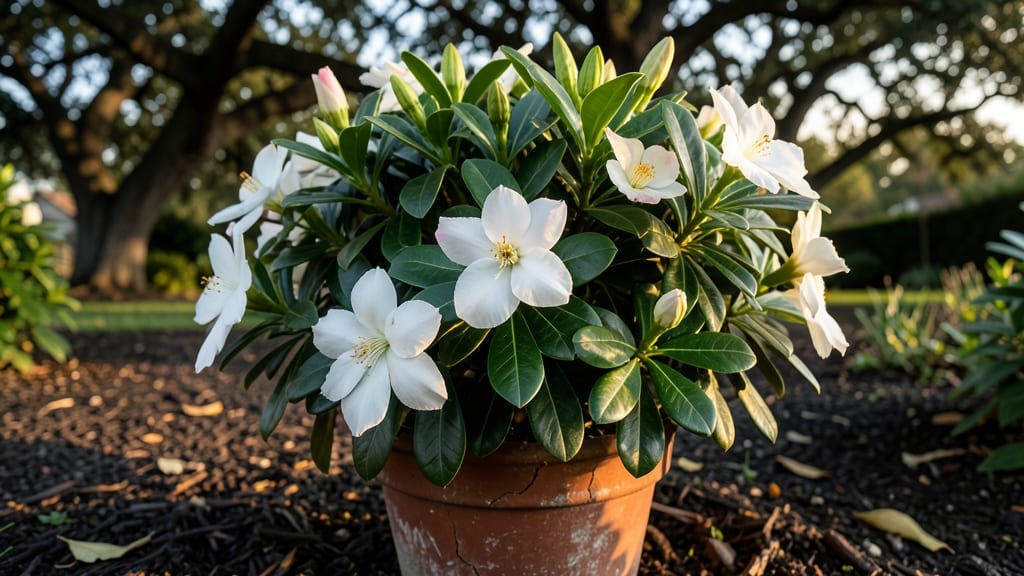
Your gardenia’s flowering season depends on precise timing—typically spanning from late spring through summer, but only if you nail the climate triggers and care routines.
If you’ve ever waited months for your gardenia 🌸 to bloom—only to be disappointed—you’re not alone. The secret lies in understanding its exact seasonal needs, which vary wildly between tropical and temperate zones. One wrong move, and your plant might skip its bloom entirely.
From June to September, gardenias reward patience with fragrant white blooms—but only if they get the right mix of sunlight, soil acidity, and pruning. Too much shade, and they’ll hold back.
Too little water, and the buds won’t even form. Get this right, and your gardenia becomes a year-round showstopper.
In this guide, I’ll break down the exact months gardenias bloom in your USDA zone, the climate factors that force early or delayed flowers, and the three most common mistakes that kill blooming before it starts.
Exact months when gardenias bloom based on USDA climate zones
Understanding when your gardenia will bloom depends entirely on your USDA hardiness zone. These tropical shrubs thrive in warm climates but have distinct flowering windows based on regional temperatures. In Zone 7, for example, gardenias bloom much later than in Zone 11, where they may flower year-round.
Let’s break down the exact months for each zone to help you anticipate—and encourage—those intoxicating white blooms.
Gardenias are sensitive to temperature shifts, and their flowering cycle is directly tied to seasonal changes. In cooler zones like Zone 7, they often need a winter chill period to trigger buds, while tropical zones like Zone 11 may see continuous blooming if conditions are ideal.
Regional microclimates—like coastal California’s mild winters or Florida’s humidity—can also shift these timelines by weeks.
Below is a detailed breakdown of gardenia flowering seasons across USDA Zones 7-11, including early, peak, and late-season blooming periods. Use this as your guide to plan pruning, fertilizing, and care for maximum floral impact.
If you’re in Zone 7, your gardenia’s first blooms will likely appear in late May, with peak performance through June and July. This is when your plant rewards you for winter care—like mulching and reduced watering—by producing its most fragrant flowers.
In contrast, gardeners in Zone 11, such as those in Hawaii, can enjoy gardenia blooms year-round, though they may see heavier flowering in spring and fall.
For Zones 8 and 9, the blooming window stretches longer, often from April through October. In these areas, gardenias may even produce a second flush of flowers in late summer if given proper care.
The key is to monitor your plant’s response to seasonal changes—like adjusting watering as temperatures rise—and prune strategically to encourage new growth for next year’s blooms.
In Southern California (Zone 10), gardenias typically bloom from March to November, with a peak in summer months. The Mediterranean climate here is nearly perfect for gardenias, but coastal areas may experience slightly earlier blooming due to cooler ocean breezes.
Meanwhile, Florida gardeners (also Zone 10) often see blooms year-round, though humidity can lead to fungal issues if not managed with proper airflow and fungicide applications.
To maximize your gardenia’s blooming potential, align your care routine with these seasonal windows. For example, fertilize in early spring (just as buds form in Zones 7-9) and prune after flowering to shape the plant and encourage next year’s blooms.
In tropical zones, focus on maintaining soil acidity and protecting from pests, as these plants have fewer natural stress triggers.
Pro tip: In cooler zones, simulate a winter chill by moving potted gardenias to a cooler location (like a garage) for 4-6 weeks in late fall. This mimics the dormancy period needed to trigger robust spring blooming.
Conversely, in Zone 11, avoid over-fertilizing, as this can lead to excessive foliage at the expense of flowers.
By tailoring your gardenia care to your specific USDA zone and regional microclimate, you’ll unlock the secret to consistent, fragrant blooms that fill your garden with their signature intoxicating scent.
Whether you’re in frost-prone Zone 7 or tropical Zone 11, understanding these seasonal cues is your ticket to a gardenia that blooms like clockwork.
Climate triggers that force gardenias to flower earlier (or later)
Gardenias are famously finicky about when they bloom, but their flowering schedule isn't random—it's controlled by climate triggers you can manipulate. The right combination of temperature shifts, sunlight exposure, and humidity levels can push your gardenia to flower weeks earlier or delay it strategically.
Understanding these triggers lets you time blooms for special occasions or extend your fragrance-filled season.
For example, gardenias in USDA Zone 9 naturally bloom from May to September, but with the right adjustments, you can coax flowers as early as April or delay them until October. The key lies in mimicking their natural dormancy cycles—a process that involves more than just watering or fertilizing.
Let's break down the science behind these triggers and how to use them to your advantage.
- 1 Winter Chill Requirements: Gardenias need 4-8 weeks of temperatures between 50-60°F to break dormancy. In warmer zones (like Florida), simulate this with cool indoor conditions or a refrigerator trick (place potted plants in a garage during winter nights).
- 2 Summer Heat Management: Too much direct sunlight (>6 hours/day) can delay blooming. Use dappled shade (like a sheer curtain) to keep temps below 85°F. In containers, move plants to shadier spots during peak afternoon heat.
- 3 Humidity Boosts: Gardenias thrive in 60-70% humidity. In dry climates, use a pebble tray or mist leaves daily. For earlier blooms, increase humidity in late winter to signal the plant it's time to wake up.
- 4 Pruning Cycles: Prune right after flowering to encourage new growth. For delayed blooms, prune in early spring to slow down growth. Always use sterilized shears and cut at a 45-degree angle just above a leaf node.
One of the most effective ways to force earlier blooms is by simulating seasonal changes. For instance, if you live in Zone 10 where winters are mild, your gardenia might skip its chill period entirely.
To fix this, move potted plants to a cooler, shaded area (like a covered patio) for 6-8 weeks in late fall. This mimics the temperature drop gardenias need to trigger bud formation.
Light exposure plays a surprisingly big role too. Gardenias need 4-6 hours of morning sun but will bolt if exposed to hot afternoon rays. To delay blooming, reduce sunlight slightly in late spring by adding a light fabric shade cloth.
For earlier flowers, increase morning sun exposure by 1-2 hours starting in February—this jumpstarts the flowering process.
Don’t overlook the power of fertilizer timing either. Gardenias respond best to high-phosphorus fertilizers (like 7-9-5 NPK) applied in early spring to encourage blooms. For delayed flowering, hold off on fertilizing until late spring. Pair this with a balanced micronutrient spray (like iron and magnesium) to prevent bud drop.
With these triggers in your toolkit, you can transform your gardenia from a hit-or-miss bloomer into a predictable, fragrant showstopper. Start experimenting this season—your nose (and neighbors) will thank you! 🌸