
Plants
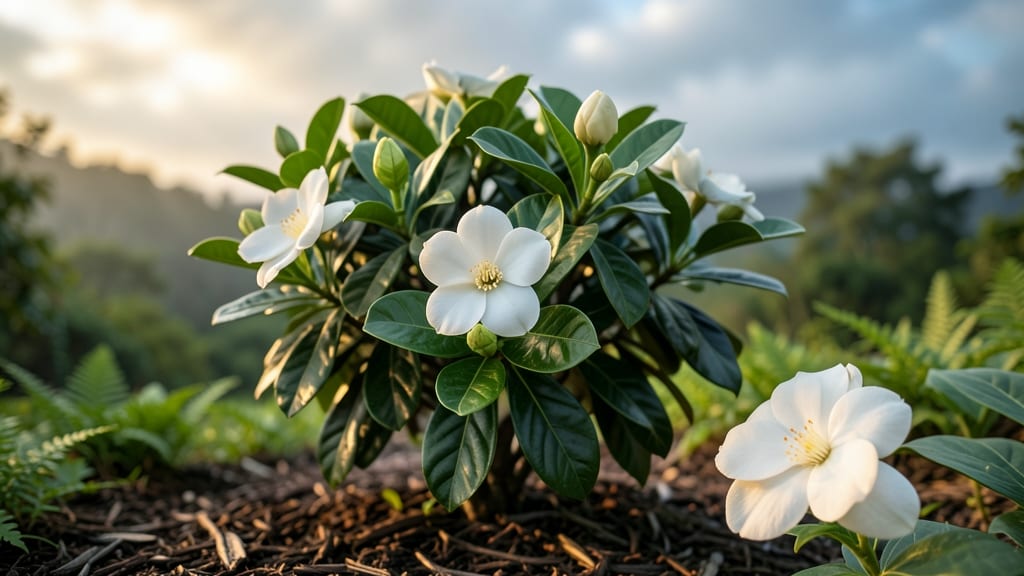
A gardenia plant blooms in late spring to early summer 🌸 — the timing depends on your climate zone, variety, and how well you’re meeting its needs.
If you’ve ever wondered why your gardenia plant refuses to bloom despite its lush green leaves, you’re not alone—timing, climate, and care all play critical roles in triggering those fragrant white flowers.
In warmer USDA zones like 9-11, gardenias often bloom year-round, while those in cooler zones (6a-8) get just one stunning spring show. The key to encouraging blooms? Pruning at the right time, feeding with the right fertilizer, and giving it the perfect balance of sun and shade.
Below, I’ll break down the exact bloom windows by zone, share 5 pruning tricks to force earlier flowers, and reveal which gardenia varieties never stop blooming—no matter where you live.
Gardenia blooming seasons by USDA climate zones: when to expect flowers
Gardenia plants are famous for their intoxicatingly sweet blooms, but their flowering seasons vary dramatically depending on your USDA climate zone. In colder zones like 7-8, gardenias often enter dormancy, while warmer zones 9-11 can enjoy year-round blooms with proper care.
Understanding these patterns helps you set realistic expectations and adjust your care routine to trigger those white, waxy flowers at the perfect time.
Temperature fluctuations are the biggest factor in bloom timing. Gardenias need consistent warmth (above 60°F) to set buds, but sudden cold snaps can shock the plant and delay—or even prevent—flowering.
In USDA Zone 10, for example, gardenias may bloom year-round if temperatures stay mild, while Zone 7 plants typically bloom only in late spring to summer before going dormant.
Here’s a breakdown of what to expect in each zone, including early bloomers vs. late bloomers and how to encourage more abundant flowers:
In USDA Zone 7, gardenias are seasonal bloomers, typically producing flowers from late May to July before entering dormancy. Varieties like 'Kleim’s Hardy' are bred to tolerate colder winters, but even these need protection from frost.
If you live in this zone, focus on spring pruning to remove any frost-damaged branches and encourage new growth for next year’s blooms.
Gardeners in Zones 8–9 enjoy a longer bloom season, often from April through September, with some varieties like 'Radicans' producing flowers almost year-round. The key here is consistent moisture and acidic soil (pH 5.0–6.5).
In Zone 8, mulching in winter helps insulate roots from temperature fluctuations, while Zone 9 gardeners can push for continuous blooms by fertilizing lightly every 6 weeks.
For those in Zones 10–11, gardenias are tropical beauties that can bloom year-round with minimal care. Varieties like 'August Beauty' and 'Jasmine Scented' thrive in these warm climates, but they still need regular watering (deep soaks 2–3 times weekly) to prevent bud drop.
In these zones, light pruning after blooming keeps the plant shaped without sacrificing next year’s flowers.
One common misconception is that gardenias bloom only once per year. While this is true for Zone 7 plants, many varieties in warmer zones can produce multiple flushes of blooms if given the right conditions.
For example, 'Veitchii' in Zone 9 often blooms heavily in spring and fall, with sporadic flowers in between. To encourage this, I recommend light fertilizing in early spring and avoiding heavy pruning, which can remove next year’s flower buds.
Temperature fluctuations can also delay or prevent blooming. If your gardenia sets buds but they drop before opening, it’s often a sign of stress from heat or drought.
In Zone 7, sudden cold snaps in early spring can shock the plant, while Zone 11 gardeners might see bud drop during hot, dry spells. The solution? Mulch heavily to regulate soil temperature and water deeply in the morning to reduce evaporation.
5 Pruning & care tricks to force gardenia blooms earlier (or more abundantly)
If your gardenia plant is thriving with glossy green leaves but stubbornly refuses to bloom, don’t assume it’s a lost cause. With the right pruning techniques and care adjustments, you can trigger earlier—and more abundant—fragrant white blooms.
The key lies in understanding your plant’s natural cycle and how to stimulate flower buds through strategic interventions.
Gardenia blooms typically emerge in late spring to early summer, but with targeted care, you can shift this timeline by 3-4 weeks earlier. The secret? Combining pruning at the right time, optimal sunlight exposure, and balanced fertilization.
Let’s dive into the science-backed tricks that work—plus the mistakes that silently sabotage your blooms.
🌸 Gardenia Blooming Timeline & Care Triggers
- Late Winter (Feb): Prune dead or crossing branches to encourage new growth.
- Early Spring (March): Apply high-phosphorus fertilizer to stimulate bud formation.
- Mid-Spring (April-May): Ensure 6+ hours of morning sun and consistent moisture.
- Late Spring (June): Watch for buds forming—reduce fertilizer to prevent leafy growth.
- Summer (July-August): Deadhead spent blooms to encourage reblooming.
First, prune your gardenia immediately after its natural blooming season (typically late summer to early fall). This timing ensures you’re not removing next year’s flower buds, which form on new wood.
Use clean, sharp shears to make 45-degree cuts just above a leaf node. Avoid heavy pruning—stick to light shaping to maintain the plant’s natural form while encouraging airflow and sunlight penetration.
Light is non-negotiable for gardenia blooms. These plants thrive in bright, indirect light, ideally with morning sun and afternoon shade. If your gardenia is indoors, position it near an east-facing window for 4-6 hours of gentle sunlight daily.
Lack of light leads to leggy growth and fewer blooms. For outdoor plants, avoid harsh afternoon sun, which can scorch leaves and stress the plant, delaying flowering.
Watering plays a critical role in bloom production. Gardenias demand consistent moisture but hate soggy roots. Water deeply every 3-5 days, soaking the soil until water drains from the bottom. In summer heat, increase frequency to daily deep watering.
Always water at soil level to avoid wetting the leaves, which can cause fungal diseases like powdery mildew—a common reason gardenias skip blooming.
Fertilizer is where many gardeners go wrong. Use a balanced, acid-loving fertilizer (like 8-3-9 NPK) and apply it every 6-8 weeks during the growing season (spring to early fall). The key is phosphorus, which promotes flowering.
Start feeding in early spring as new growth appears, then reduce or stop fertilizing in late summer to allow the plant to focus on bud formation rather than leafy growth.
Finally, avoid these bloom-killing mistakes: over-pruning (which removes potential flower sites), using alkaline soil (gardenia needs acidic pH 5.0-6.5), or sudden changes in care. If your gardenia still refuses to bloom, check for pests like spider mites or nutrient deficiencies (yellow leaves often signal iron deficiency).
With these tricks, you’ll coax your gardenia into earlier, more abundant blooms—filling your garden with that signature intoxicating fragrance.