
How To
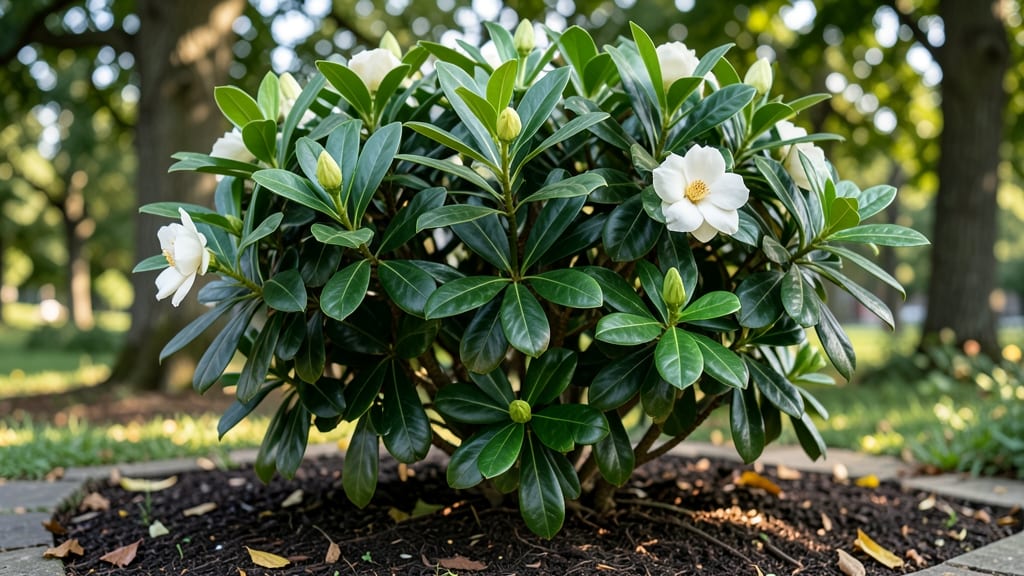
Gardenias grow anywhere from 1 to 15 feet tall, depending on the variety and how you care for them 🌸 — but most gardeners end up with a 4- to 6-foot shrub if they follow the basics.
If you’re dreaming of fragrant, glossy gardenias but wondering whether they’ll tower over your patio or stay compact in containers, the answer depends entirely on the variety—and proper care.
These tropical favorites range from dwarf shrubs to small trees, each with unique growth habits that can transform your garden’s look and scent.
For example, the classic Gardenia jasminoides can reach 6 feet or more with proper conditions, while dwarf varieties like ‘Radicans’ stay under 2 feet, perfect for pots or window boxes. The key to controlling their height lies in pruning, sunlight, and even the soil you plant them in.
In this guide, I’ll break down the height ranges of popular gardenia varieties, share simple pruning tips to keep them at your desired size, and reveal the one mistake that stunts their growth—so you can enjoy their intoxicating blooms without the overgrowth.

Gardenia height by variety: from dwarf shrubs to small trees
Choosing the right gardenia variety is the first step to controlling its height—whether you want a compact patio plant or a towering privacy screen. Gardenias naturally grow anywhere from 3 feet to 15 feet tall, depending on the cultivar and growing conditions.
Some varieties stay small enough for container gardening, while others reach small tree proportions with proper care. Let’s explore the height ranges of the most popular gardenia varieties so you can pick the perfect fit for your space.
Before we dive into specifics, remember that proper pruning and spacing play huge roles in managing gardenia height. A 3-foot dwarf variety can easily double in size if not pruned regularly, while a 10-foot standard can be kept in check with strategic trimming.
Always plant gardenias with 3–5 feet of clearance from walls or other structures to allow for airflow and future growth.
Here’s a quick look at how gardenia heights compare to common objects: A 3-foot gardenia is about the height of a standard kitchen counter, while a 6-foot variety reaches the height of a mailbox post.
The tallest gardenias, like ‘Veitchii’, can surpass 10 feet, making them ideal for backyard privacy screens or landscape focal points. Now, let’s explore the varieties in detail.
🌱 Visual Guide: Gardenia Heights by Variety
| Variety | Mature Height | Growth Rate | Ideal Spacing | Best For |
|---|---|---|---|---|
| ‘Radicans’ | 3–4 ft | Slow to moderate | 3–4 ft apart | Containers, patios |
| ‘Kleim’s Hardy’ | 4–6 ft | Moderate | 4–5 ft apart | Small gardens, borders |
| ‘Fortuniana’ | 6–8 ft | Fast | 6–8 ft apart | Privacy screens, hedges |
| ‘Veitchii’ | 10–15 ft | Very fast | 10–12 ft apart | Large landscapes, focal points |
| ‘Mystery’ (dwarf) | 2–3 ft | Slow | 2–3 ft apart | Bonsai, small pots |
| ‘August Beauty’ | 5–7 ft | Moderate | 5–6 ft apart | Foundation plantings |
| ‘Cleopatra’ | 3–5 ft | Slow | 3–4 ft apart | Balconies, small yards |
| ‘Jasmine Scented’ | 4–6 ft | Moderate | 4–5 ft apart | Fragrant hedges |
| ‘Prosperity’ | 6–10 ft | Fast | 6–8 ft apart | Privacy hedges |
| ‘Golden Magic’ | 3–4 ft | Slow | 3–4 ft apart | Container gardens |
The ‘Radicans’ and ‘Mystery’ varieties are my top picks for small-space gardeners—both stay under 4 feet tall and thrive in 15-gallon containers. Their slow growth rate makes them
How to control gardenia height: pruning, training & variety selection
Gardenia height isn’t set in stone—it’s shaped by your hands and the variety you choose. Whether you want a compact patio shrub or a tall privacy screen, understanding pruning and training techniques is key.
I’ve learned the hard way that skipping pruning leads to unruly, leggy growth that overshadows your patio furniture! The good news? With the right approach, you can guide your gardenia to reach your ideal height—whether that’s 2 feet for containers or 6 feet for hedges.
Start by selecting the right variety for your space. Dwarf gardenias like ‘Kleim’s Hardy’ max out at 3-4 feet, perfect for containers or small gardens, while standard types like ‘Radicans’ can grow 6-10 feet tall if left unpruned.
My Gardenia jasminoides ‘Veitchii’ thrives in my backyard, reaching 5 feet with minimal pruning—just enough to shape it into a neat, bushy form. The secret? Pruning at the right time and using the right tools.
- 1 Choose your target height before pruning. Measure your space and decide whether you want a low shrub (2-3 ft), medium bush (3-5 ft), or tall hedge (5-8 ft). My ‘Kleim’s Hardy’ stays at 3 feet with annual pruning.
- 2 Prune after flowering (late summer to early fall) to avoid cutting off next year’s blooms. Use clean, sharp pruners to make cuts at a 45-degree angle, just above a leaf node. I always sterilize my tools with rubbing alcohol to prevent disease.
- 3 Remove up to 1/3 of the plant’s height in one session if it’s overgrown. For example, if your gardenia is 5 feet tall but you want 3 feet, cut back the tallest stems to 3 feet from the base. Avoid pruning more than 1/3 at a time to stress the plant.
- 4 Train vining varieties like ‘Radicans’ with a trellis or stake to control height. Gently tie stems to the support as they grow, directing them upward or sideways. My ‘Veitchii’ climbs a trellis, reaching 6 feet without becoming unruly.
- 5 Fertilize lightly after pruning to encourage new growth. Use a balanced, acidic fertilizer (10-10-10) and water deeply. Avoid high-nitrogen fertilizers, which promote leafy growth over flowers. I feed mine every 6 weeks in spring and summer.
For slow-growing varieties like ‘Fortuniana’, pruning is minimal—just a light trim to shape. These types grow only 1-2 inches per year, making them ideal for small spaces or containers. If you’re growing gardenias in containers, choose dwarf varieties and prune more aggressively to keep them compact.
My ‘Radicans’ in a 15-gallon pot stays under 4 feet with regular pinching of new growth.
Remember, gardenias respond best to gentle pruning. Over-pruning can shock the plant and reduce flowering. After pruning, mulch around the base with acidic compost to encourage root growth and maintain moisture.
With patience and the right techniques, you’ll have a gardenia that fits your space perfectly—whether it’s a scented bush for your balcony or a fragrant hedge for your privacy screen.
🌿