
Aphids
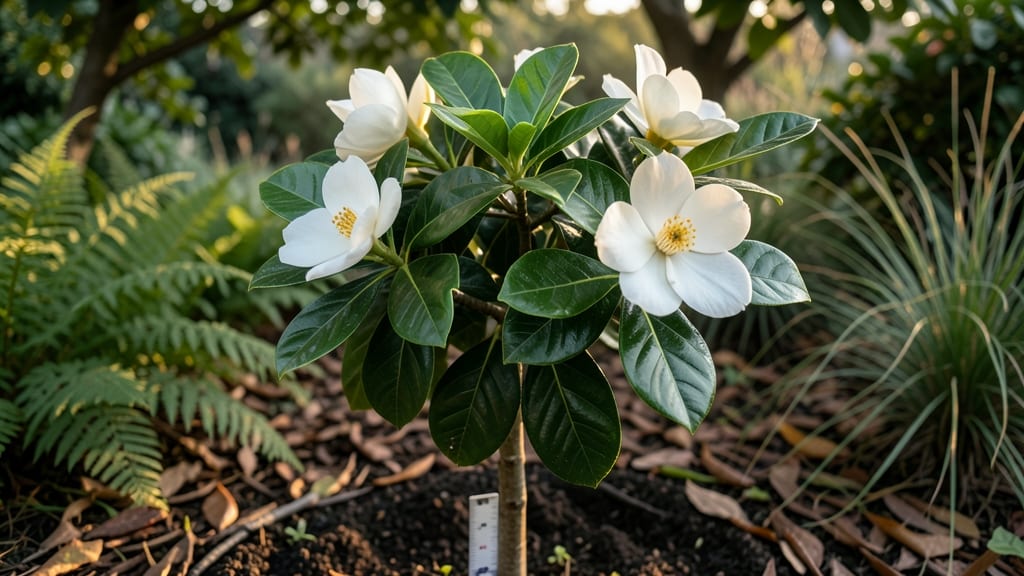
Understanding a gardenia’s mature height and width is the first step to pruning it right—and keeping it from becoming a sprawling mess in your yard.
Struggling to keep your gardenia bushes in check? These fragrant shrubs can grow 4 to 6 feet tall and just as wide, depending on the variety, and without the right pruning, they’ll quickly outgrow their space. The key is knowing how each type grows and when to trim.
Some gardenias, like the popular Gardenia jasminoides, stay compact at 2 to 3 feet, while others, like Gardenia augusta, can reach 6 feet if left unchecked. Below, I break down the growth habits of common varieties and how to manage them for a tidy, blooming shrub.
You’ll learn how sunlight, soil, and pruning timing affect their size—and how to adjust your care routine to fit your garden’s layout. Let’s get started.

Gardenia height and width by variety: growth charts for common cultivars
If you’ve ever wondered why your gardenia seems to reach for the sky while others stay compact, the answer lies in their variety-specific growth habits. Gardenias aren’t one-size-fits-all—some varieties grow like towering shrubs, while others stay neatly contained.
Knowing these mature dimensions helps you plan pruning, spacing, and even where to plant them in your landscape. Let’s break down the height and width of popular gardenia cultivars so you can match your expectations (and shears!) to the right plant.
Most gardenias belong to the Gardenia jasminoides species, but even within this group, growth varies wildly. For example, the ‘Kleim’s Hardy’ gardenia—often called the "northern gardenia"—can handle cooler climates but still grows 4–6 feet tall if left unpruned.
Meanwhile, the ‘Radicans’ variety stays low and sprawling, perfect for ground cover or container gardens. Understanding these differences ensures you don’t end up with a 6-foot monster where a 2-foot bush was promised.
Here’s the key: pruning implications change based on growth habit. Tall varieties like ‘Fortuniana’ need structural pruning to maintain shape, while sprawling types like ‘Veitchii’ benefit from horizontal layering to encourage bushiness.
Without this knowledge, you might over-prune a compact variety or under-prune a fast grower, leading to either a bald plant or a wild, leggy mess. Let’s dive into the specifics so you can keep your gardenias looking their best.
Notice how ‘Radicans’ and ‘Mystery’ are ideal for small spaces, while ‘Fortuniana’ is better suited for larger landscapes? This isn’t just about aesthetics—it’s about survival. A 6-foot ‘Fortuniana’ crammed into a 3-foot-wide plan
How to prune gardenias based on height and growth habits
Pruning gardenias isn’t just about keeping them tidy—it’s about encouraging healthy blooms and controlling their mature height. Bushy varieties like 'Kleim’s Hardy' need regular shaping, while climbing types like 'Radicans' require different techniques to prevent leggy growth.
The key? Prune at the right seasonal timing and use the proper pruning tools to avoid stressing the plant.
First, understand your gardenia’s growth habit. Bushy varieties typically reach 4–6 feet tall with a 3–5 foot spread, while climbing types can stretch 6–10 feet tall if unchecked. Pruning too late in the season can reduce next year’s flowers, so timing matters.
Let’s break down the steps to prune like a pro, tailored to your gardenia’s size and shape.
Step-by-Step Pruning Guide for Gardenias
-
Step 1: Choose the Right Time
Prune right after flowering (late spring) to avoid cutting off next year’s buds. Never prune in fall or winter—this can shock the plant.
-
Step 2: Gather Your Tools
Use clean, sharp pruners (bypass pruners for small stems, loppers for thicker branches). Disinfect tools with rubbing alcohol to prevent disease.
-
Step 3: Identify Dead or Weak Growth
Remove dead, diseased, or crossing branches first. Cut back to the nearest healthy bud or branch junction to encourage new growth.
-
Step 4: Shape Bushy Varieties
For compact bushes, trim outer growth to maintain a rounded shape. Aim to reduce height by 1/3 max to avoid stress. Focus on opening the center for airflow.
-
Step 5: Manage Climbing Types
For climbing gardenias, prune to control height and width. Trim long, leggy stems back to a bud or side branch. Use stakes or trellises to guide growth upward.
-
Step 6: Clean Up and Mulch
Remove all pruned debris to prevent pests. Apply 2–3 inches of mulch (pine bark works best) to retain moisture and acidify the soil.
-
Step 7: Fertilize Lightly
After pruning, feed with a balanced, acidic fertilizer (10-10-10) to promote new growth. Avoid heavy feeding—too much can burn roots.
If your gardenia is overgrown or leggy, don’t panic—gradual pruning over 2–3 years will restore its shape. For bushy varieties, focus on thinning out crowded branches to improve airflow, which reduces fungal diseases. For climbing types, prune selectively to encourage a balanced, compact form.
Pro tip: Label your pruning cuts with a plant marker if you’re unsure which branches to keep. This helps track growth patterns and prevents over-pruning in future seasons.
With the right approach, your gardenia will thrive with lush foliage and abundant blooms while staying within your desired height and width limits. 🌿
Remember, patience is key. Gardenias respond best to gentle, consistent pruning rather than drastic cuts. Over time, you’ll develop a natural rhythm that keeps your gardenia looking its best year after year. ✂️