
How To
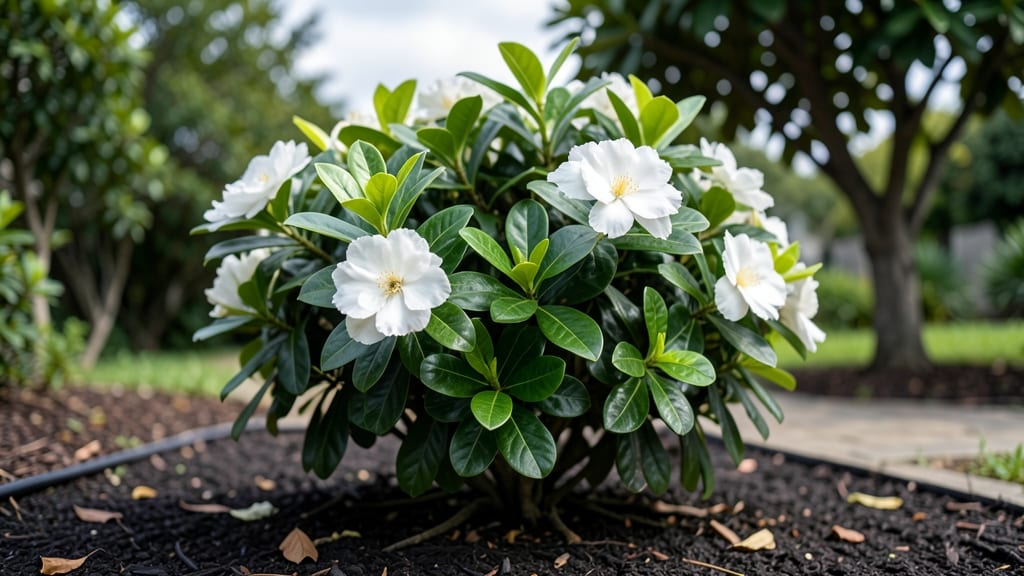
Gardenias can grow anywhere from 1 foot to 6 feet tall, depending on the variety and growing conditions, making them a versatile choice for gardens, containers, or even indoor spaces.
If you're dreaming of fragrant blooms and lush foliage but wondering whether gardenias will fit your garden's height requirements, you're in the right place—because their mature size can vary dramatically by variety.
The tallest gardenias, like the classic G. jasminoides, can reach 6 feet when planted in ideal conditions, while dwarf varieties stay compact at just 1-2 feet, perfect for patios or window boxes.
In this guide, we’ll break down the height ranges by variety, how to control growth through pruning, and whether your indoor gardenia can ever reach its full potential—plus the key factors that determine how tall yours will grow.

Gardenia height by variety: dwarf vs. standard vs. climbing types
If you love the intoxicating scent of gardenias but need to know how tall they’ll grow before planting, you’ve come to the right place. Gardenias aren’t one-size-fits-all—some varieties stay compact enough for containers, while others can become towering shrubs perfect for privacy screens.
The mature height of a gardenia depends entirely on its variety and growing conditions, so let’s break down the options to help you choose the right fit for your space.
Most gardenias belong to the Gardenia jasminoides species, but there are also climbing varieties like Gardenia radicans and hybrid types like Gardenia fortuniana.
Dwarf gardenias, for example, typically max out at 2-3 feet tall, making them ideal for patios or balconies, while standard varieties can reach 6-10 feet when given ideal conditions. Understanding these differences will help you plan your garden layout or container arrangements with confidence.
Here’s a quick comparison of the most popular gardenia varieties and their mature heights, so you can visualize how they’ll fit into your garden or home:
| Variety | Mature Height | Best For | Notes |
|---|---|---|---|
| Dwarf Gardenias (e.g., 'Radicans', 'Kleimschmidtiana') | 1–3 feet | Containers, patios, small gardens | Slow-growing, ideal for bonsai-style pruning |
| Standard Gardenias (e.g., 'Kleimschmidtiana', 'Fortuniana') | 4–6 feet | Foundation plants, hedges, privacy screens | Medium growth rate, needs regular pruning |
| Climbing Gardenias (e.g., 'Radicans', 'Augusta') | 6–10+ feet (with support) | Trellises, fences, arbors | Fast-growing vines, needs sturdy support |
| Hybrid Gardenias (e.g., 'Veitchii', 'Mystery') | 3–5 feet | Mixed borders, small shrub beds | Unique blooms, moderate growth rate |
| Semi-Dwarf Gardenias (e.g., 'Belinda', 'Radicans Compact') | 2–4 feet | Balconies, window boxes, small yards | Great for urban gardens with limited space |
For example, if you’re looking for a low-maintenance gardenia that stays under 3 feet, the 'Radicans' variety is a fantastic choice. It thrives in containers and even tolerates partial shade, making it perfect for shadier corners of your yard or a sunny balcony.
On the other hand, if you want to create a fragrant privacy screen, the 'Fortuniana' variety can grow up to 6 feet tall and produces abundant blooms with minimal effort once established.
Climbing gardenias, like 'Radicans' or 'Augusta', are often overlooked but can add a dramatic vertical element to your garden. These varieties can reach 10 feet or more when trained on a trellis or fence, providing both height and a cascade of fragrant flowers.
Just be sure to provide sturdy support, as their vines can become heavy when laden with blooms.
One common misconception is that all gardenias need full sun to reach their maximum height. While sunlight is crucial for blooming, partial shade can actually encourage denser, more compact growth in some varieties.
If you live in a hot climate, providing afternoon shade can prevent your gardenia from becoming leggy or stressed, which might stunt its growth over time.
Soil quality also plays a significant role in determining how tall your gardenia will grow. Gardenias thrive in acidic, well-draining soil with a pH between 5.0 and 6.5. If your soil is alkaline or poorly drained, your plant may struggle to reach its full potential height.
Amending the soil with peat moss or sulfur can help create the ideal growing conditions for taller, healthier gardenias.
If you’re growing gardenias in containers, remember that root-bound plants will grow more slowly and stay shorter. To encourage taller growth, choose a pot that’s at least 12–18 inches in diameter and use a high-quality potting mix designed for acid-loving plants.
Regularly repotting every 2–3 years will also give your gardenia the space it needs to grow to its full height.
Whether you’re aiming for a compact gardenia for your windowsill or a tall privacy hedge, choosing the right variety is the first step.
Now that you know the height ranges, you can confidently select the perfect gardenia for your space—whether it’s a dwarf for a patio or a climbing variety to train along a fence. Happy gardening!
How to control gardenia height: pruning and growing tips for compact plants
Want to shape your gardenia into a neat 3-foot shrub or let it grow wild as a 10-foot specimen? The secret lies in pruning timing and growth habits.
Gardenias naturally grow 3-6 feet tall, but with the right techniques, you can encourage compact growth or train them to climb. The key is understanding when and how to prune—never after June—to avoid cutting off next year's blooms.
Start by spacing your gardenias 3-5 feet apart if you want a bushy, multi-stemmed shrub. For a single-trunk tree-like appearance, plant them 6-8 feet apart and prune to encourage vertical growth. Remember, gardenias grow slowly—expect only 6-12 inches of growth per year—so patience is key when shaping them.
The right pruning approach can make all the difference in achieving your desired height.
To keep your gardenia compact and bushy, focus on light pruning throughout the growing season. Trim back overgrown branches by one-third in early spring to encourage dense foliage. Avoid heavy pruning—this can stress the plant and reduce flowering.
Instead, use pinching techniques on young plants to promote branching. For a tree-like shape, select one central leader and remove lower branches to create a clean trunk.
If you're growing gardenias in containers, their height will naturally stay shorter due to root restrictions. Choose dwarf varieties or prune regularly to keep them under 3 feet tall. Always use well-draining pots and fertilize lightly to prevent leggy growth.
Remember, container gardenias need more frequent watering and may require winter protection in colder climates. With the right care, you can enjoy fragrant blooms in a space-saving size.
For taller gardenias, focus on minimal pruning and provide support structures like stakes or trellises. Train young plants by gently tying them to supports as they grow. This encourages upward growth while maintaining stability.
In warm climates, gardenias can grow faster and taller, so monitor their growth and prune only when necessary. The goal is to guide their natural growth rather than forcing it.
Finally, don’t forget that soil health and sunlight exposure play a huge role in gardenia height. Plant in acidic, well-draining soil (pH 5.0-6.5) and provide morning sun with afternoon shade.
Overcrowding or poor soil can stunt growth, while ideal conditions will help your gardenia reach its full potential—whether that's a compact 2-foot bush or a towering 8-foot shrub. With these tips, you'll have full control over your gardenia's height! ✂️🌿