
Tools
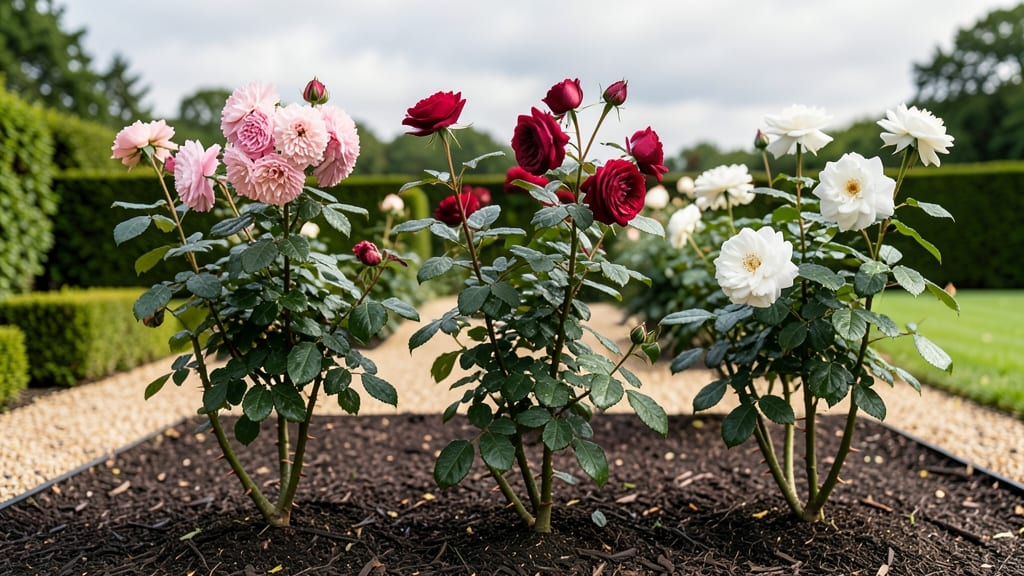
First Lady Helen Herron Taft created the White House Rose Garden in 1913, transforming an overgrown space into a meticulously designed floral display featuring 1,200 plants like roses, peonies, and lilies, as part of her White House beautification initiatives during Theodore Roosevelt's presidency.
The White House Rose Garden wasn't just a decorative project—it was a bold statement about American diplomacy and elegance. 🌹 Taft drew inspiration from European royal gardens, particularly the formal layouts of Versailles, to create a space that would impress visiting dignitaries while showcasing American horticultural sophistication.
What's fascinating is how this garden became a symbol of U.S. cultural influence; the 1,200 roses gifted by France in 1912 to celebrate the White House's centennial were specifically chosen to honor this new floral centerpiece.
Taft's vision extended beyond aesthetics—she saw the garden as a tool for soft power, using its beauty to reinforce the White House's role as a global cultural hub.
The meticulous planning involved collaboration with Frederick Law Olmsted Jr., whose landscape architecture expertise helped transform the previously neglected area into one of the most recognizable gardens in the world.
This initiative marked the beginning of a tradition that would see the garden evolve through subsequent First Ladies' contributions, each adding their own distinctive touch.
💡 In This Article
- First Lady Helen Taft’s Vision for the White House Rose Garden
- Presidential and First Lady Contributions to the Garden’s Evolution
First Lady helen Taft’s vision for the White House rose garden
The White House Rose Garden's creation wasn't just about planting flowers—it was a deliberate cultural statement. Helen Herron Taft, known for her refined taste and diplomatic acumen, envisioned a garden that would elevate America's global standing.
She drew direct inspiration from Europe's grand royal gardens, particularly the structured layouts of Versailles and Kensington Palace, where formal floral displays served both aesthetic and political purposes.
The garden's symmetrical design, with its 1,200 plants including 300 roses, was meant to mirror the precision of European aristocracy while showcasing American horticultural capabilities.
Taft's collaboration with Frederick Law Olmsted Jr., son of the famous landscape architect behind New York's Central Park, brought technical expertise to the project.
Olmsted Jr. designed the garden's elevated flower beds and stone pathways to create a dramatic visual impact while ensuring proper drainage—a critical consideration for Washington's clay-heavy soil.
The choice of French roses wasn't accidental; these varieties were prized for their disease resistance and vibrant colors, perfectly complementing the garden's diplomatic purpose. 🌹 The roses' ability to thrive in Washington's humid summers became a testament to Taft's practical vision alongside her aesthetic goals.
What made this garden particularly significant was its timing. The 1912 gift of 1,200 roses from France—marking the White House's centennial—was strategically planted in the newly created garden.
These roses weren't just decorative; they symbolized Franco-American friendship and served as a living monument to the White House's evolving role in international diplomacy. Taft understood that this garden would be photographed by global press, making every plant selection a statement about American sophistication and hospitality.
The garden's design also reflected Taft's personal philosophy of "beautification through utility." She incorporated perennial plants like peonies and lilies that would return year after year, reducing maintenance costs—a practical consideration that would influence later White House gardens.
The 10-foot-high stone walls surrounding the garden weren't just decorative; they provided protection from Washington's unpredictable weather while creating a sense of enclosure that made the space feel more intimate for state functions.
Interestingly, Taft's garden design included hidden irrigation channels beneath the flower beds, a relatively advanced feature for the time that ensured consistent water distribution. This system, combined with the garden's elevated design, prevented soil erosion—a common problem in Washington's heavy rainfall seasons.
The technical sophistication of these elements demonstrated how Taft blended European elegance with American innovation, creating something uniquely American yet globally impressive.
Beyond its visual appeal, the garden served a practical diplomatic function. State dinners and international meetings were often held in the garden's adjacent terrace, where the floral displays created a stunning backdrop for photographs that would appear in newspapers worldwide.
Taft's careful selection of fragrant roses ensured that visiting dignitaries would experience not just visual beauty but also an olfactory experience that reinforced America's attention to detail and hospitality. 🌿