
Advice
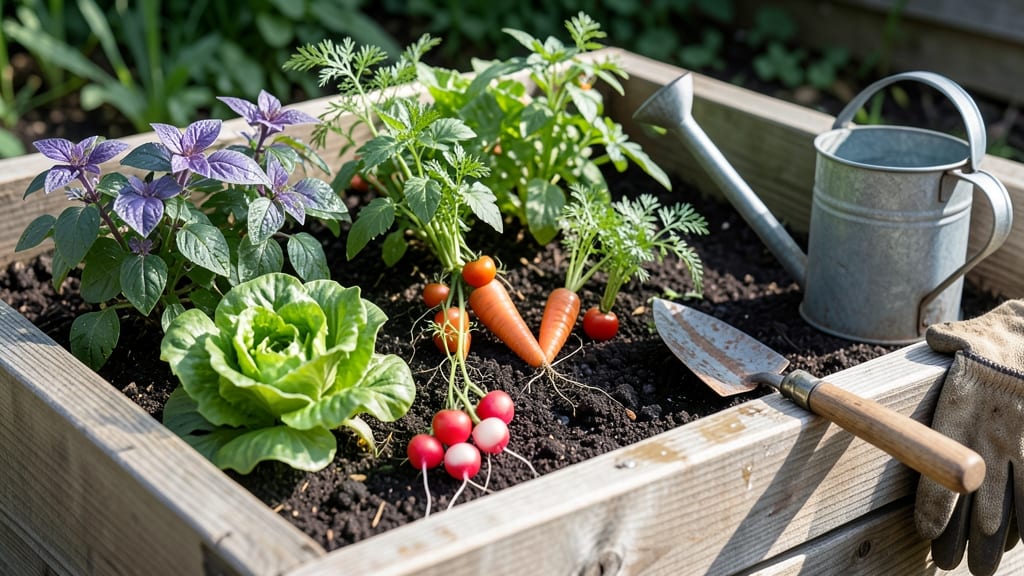
The benefits of raised garden beds include superior soil quality, erosion prevention, and better drainage, which together extend growing seasons—perfect for small yards, poor native soil, or accessibility needs. These elevated plots also minimize weeds and pests by keeping plants above ground-level threats.
Raised garden beds create a controlled environment where soil stays loose and well-aerated, letting roots grow deeper and absorb nutrients more efficiently. 🌱 The elevated design also warms up faster in spring, giving you an earlier start to planting, while the contained structure prevents soil compaction—something that plagues traditional in-ground gardens.
I've seen firsthand how this setup transforms rocky or clay-heavy areas into productive growing spaces, even in urban balconies or backyard corners.
Another major advantage is the natural weed suppression. Since the soil surface stays drier and more exposed to sunlight, fewer weeds take hold compared to ground-level plots.
Plus, the contained design makes it easier to customize soil mixes—you can blend in compost, sand, or organic matter exactly to your plants' needs without dealing with native soil limitations.
💡 In This Article
- How Raised Beds Enhance Soil Health and Plant Growth
- Best Practices for Building and Maintaining Raised Garden Beds
How raised beds enhance soil health and plant growth
Raised garden beds create a controlled environment where soil stays loose and well-aerated, thanks to their elevated design. The sides prevent foot traffic from compacting the soil, which can reduce root growth by up to 30% in traditional in-ground gardens.
This looser structure allows roots to spread deeper, accessing more nutrients and water—critical for plants like tomatoes, which can grow 20-30% larger in raised beds compared to ground plots due to improved root development. 🌱
The science behind this lies in the bed's structure: wood or metal borders contain soil that warms up 1-2 weeks earlier in spring than in-ground soil because it absorbs heat from sunlight more efficiently.
This temperature boost kickstarts plant growth sooner, extending the growing season by 2-4 weeks in cooler climates. For example, in Zone 5, you might start planting lettuce in early April in a raised bed, while in-ground gardens wait until late April or May.
Drainage is another game-changer. Raised beds naturally drain 2-3 times faster than ground-level soil because excess water flows out through the bottom rather than pooling.
This prevents root rot in moisture-sensitive plants like peppers or herbs, which can suffer if their roots sit in soggy soil for more than 24 hours. The controlled moisture also means less risk of fungal diseases like powdery mildew, which thrives in damp conditions.
Nutrient retention is another key advantage. Since you can customize the soil mix—often layering 6-12 inches of compost, topsoil, and organic matter—you eliminate the guesswork of amending poor native soil.
For instance, clay-heavy soil might need 20% sand and compost to improve drainage, while sandy soil benefits from 30% organic matter to hold moisture. This precision ensures plants get the exact nutrients they need without competition from weeds or pests.
Weed suppression works through simple physics: the exposed soil surface dries out faster, preventing weed seeds from germinating. Studies show raised beds can reduce weeds by 70-90% compared to in-ground gardens, saving you hours of weeding time.
The elevated design also keeps plants away from ground-dwelling pests like slugs and cutworms, which can devastate low-growing crops. 🔥
For root systems, the contained space encourages vertical growth. Carrots and beets, for example, develop straighter, sweeter roots when grown in deep raised beds (12+ inches deep) because they aren’t forced to branch out horizontally to escape compaction.
This control over root development leads to higher yields and better-quality produce, whether you're growing for flavor or harvest.