
Container Gardens
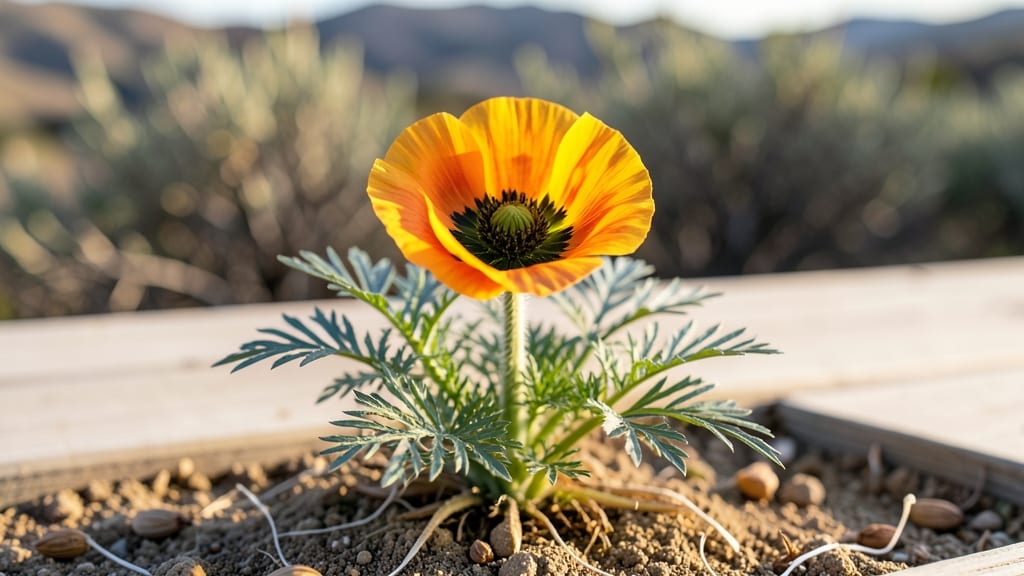
Exploring botanical gardens in Pasadena reveals a world of ecological wonders, from the Huntington Library’s dramatic desert landscapes to Descanso Garden’s native California ecosystems. These living collections feature vibrant seasonal displays, expertly curated exhibits, and peaceful walking paths designed to inspire both plant lovers and curious visitors.
Pasadena’s gardens aren’t just pretty—they’re carefully designed to mimic natural habitats, creating immersive experiences. 🌿 At the Huntington, you’ll wander through arid desert displays featuring cacti and succulents that thrive in extreme conditions, while Descanso Garden’s native California sections highlight drought-resistant plants perfect for local gardens.
Many visitors are surprised to learn these spaces also host educational workshops on sustainable gardening practices.
What makes these gardens special is their year-round appeal. Spring brings wildflower meadows, while fall showcases fiery foliage and holiday light displays. I always recommend visiting during weekdays to avoid crowds—plus, many gardens offer exclusive behind-the-scenes tours that reveal their conservation efforts.
The combination of beauty and education makes each visit feel like a mini adventure.
💡 In This Article
- Pasadena Botanical Gardens: Unique Plant Collections and Ecological Zones
- Best Times to Visit Pasadena Gardens for Seasonal Blooms and Events
Pasadena botanical gardens: unique plant collections and ecological zones
Pasadena's botanical gardens create microclimates that showcase how plants adapt to extreme conditions. At the Huntington Library's desert garden, you'll find over 5,000 species thriving in a 100°F+ environment—including the towering Saguaro cactus (Carnegiea gigantea) that can grow up to 50 feet tall.
The garden's 12-acre desert display uses drip irrigation systems that deliver water precisely to roots while minimizing evaporation, mimicking natural desert water cycles. 🌵 This isn't just decoration; it's an active conservation effort preserving species from the Sonoran Desert.
The Mediterranean climate section at Descanso Garden demonstrates how plants from regions like Greece and Turkey flourish in Pasadena's 60-70°F winters. You'll see olive trees (Olea europaea) with silvery leaves that reflect sunlight, reducing water loss—a perfect adaptation to hot, dry summers.
What's fascinating is how these gardens use topography to create microclimates: higher elevations get cooler temperatures, while lower areas maintain warmer conditions, allowing diverse species to coexist in one space.
What sets these gardens apart is their focus on native California ecosystems. Descanso's 10-acre native plant collection features species like the California poppy (Eschscholzia californica), which produces 2,000-3,000 seeds per plant—a key adaptation for survival in wildfire-prone environments.
The gardens use mulching techniques with local gravel and wood chips to conserve moisture, exactly how native plants would grow in their natural habitats. This practical approach makes them invaluable resources for local gardeners looking to create sustainable landscapes.
Each garden employs different soil compositions to support their plant collections. The Huntington's desert section uses a sandy-loam mix with added perlite to improve drainage, while Descanso's native plants thrive in well-draining clay soils similar to those found in the Santa Monica Mountains.
The contrast between these soil types demonstrates how plant selection and soil preparation work together to create thriving ecosystems. Visitors often ask how they can replicate these conditions at home—many gardens offer soil testing services and workshops on proper soil amendments.
Beyond the plants themselves, these gardens serve as living laboratories for studying plant interactions. At the Huntington, you'll see pollinator pathways where native bees and butterflies thrive alongside introduced species, creating a dynamic ecosystem.
The gardens track which plants attract the most pollinators during different seasons, providing valuable data for conservation efforts. This scientific approach transforms what might seem like a simple garden walk into an educational experience about biodiversity and ecological balance. 🌿
The design of these walking paths isn't random—each route follows ecological principles. At Descanso, trails wind through native plant communities in a way that mimics natural migration patterns, allowing visitors to observe how different species coexist.
The Huntington's desert paths are designed to minimize disturbance to delicate cacti, with wide gravel paths that allow air circulation around plants. These thoughtful designs ensure that while you enjoy the beauty, the gardens maintain their ecological integrity for future generations.
What most visitors don't realize is how these gardens contribute to climate change research. Both locations participate in the Plant Conservation Alliance, tracking how different species respond to changing temperatures and precipitation patterns.
The data collected helps scientists understand which native plants are most resilient in drought conditions—a crucial factor as California faces more frequent dry spells. This scientific dimension adds another layer of appreciation for what might initially appear to be simply beautiful landscapes.