
Landscaping
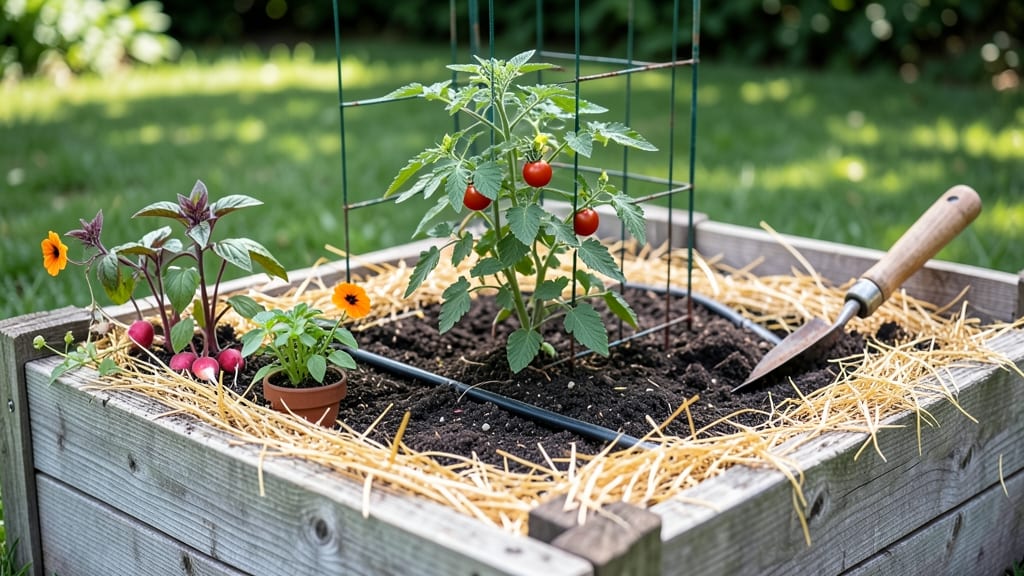
Small backyard vegetable garden design ideas focus on vertical trellises, square-foot grids, and container gardening to create efficient layouts that maximize yield in tight spaces. These methods let you grow productive crops like leafy greens, pole beans, and compact tomato varieties while keeping maintenance simple.
When space is limited, the key is working with what you have—whether that's a narrow strip along a fence or a sunny patio corner. 🌱 Vertical gardening turns walls and trellises into growing surfaces, perfect for vining plants that would otherwise sprawl.
Square-foot grids let you plant multiple varieties in just a few square feet by following precise spacing charts, while containers bring flexibility to balconies or driveways. I've found that combining these techniques often doubles my harvest without requiring extra yard space.
For beginners, starting with a simple raised bed (4'x8') or a few large containers (12"-18" deep) is the easiest way to test what grows best in your climate.
The real magic happens when you pair plants that help each other—like basil near tomatoes or carrots next to onions—while rotating crops yearly to prevent soil depletion. This approach keeps your garden productive year after year, even in the smallest backyards.
💡 In This Article
- Vertical and Square-Foot Gardening Techniques for Small Spaces
- Top Space-Saving Vegetable Garden Layouts for Beginners
Vertical and square-foot gardening techniques for small spaces
Vertical gardening transforms wasted vertical space into productive growing areas by training plants to climb rather than sprawl. The science behind this technique revolves around plant morphology—vining plants like cucumbers, pole beans, and peas naturally grow upward along supports, reducing their ground footprint by up to 80%.
A 6-foot trellis can support 10-12 feet of plant growth, effectively giving you the yield of a much larger garden in the same square footage. The key is using sturdy materials like metal or wooden frames that can handle 5-10 pounds of mature plant weight per trellis.
Square-foot gardening takes space optimization further by dividing garden beds into a 1-foot-by-1-foot grid, with each square dedicated to a specific plant variety based on its mature size.
This method relies on precise spacing charts—like planting 16 lettuce plants per square foot (since they mature at 6 inches diameter) versus just 1 tomato plant (which needs 1 square foot total).
The grid system also prevents overcrowding, which reduces competition for nutrients and water, leading to 20-30% higher yields compared to traditional row planting in small spaces. 🌿
For vertical structures, consider using oblique trellises (angled supports) for cucumbers to prevent disease spread from touching leaves to the ground, or A-frame designs for beans that provide better wind resistance.
Wall-mounted planters with built-in irrigation systems can turn blank walls into lush herb gardens, while hanging baskets (with 12-inch diameter) are perfect for compact varieties like cherry tomatoes or strawberries. The materials matter too—cedar resists rot, while powder-coated metal trellises won't rust in damp climates.
Square-foot grids work best with soil blocks or potting mix that drains well, preventing root rot in the dense planting arrangement. I've found that adding 1 cup of compost per square foot at planting time provides enough nutrients for the season, while mulching with straw keeps moisture levels consistent.
The real advantage comes when you combine these methods—like placing a vertical trellis in one corner of a 4x4-foot raised bed, freeing up space for root crops below. This layered approach maximizes every inch of your garden's real estate.
When selecting plants for vertical growth, prioritize those with strong tendrils or fast growth habits. Cucumbers can climb 20 feet in a season, while pole beans reach 6-8 feet and produce more pods than bush varieties.
For square-foot grids, focus on fast-maturing crops like radishes (30 days to harvest) or bush beans (50 days) to allow multiple plantings in the same space.
The texture difference between a sprawling zucchini plant and its vertical cousin is dramatic—one takes up 3 square feet, while the other fits neatly in a 1-square-foot space.
One common mistake is underestimating the weight of mature plants. A single tomato plant can produce 10-20 pounds of fruit, so trellises need to be anchored securely—especially in windy areas. For square-foot gardens, rotating crops annually prevents soil depletion and breaks pest cycles.
I recommend keeping a simple planting journal to track what thrives in each square, adjusting next year's layout based on real performance data.
The sensory payoff is immediate: walking past a vertical herb garden releases the fresh aroma of basil and thyme as you pass, while square-foot beds make harvesting a breeze with every plant easily accessible. 🌱