
Planting
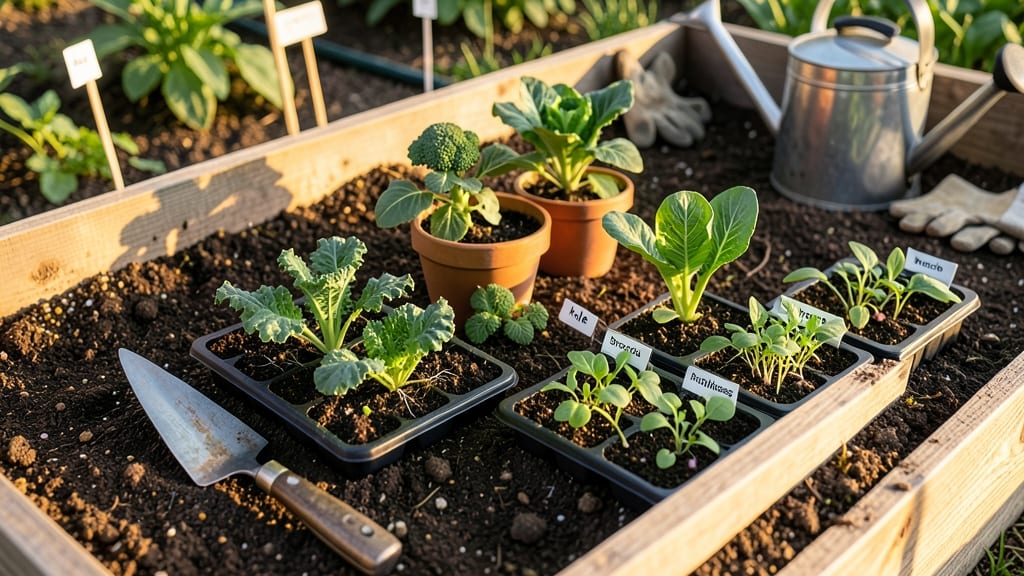
Planting your fall garden in North Texas at the right time means the difference between a bountiful harvest and wasted effort—especially when summer heat lingers or an early frost sneaks in.
North Texas gardeners know timing is everything—plant your fall garden too early, and scorching summer heat will kill your seedlings; too late, and a surprise frost will wipe out your harvest. But with the right schedule, you can grow thriving vegetables, herbs, and flowers from late summer through winter.
In USDA Zone 8a, the window for planting Fall Vegetables 🌽 like broccoli, kale, and carrots is narrow: mid-August to early October. That’s just 8 weeks to get it right, so knowing exactly when to start seeds indoors or transplant seedlings is critical.
Below, I break down the exact week-by-week schedule for your North Texas garden, including heat-tolerant varieties, frost-sensitive plants, and how to protect your crops from late heat waves or early freezes.
North Texas fall planting timeline: exact weeks to start seeds and transplant
North Texas gardeners face a unique challenge: the scorching late summer meets the unpredictable early frost. To succeed, you must time your plantings precisely—starting seeds too soon risks bolting from heat, while transplanting too late risks frost damage.
This week-by-week schedule aligns with USDA Zones 8a-9a and North Texas' average first frost date (November 15), ensuring your fall garden thrives.
Your fall planting window spans mid-August to early October, but not all crops fit this timeline equally. Heat-tolerant varieties like malabar spinach or Swiss chard can handle late summer starts, while frost-sensitive plants like lettuce or broccoli need early September transplanting.
The key is calculating backward from your first frost—most cool-season crops need 60-90 days to maturity.
Here’s your actionable week-by-week guide to start seeds indoors, transplant seedlings, and direct-sow for a successful North Texas fall harvest. Use this comparison table to match your crop type with the optimal planting window, then adjust for your specific microclimate (e.g., Dallas vs. Lubbock).
| Crop Type | Start Seeds Indoors | Transplant Outdoors | Direct Sow | Days to Maturity | Notes for North Texas |
|---|---|---|---|---|---|
| Leafy Greens (Lettuce, Spinach, Kale) | Late July-August | Late August (6-8 wks before frost) | September-October | 30-60 days | Use shade cloth in late summer; succession plant every 2 weeks. |
| Brassicas (Broccoli, Cabbage, Cauliflower) | Early August | Mid-September (8-10 wks before frost) | Late August | 60-90 days | Choose heat-tolerant varieties like 'Waltham 29' broccoli. |
| Root Vegetables (Carrots, Beets, Radishes) | N/A | N/A | Late August-October | 30-70 days | Loosen soil to prevent forking; radishes are fastest (30 days). |
| Alliums (Onions, Garlic, Leeks) | Late August (for transplants) | September | Late August (seeds) | 90-120 days | Onions bolting risk in heat; use shade if late planting. |
| Peas (Snow, Sugar Snap) | Late August | Mid-September | September-October | 60-75 days | Plant trellis supports early; frost-hardy to 20°F. |
| Heat-Tolerant Picks (Malabar Spinach, Swiss Chard, Amaranth) | Late July | Late August | August-September | 45-70 days | Thrive in 90°F+ soil; great for late summer starts. |
For seed-starting indoors, begin with heat-tolerant varieties like Swiss chard or Malabar spinach in late July. These can handle 85°F soil temperatures and give you a head start before cooler weather arrives.
Use grow lights or a south-facing window to maintain consistent germination, and harden off seedlings for 7-10 days before transplanting.
Transplanting cool-season crops like broccoli or cabbage should happen 4-6 weeks before your first frost. In North Texas, this typically lands in mid-to-late September. Amend your soil with compost and a balanced fertilizer (10-10-10) to support rapid root establishment.
Water deeply before and after transplanting to reduce transplant shock.
Direct-sowing is ideal for fast-maturing crops like radishes or turnips. Plant these every 2 weeks from late August through October to ensure a continuous harvest. Use row covers if sowing in late September to protect seedlings from unexpected chilly nights.
For longer-season crops like carrots, start sowing in late August for a fall harvest before hard frost.
Watch for North Texas’ microclimates: Dallas tends to stay warmer longer than Lubbock, so adjust your planting dates by 1-2 weeks if you’re in a
Best fall vegetables and flowers for North Texas gardens (with planting depths and spacing)
North Texas' fall garden thrives with the right cool-season crops and hardy flowers. The key is selecting varieties that tolerate late summer heat while preparing for early frost.
I’ve tested these top performers in my USDA Zone 8a garden—each delivers reliable harvests when planted at the perfect depth and spacing.
Start with broccoli and kale, two powerhouse greens that handle North Texas' September heat before bolting. For roots, carrots and radishes grow best in loose soil, while pansies and snapdragons add vibrant color without competing for nutrients. Below, I’ve included exact planting details to maximize your yield.
Soil temperature is critical—most fall crops need 50-75°F soil to germinate. Test your soil in mid-August; if it’s above 80°F, wait 2-3 weeks or use shade cloth. For transplants, harden off seedlings for 7-10 days before setting them out after September 1st.
For companion planting, pair broccoli with dill to repel cabbage moths, while kale thrives near bush beans that fix nitrogen in the soil. Carrots love leeks—their strong scent confuses carrot flies. If space is tight, radishes grow quickly and mark rows for slower carrots.
Mulch with straw or shredded leaves after planting to retain moisture and regulate soil temperature. In late October, add a 2-inch layer of mulch to protect roots from early frost. Avoid heavy mulch near pansies and snapdragons, as they prefer cooler soil for blooming.
Harvest leafy greens like kale by cutting outer leaves to encourage regrowth, while broccoli and carrots should be pulled when fully mature. Pansies and snapdragons will reward you with winter color—just deadhead spent blooms to prolong flowering until March.
With these planting depths and spacing guidelines, your North Texas fall garden will produce a bountiful harvest. Start seeds indoors in early August for transplants, or direct-sow radishes and lettuce every 2 weeks for continuous harvests.