
Planting
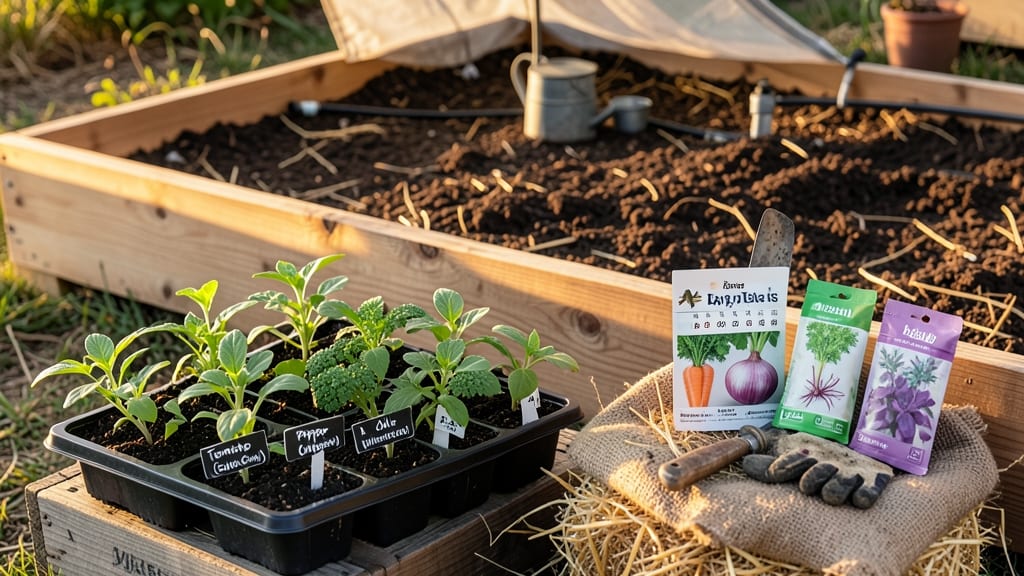
Planting a garden in Central Texas means timing is everything—miss the window, and your 🌱 General Garden Plants could face frost or scorching heat before they even take root.
Central Texas gardeners know the drill: plant too early, and a late frost wipes out your seedlings. Plant too late, and the summer sun roasts your veggies before they mature.
With USDA Zone 8b’s unpredictable swings, getting it right can mean the difference between a bountiful harvest and a sad pile of withered leaves.
This guide breaks down the exact months to plant for maximum yields, whether you’re sowing cool-season crops in fall or heat-loving tomatoes in spring. We’ll cover soil prep, microclimate tweaks, and how to adjust for Austin’s urban heat islands or the Hill Country’s cooler nights.
Ready to grow? Here’s your step-by-step timeline—no more guesswork, just thriving plants and a garden that delivers all season long.
Central Texas planting calendar by season: exact months for maximum yields
Central Texas gardeners face a unique challenge: scorching summers and mild winters create a narrow window for planting. Unlike northern climates, we can grow year-round with careful timing—spring and fall are your power seasons.
The key is understanding when to plant heat-loving crops (like tomatoes and peppers) versus cool-season greens (such as kale and lettuce). Austin, Waco, and San Antonio all share similar zones but differ slightly in frost dates and soil warming.
For Austin and San Antonio (USDA Zone 8b), the last frost typically occurs around February 15, while Waco’s Hill Country can see frost as late as March 1. This delay means Hill Country gardeners should wait longer to plant warm-season crops.
Meanwhile, fall planting starts as early as September to avoid first frost (usually December 1 in Austin and November 15 in Waco).
Here’s the breakdown you need to maximize your harvest yields:
In spring, start warm-season crops like tomatoes and peppers indoors by February 1 to transplant after soil warms (use a soil thermometer—aim for 65°F+). For cool-season crops, direct-sow leafy greens as soon as the ground thaws (around mid-February in urban areas, later in Hill Country).
Summer planting is all about heat tolerance. After June 15, focus on okra, sweet potatoes, and southern peas, which thrive in 90°F+ temperatures. Mulch heavily with straw or wood chips to lock in moisture and keep roots cool.
Avoid planting tomatoes or peppers after July 1—they’ll bolt or produce poorly in peak heat.
Fall is your second chance for a bountiful harvest. Begin cool-season crops
How to adjust planting times for Central Texas heat waves and droughts
Central Texas gardeners face unique challenges with 100-degree heat and prolonged droughts, which can derail even the most carefully planned planting schedule. Unlike traditional zones, our USDA Zone 8b climate demands flexibility—sometimes planting 4-6 weeks earlier or delaying by 2-3 weeks can save your crops from wilting before harvest.
The key is understanding how to extend growing seasons and protect vulnerable plants during extreme weather.
One of the most effective strategies is adjusting planting windows based on soil temperature rather than calendar dates. For example, tomatoes and peppers should only go into the ground when soil temps reach 60°F+, which in Central Texas often means waiting until mid-April instead of late March.
This small shift can prevent blossom drop and fruit scarring, common issues in our heat.
Another game-changer is mulching. A 3-4 inch layer of mulch—whether straw, wood chips, or newspaper—can reduce soil temperature by 10-15°F and retain up to 30% more moisture.
For heat-sensitive crops like cucumbers or zucchini, I swear by black plastic mulch, which warms the soil faster and suppresses weeds. Just remember to leave gaps around stems to prevent rot.
For drought-resistant varieties, prioritize native or adapted plants like 'Black Seeded Simpson' lettuce, 'Arkansas Traveler' tomatoes, or 'Cherokee Purple' beans. These varieties thrive with less water and higher heat tolerance than their conventional counterparts.
Pair them with drip irrigation or soaker hoses to deliver water directly to roots, minimizing evaporation.
Don’t overlook shade cloth as a lifesaver during 100°F+ heat waves. A 30-50% shade cloth can reduce leaf temperatures by 15-20°F, protecting young plants from sun scorch.
I’ve used it successfully with basil, spinach, and even tomato seedlings during our brutal July heat. Just remove it gradually to harden off plants over 7-10 days.
Finally, extend your fall season by planting cool-season crops like kale or radishes in early September instead of August. These plants can handle mild frosts and often produce sweeter harvests when grown in cooler weather. Pair them with row covers for extra protection if early frosts threaten.