
Planting
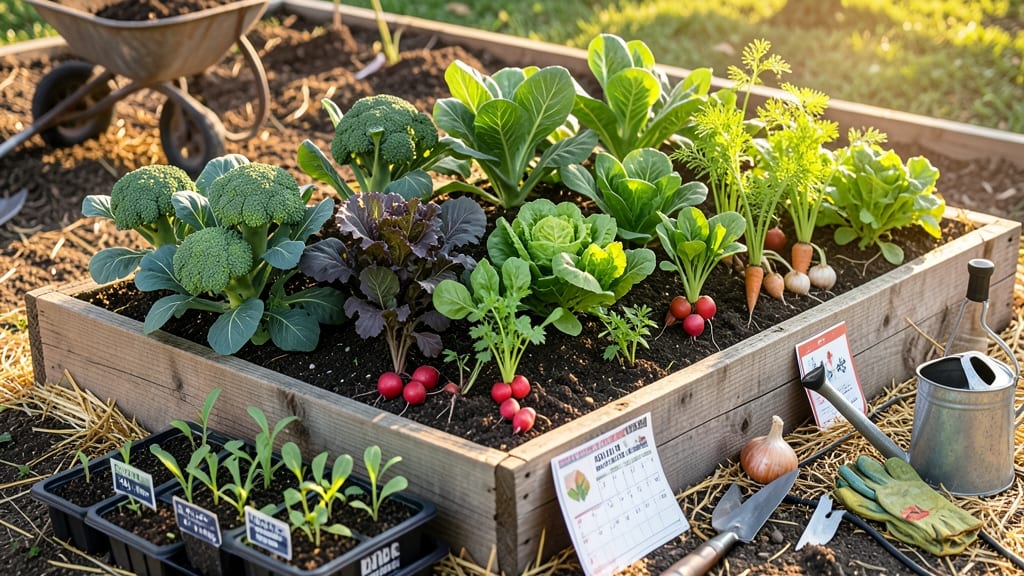
Planting a fall garden in Texas requires knowing the exact timing to beat the heat and avoid early frosts — a window that starts as early as July in North Texas and stretches into September in the Rio Grande Valley.
Texas gardeners know summer’s brutal heat can turn soil into a desert—but with the right timing and heat-tolerant plants, a thriving fall garden is absolutely possible. The key is starting before the first 100-degree days fade, when soil stays warm enough for quick germination but nights begin to cool.
This guide breaks down zone-specific deadlines (North vs. South Texas), the best heat-resistant crops like Malabar spinach and black-eyed peas, and how to prep soil for a second harvest before winter sets in.
You’ll learn the 3-step soil prep that cuts down on watering, the one mistake that kills 80% of fall gardens, and how to stretch your harvest into December with shade cloth and mulch.
Texas fall planting calendar: exact dates by zone (North vs. south)
Texas gardeners face a unique challenge: the state's diverse climate zones create wildly different planting windows. North Texas (Zones 7b-8a) has earlier frosts than South Texas (Zones 8b-9a), meaning your last planting deadlines could vary by 6 weeks.
Understanding these differences ensures you plant heat-tolerant crops at the perfect time for maximum harvests before winter sets in.
For North Texas, where first frosts typically arrive between November 15-30, your last planting window for cool-season crops closes around October 15. In contrast, South Texas gardeners enjoy milder winters, with frost risks delayed until December 15-25, giving you until November 1 to plant.
These dates are critical for leafy greens, broccoli, and carrots to mature before cold snaps.
Microclimates further complicate timing. For example, Hill Country regions like Bandera (Zone 8a) may experience frost 2 weeks earlier than Austin (Zone 8b), while coastal areas like Corpus Christi (Zone 9a) can push planting deadlines back by 3-4 weeks. Always check your local frost dates and adjust accordingly.
Here’s your zone-specific planting calendar, including exact dates for direct sowing and transplanting of popular fall crops. Use this as your garden roadmap to avoid missed opportunities or frost-damaged plants.
| Zone | Crop Type | Direct Sow | Transplant | Last Harvest |
|---|---|---|---|---|
| North Texas (7b-8a) | Leafy Greens (Spinach, Lettuce) | Aug 15 - Sep 15 | Sep 1 - Oct 1 | Nov 15 |
| North Texas (7b-8a) | Broccoli, Cabbage | Aug 1 - Sep 10 | Aug 15 - Sep 15 | Nov 20 |
| South Texas (8b-9a) | Leafy Greens | Sep 1 - Oct 15 | Sep 15 - Oct 30 | Dec 15 |
| South Texas (8b-9a) | Carrots, Radishes | Aug 20 - Oct 1 | Sep 1 - Nov 1 | Jan 15 |
| Both Zones | Heat-Tolerant Varieties (Okra, Malabar Spinach) | May 1 - Aug 31 | Jun 1 - Sep 15 | Nov 15 (North) / Dec 31 (South) |