
Planting
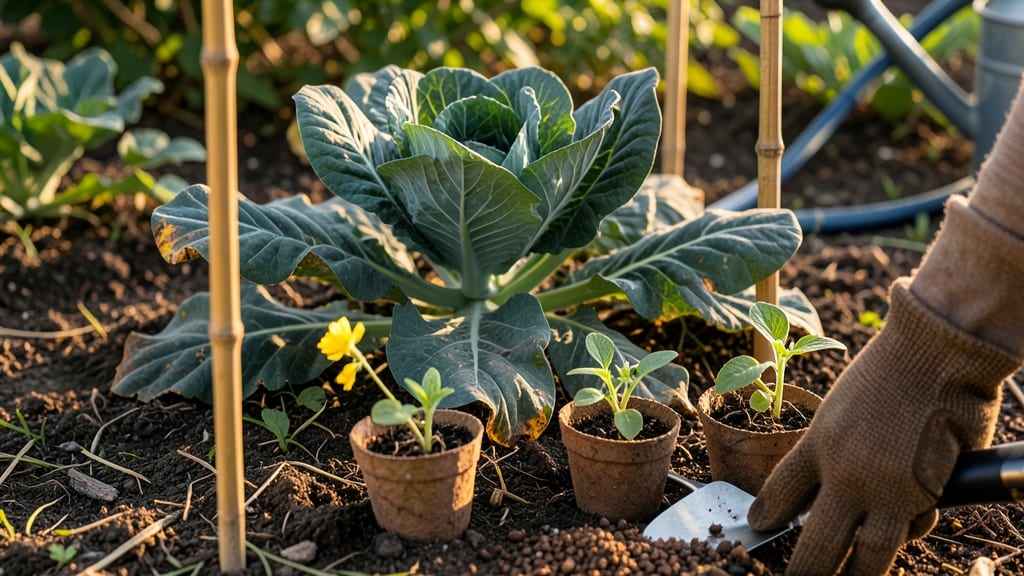
Planting a fall garden in Texas means beating the heat and frost—your timing must hit a narrow window between mid-August and early October to avoid summer scorching or early freezes.
Texas gardeners know timing is everything—plant too early, and your fall crops wilt in the summer heat; too late, and frost ruins your harvest. But with the right schedule, you can grow thriving vegetables even in the Lone Star State’s brutal summers.
Whether you're in North Texas, where first frosts arrive by late October, or South Texas, where the window stretches into November, the key is selecting heat-tolerant crops like okra, sweet potatoes, and collard greens that thrive before temperatures drop.
Below, I’ll break down the exact planting dates by region, the best crops for your area, and pro tips to extend your harvest—so you can enjoy a bountiful fall garden without the guesswork.
Texas fall planting calendar: key dates by region and first frost
Timing your Texas fall garden correctly means beating the heat while avoiding frost damage. The Lone Star State’s first frost dates range from September 15 in North Texas to October 30 along the Gulf Coast, creating a 6-week window for cool-season crops.
Your region’s microclimate—whether you’re in the Hill Country’s rocky soil or the Gulf Coast’s humidity—will dictate your exact schedule.
Start by checking your USDA Hardiness Zone (6a–9b) and adjust planting dates accordingly. In North Texas (Zones 7a–8a), heat lingers longer, so focus on heat-tolerant varieties like collard greens and black-eyed peas. Meanwhile, South Texas (Zones 8b–9b) gardeners can push the season later thanks to milder winters.
Here’s your region-specific planting guide to maximize yield before frost. Use the table below as your roadmap, then dive into crop-specific timing in the next section.
For North Texas gardeners, prioritize heat-tolerant varieties like ‘Georgia Southern’ collards or ‘Purple Hull’ peas, which handle 90°F+ soil better than traditional cool-season crops. Start seeds 6–8 weeks before your first frost—so if frost hits October 1, begin in early August.
In Central Texas, where first frost arrives mid-October, focus on fast-maturing crops like radishes (25 days) or bush beans (50 days). Succession plant every 2 weeks to stagger harvests and avoid glut. My go-to method is marking seed packets with planting dates to track progress.
South Texas gardeners enjoy the longest growing window, but humidity and late-season heat can stress plants. Choose disease-resistant varieties like ‘Florida Broadleaf’ spinach and avoid overhead watering after 4 PM to prevent fungal issues. Test soil moisture weekly—Texas clay holds water longer than you think.
Regardless of your region, soil temperature is your best guide. Use a soil thermometer to confirm 60°F+ before planting heat-loving crops. In the Hill Country, rocky soil warms faster, so plant 1–2 weeks earlier than the calendar suggests.
Along the Gulf Coast, where soil stays warmer, delay until September 15 to avoid bolting.
Pro tip: Mulch heavily (2–3 inches of straw) to insulate roots and conserve moisture. In North Texas, I’ve seen 30% higher yields in mulched beds during fall’s erratic rains. Pair
Best heat-tolerant fall vegetables for Texas gardens (and when to start them)
Texas summers are long and brutal, but that doesn’t mean your fall garden has to suffer. The key is choosing heat-tolerant vegetables that thrive in the residual summer heat while preparing for cooler temperatures. These crops can handle 90°F+ soil temps and still produce bountiful harvests before the first frost.
My top recommendations include okra, sweet potatoes, collard greens, and black-eyed peas, all of which are staples in Texas gardens for a reason.
Timing is everything in Texas gardening. Plant too early, and your seedlings will bolt or wilt in the heat. Too late, and frost will nip your harvest before it matures.
The secret is starting seeds or transplants 6-8 weeks before your average first frost date, which varies from mid-September in North Texas to late October in South Texas. Below, I’ve outlined the best crops and their ideal planting windows to maximize your fall harvest.
For North Texas gardeners, focus on starting seeds in late July to give crops enough time to mature